
Climate finance shouldn't stop where government control ends
Fifteen of the twenty-five states most vulnerable to climate change, and the least ready to adapt to it, are conflict-affected.
What does adaptation look like there?
Adaptation is already happening
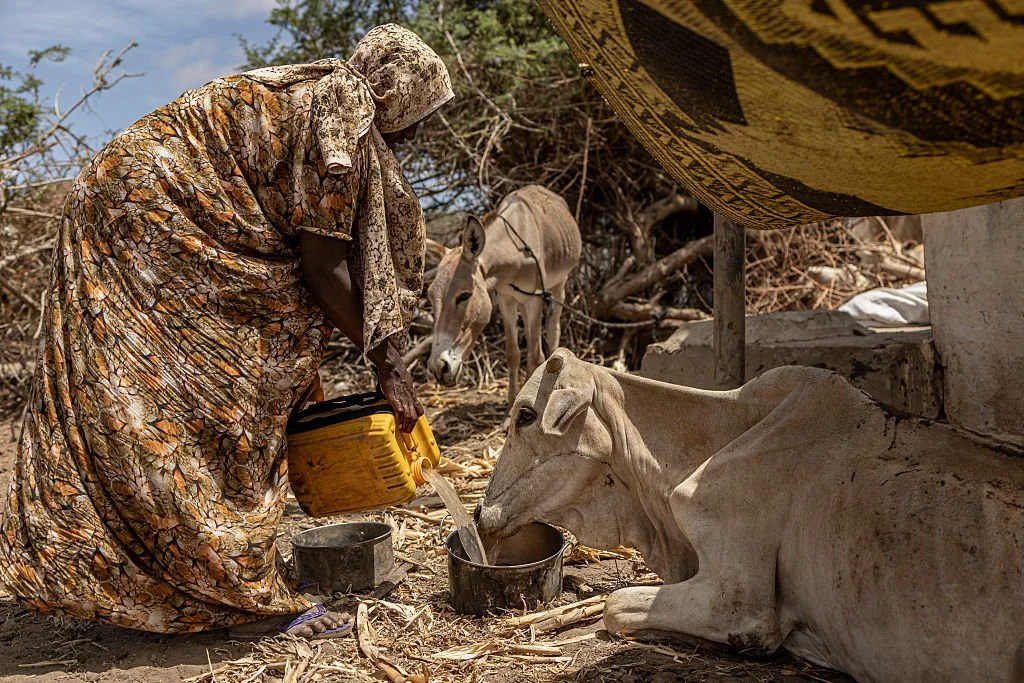
Communities in conflict-affected areas have always had to respond to climate risk without much help. They shift grazing routes, change what they plant, pool resources and move when staying is no longer viable.
Armed actors and de facto authorities are also responding, albeit for different reasons. Rules are being written and enforced where no state reaches.
The starting point is understanding what is already happening, who it serves, and how it could work better for the people living there.
No two contexts are alike
What adaptation looks like in these areas, and what support is feasible, depends on the specific armed actors involved, the governance arrangements they have established, and the conflict dynamics around them.
Even within a single country, access varies.
Somalia
Our research in Somalia examines how climate adaptation can reach vulnerable communities in areas controlled or influenced by Al-Shabaab. It explores how the group governs water, land and other natural resources, showing how measures that protect the environment can also reinforce coercion and undermine people’s ability to cope with climate shocks. The research identifies practical options for supporting adaptation despite these constraints, through trusted local organisations, community-led approaches and flexible programming, while addressing the legal and security risks involved.
Yemen
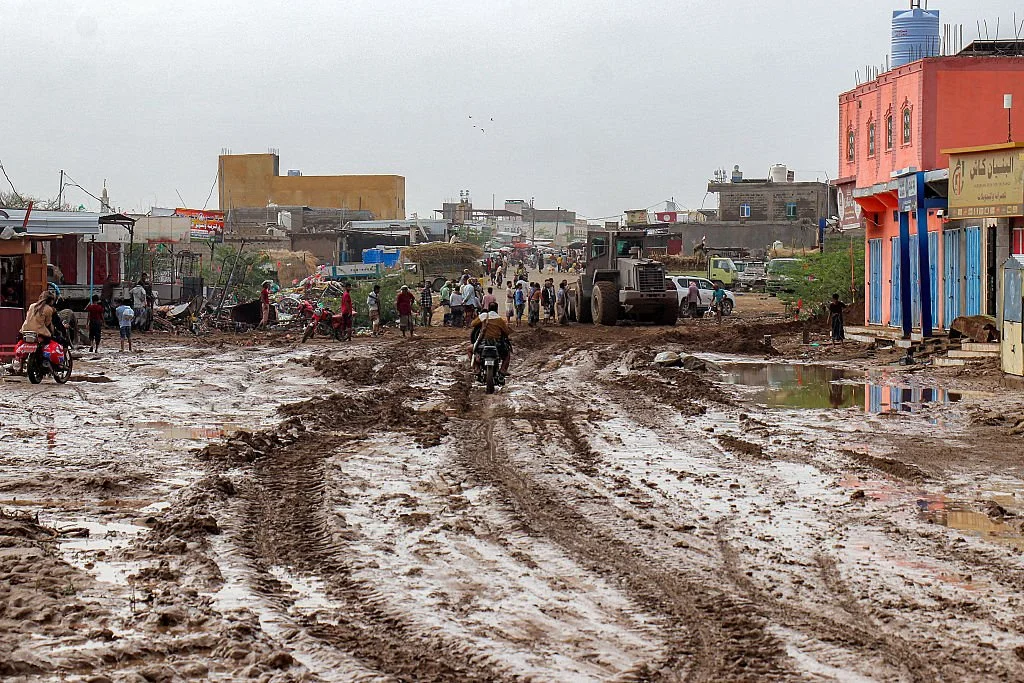
Our research in Yemen explores how armed groups shape climate adaptation in Marib and Taiz. It examines their roles in regulating water use, restricting construction in flood-prone areas and responding to disasters, alongside risks of favouritism, resource capture and dependence on armed actors. Focusing on areas governed by groups aligned with the internationally recognised government, the research identifies opportunities to support adaptation through local civil society and engagement with relevant authorities, while keeping communities and civilian institutions central to decision-making and programming.
What this means for climate actors, humanitarians and donor
Research
Mapping who governs adaptation in a given area, and what is feasible there.
Dialogue
Facilitating conversations between adaptation actors and the armed groups and de facto authorities who control access.
Advice
Advising funders and agencies on what support can reach people in these areas, and how to design it.