Middle East
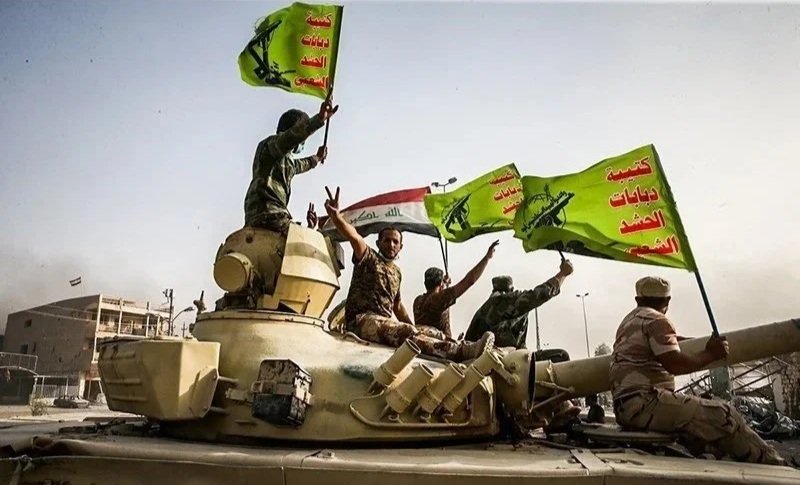
Dr Inna Rudolf outlines the contestations surrounding debates on the PMF’s integration with Iraq’s formal state apparatus, including factional differences, ideological roots, and transnational alliances.

Yemen’s war is also fought through roads. This paper shows how checkpoints along the Abyan–Aden–Lahej–al-Dhale’a–Dhamar corridor have become tools for extracting money, sorting people and goods, and enforcing rival claims to authority. It contrasts fragmented checkpoint rule in government/STC areas with the more centralised Houthi system, while showing that both make movement costly and politically controlled.

This discussion paper examines how the international order that once contained armed conflict is fracturing across multiple, simultaneous dimensions. Drawing on cases spanning Sudan, Myanmar, Yemen, the Sahel, and Ukraine, the paper argues that these compounding failures have given armed groups and de facto authorities far greater freedom and resources than most analysts anticipated.
The paper identifies four cross-cutting dynamics reshaping this landscape: the breakdown of the classic patron-proxy model into fragmented, multi-patron brokerage networks; the growing economic and infrastructural power of armed groups, who now govern revenue streams, trade routes, and services independent of external backers; the retreat of international norm enforcement in favour of local, informal bargaining; and the weaponisation of misinformation to derail negotiations and access agreements. On this basis, the paper calls for a fundamental shift in how donors and practitioners approach engagement.
This research report explores the perceptions, motives, and practices of non-state armed groups and de facto authorities regarding children’s access to essential services across four case-studies: Mali, Myanmar, the Occupied Palestinian Territory and Yemen.

The war in Gaza has had deep implications for power dynamics in the Middle East. Iran’s regional power has been particularly impacted with an altering of the so-called ‘Axis of Resistance’, its network of allies across the region—including in Palestine, Lebanon, Iraq, Syria, and Yemen. This has had a considerable impact on Iran’s military capabilities in the current confrontation with Israel. To shed light on these developments, and what they mean for Iran and the balance of power in the region, we spoke with Centre on Armed Groups Fellow, Dr Fatima Moussaoui, a Middle East expert and lecturer at Sciences Po Paris, who explores these dynamics in her recent book, Iran’s Military Power Projection and the Empowerment of Ansar Allah.
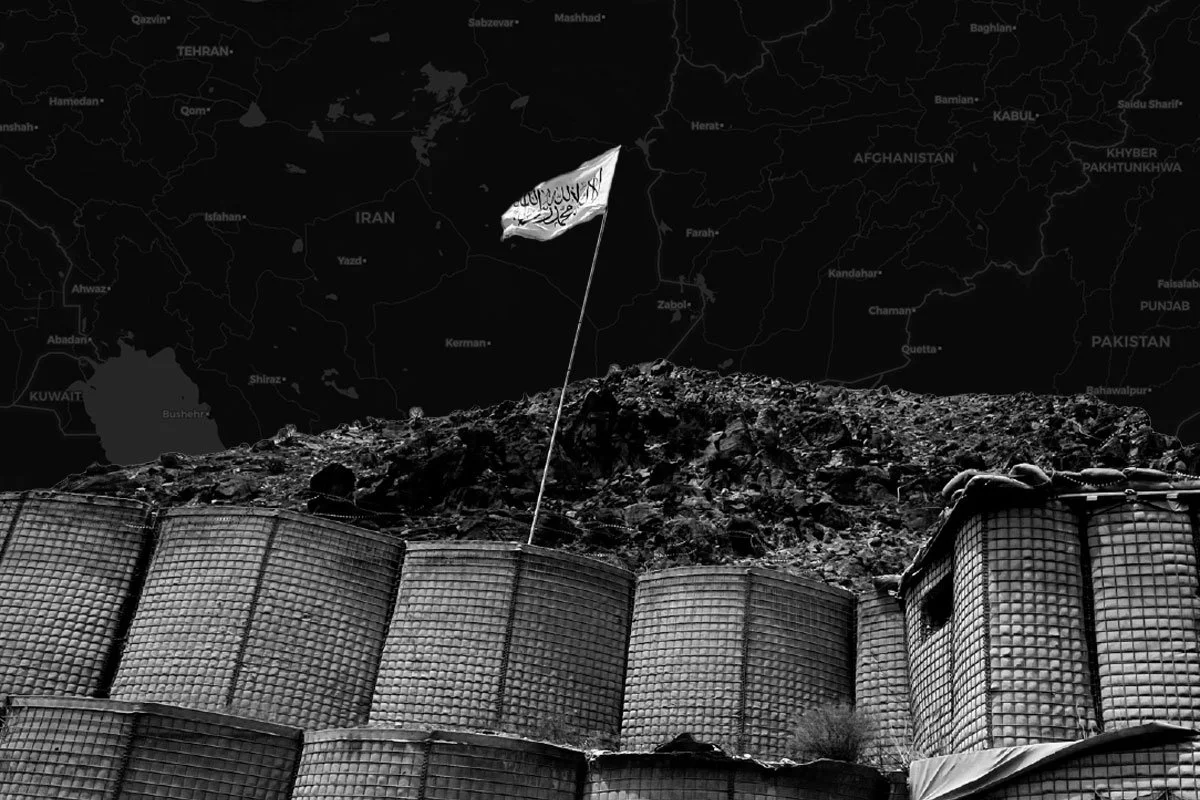
This findings report explores why and how armed groups engage with cultural heritage, offering new tools and insights for cultural protection in conflict zones.

This Syria case study explores how engaging de facto authorities on cultural heritage protection can support peacebuilding and reconciliation. It examines HTS’s evolving approach to heritage and offers practical engagement strategies.
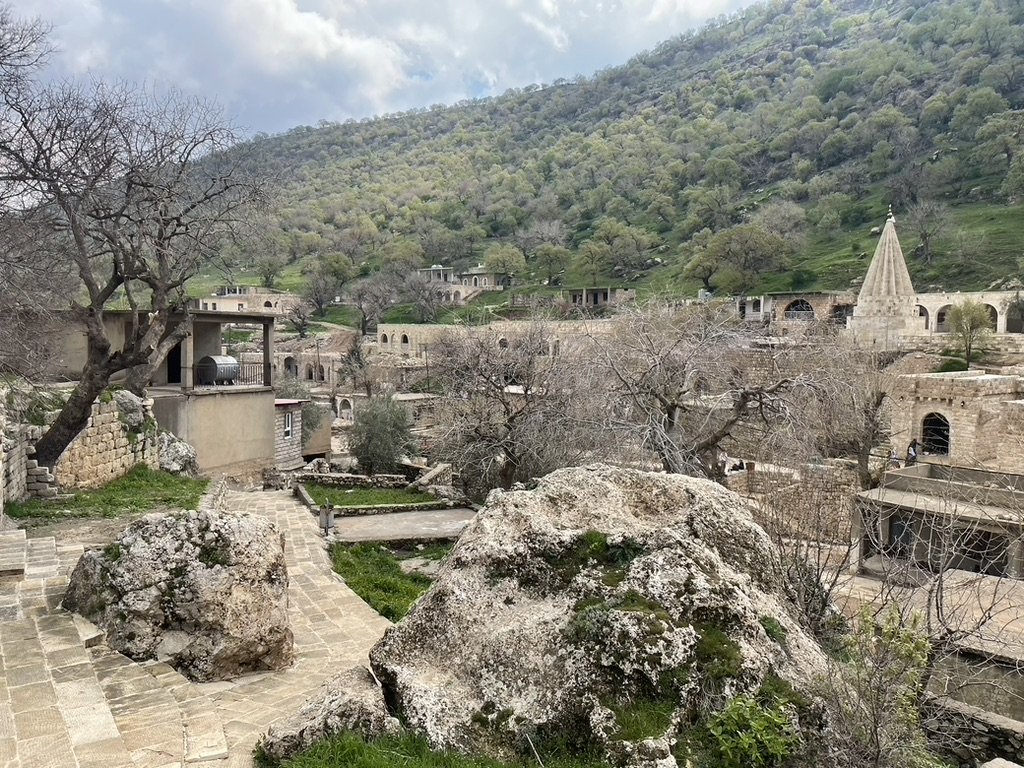
This briefing presents strategies for engaging armed groups on cultural heritage protection, focusing on risk management, community engagement, and practical tools for culturally sensitive programming in conflict zones.
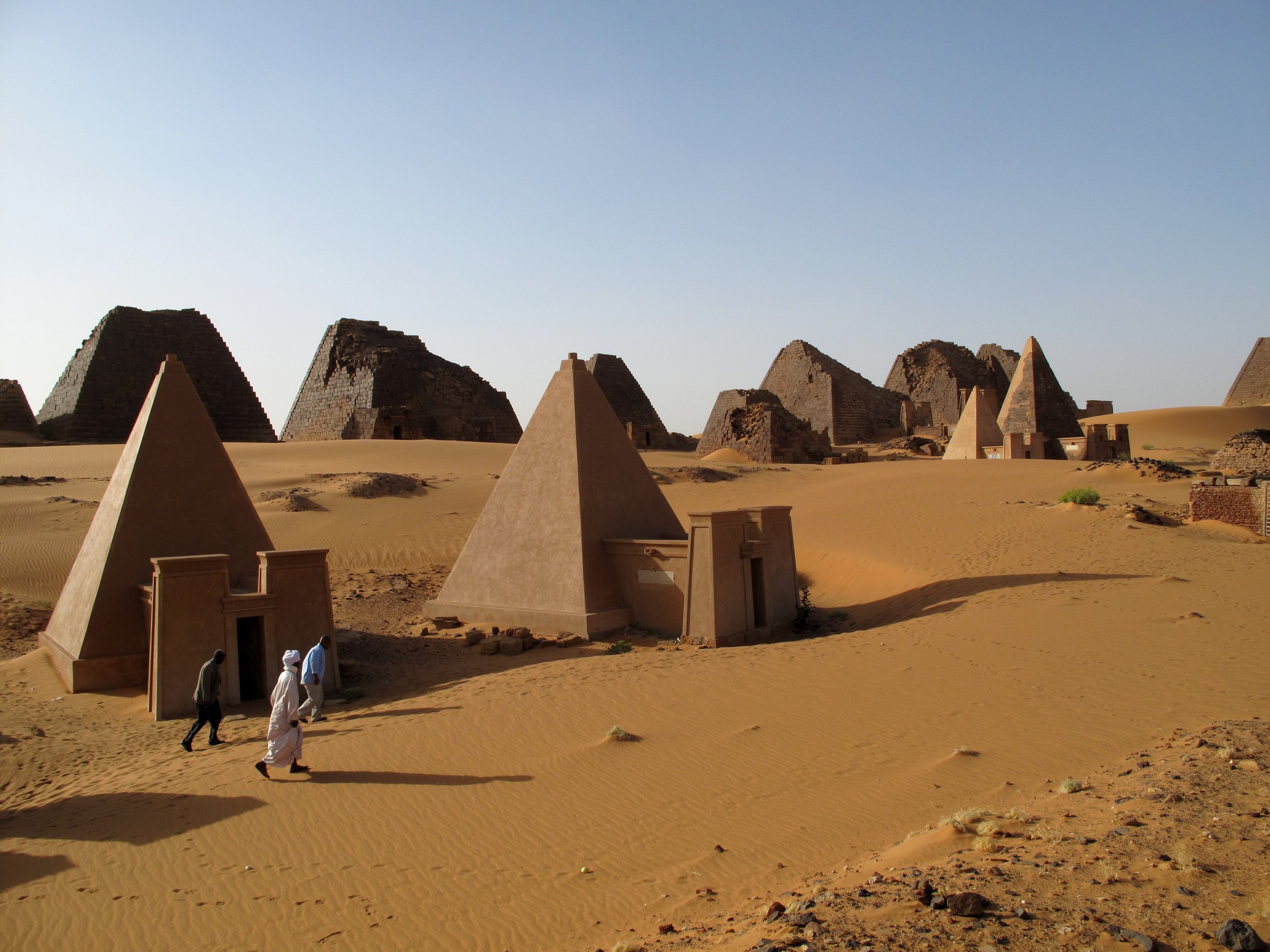
This briefing note explores why armed groups protect or destroy cultural heritage, highlighting ideological, political, and contextual factors that shape their behaviour. It offers insights to inform targeted engagement strategies in conflict zones.

This briefing outlines barriers and solutions to building capacity for engaging armed groups and de facto authorities in protecting cultural heritage. It calls for better tools, partnerships, and recognition of heritage protection as a core humanitarian concern.

This briefing explores how cultural heritage can open dialogue with armed groups and de facto authorities in conflict zones, drawing on case studies from Afghanistan, Mali, Myanmar, Sudan, and Syria. It highlights cultural heritage as a potential tool for peacebuilding and recommends strategies to bridge cultural and political engagement.

This Working Paper looks at how smugglers navigate state and insurgent checkpoints in the Kurdish region of Iran. Through bribes that secure negotiated passages or using modified cars that enable evasion and circumventions, Kurdish smugglers co-produce contingent informal orders that vary significantly across these spatial nodes of power along illegal trade routes.

This rapid analysis look at the impact of the the Israel-Hamas war on the behaviour of armed groups, and constraints on engaging with them.

Western states have frequently worked with non-state armed groups to confront security threats, as part of global counter-terrorism operations or as de facto security providers in stabilisation contexts. But this often presents substantial risks or drawbacks. This joint paper, published with GPPi, considers how the US tried to mitigate these risks while working with militias and substate forces in Afghanistan, Syria and Iraq.