
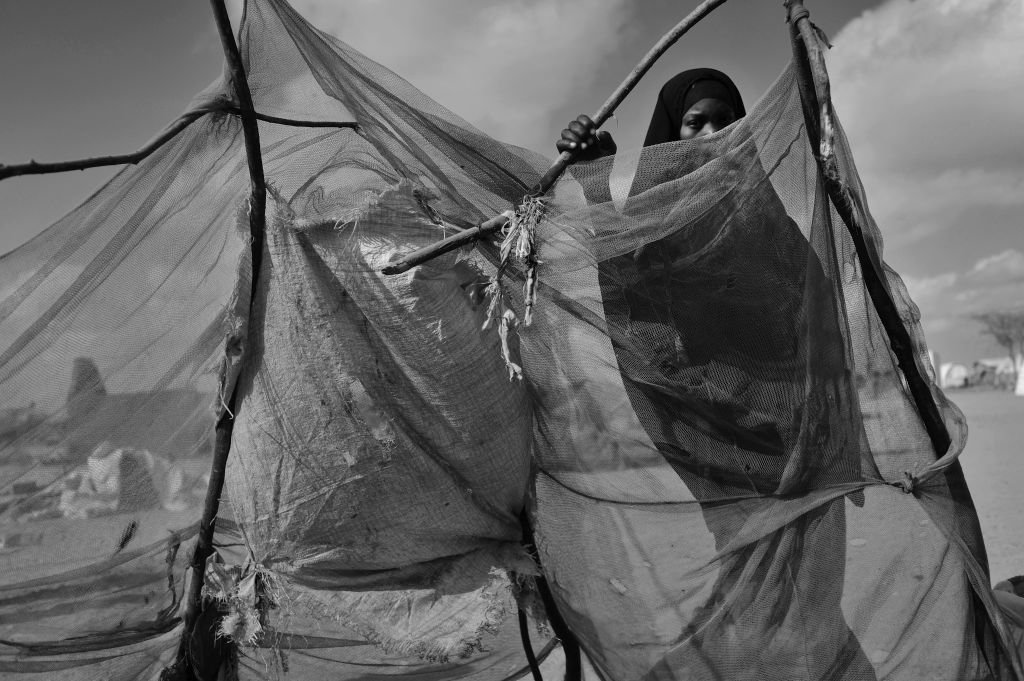
Empty wind
Al-Shabaab has spent a decade building a coherent public case against humanitarian aid. This narrative is grounded in Islamic theology, sharpened by genuine grievances about corruption and exclusion, and extended into a story of foreign domination stretching back centuries. Drawing on a database of over 50,000 Al-Shabaab media sources produced between 2016 and 2026, this report reconstructs that narrative on its own terms: not to endorse it, but to understand it well enough to engage with the populations living under it.
Children’s access to essential services
This research report explores the perceptions, motives, and practices of non-state armed groups and de facto authorities regarding children’s access to essential services across four case-studies: Mali, Myanmar, the Occupied Palestinian Territory and Yemen.
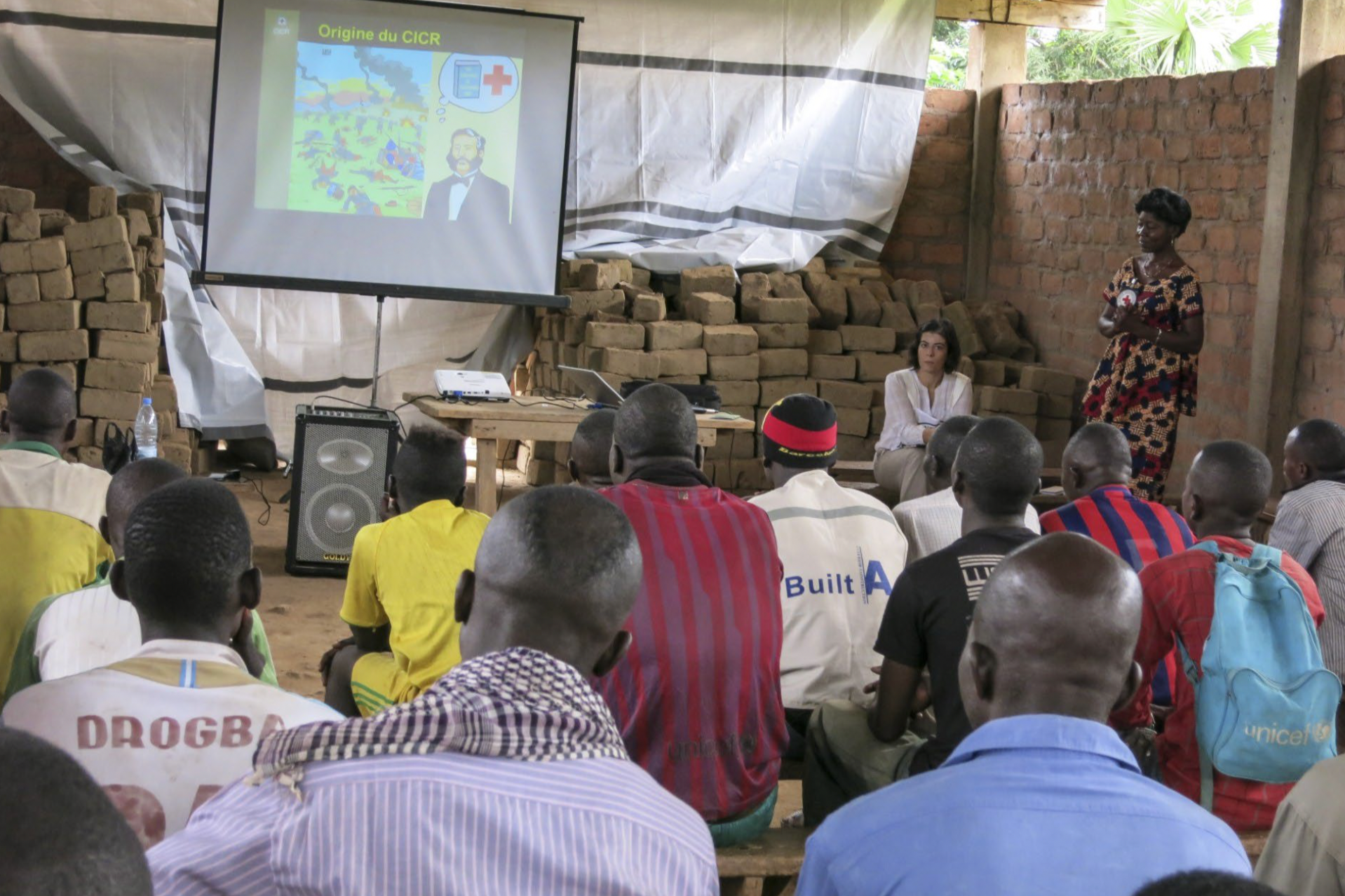
Linking humanitarian diplomacy and peace
This research report explores evidence from humanitarian and peace process support in southern Thailand and the Central African Republic, and explores whether and how humanitarian diplomacy with armed groups can advance peace without undermining humanitarian principles.
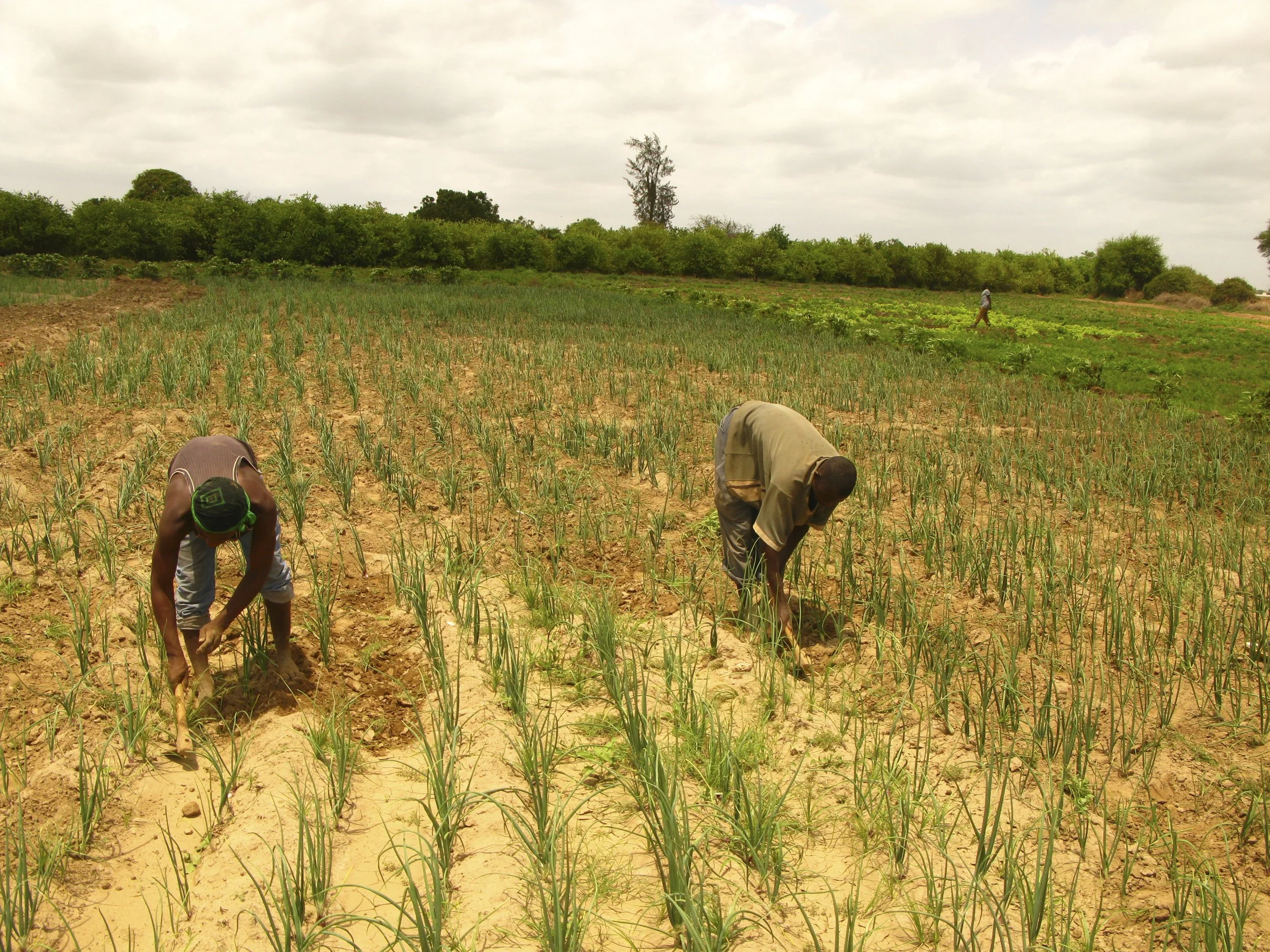
Al-Shabaab, Food Insecurity, Humanitarian Access and Protection of Civilians in Somalia
With 6.5 million Somalis facing acute food insecurity and Al-Shabaab controlling or contesting large parts of south-central Somalia, the gap between humanitarian need and humanitarian response has never been more consequential. This paper examines why the formal aid system has largely failed to reach populations in Al-Shabaab areas, and argues that the primary driver is not the group's behaviour but the system's own operational choices.
Drawing on interviews with humanitarian actors, donors and individuals close to Al-Shabaab, the paper traces how counter-terrorism frameworks, risk-averse funding models and alignment with the Somali government have entrenched an assumption that access is impossible — one the evidence does not support. It sets out a practical path forward: restoring perceived neutrality, resourcing access as a core function, and building the strategic humanitarian diplomacy needed to support the frontline engagement that is already, quietly, happening.
The Future of Humanitarian Access
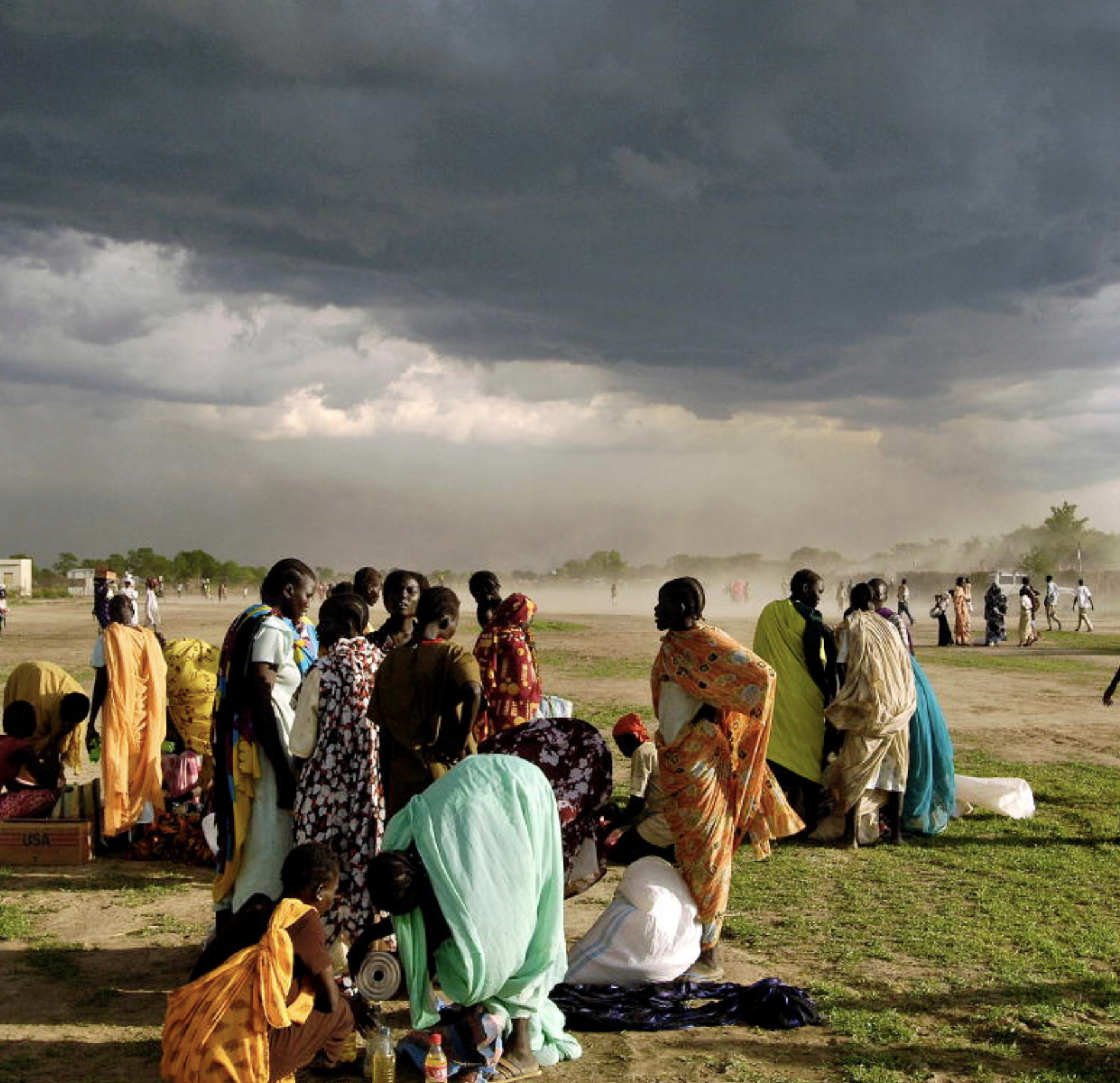
This discussion paper examines the collapse of key humanitarian access capacities in 2025 and outlines the shifts needed to sustain principled operations in increasingly fragmented and politicised conflict environments. It argues for a rebalanced, locally led and internationally enabled approach to access, and offers practical recommendations for donors, UN actors, and frontline organisations.

Islands in the storm: civilian survival deals with the warring parties in Sudan
This paper examines how Sudanese civilians, facing widespread violence from the ongoing conflict between the Sudanese Armed Forces (SAF) and Rapid Support Forces (RSF), have been compelled to negotiate survival strategies with warring factions. This report highlights the shift in Sudan’s power struggle, which has devolved from a national conflict into highly localized battles, particularly in Darfur. In response, local community leaders and power brokers have facilitated fragile truces to provide temporary protections, allow for trade, and secure safe passage for civilians.
Time for change: the normalization of corruption and diversion in the humanitarian sector
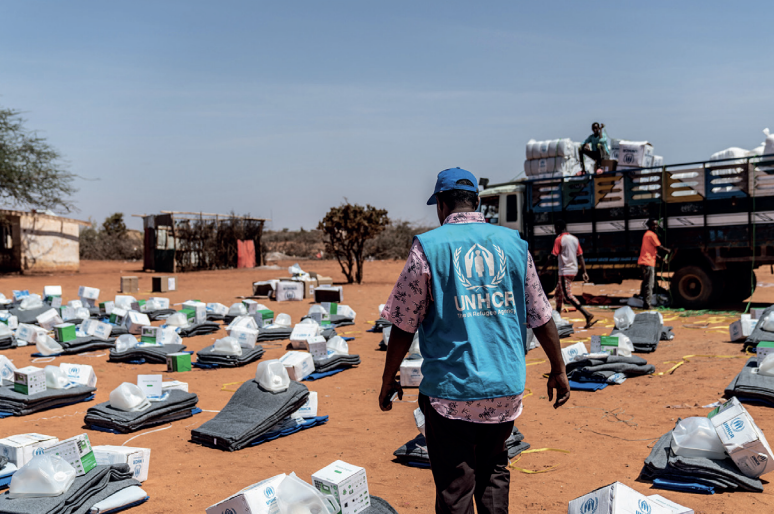
Although the aid sector often treats corruption and diversion as an anomaly, they are pervasive, systemic and often unwittingly perpetuated by standard aid sector practices. Drawing primarily on evidence from Somalia and Afghanistan (with reference to other contexts), this paper explores the specific aid practices that enable and perpetuate corruption and diversion, and what donors and implementers should be doing differently.

“Never say never:” learning lessons from Afghanistan reviews
This “review of reviews” looks at how and what Western governments and international organisations have tried to learn from the intervention in Afghanistan.

Resist, negotiate, submit? Civilian agency and jihadism in Central Mali
This paper examines life under jihadist groups like JNIM in Mali, looking at the different survival strategies civilians employ.

Playing the long game: exploring the relationship between Al-Shabab and civilians in areas beyond state control
Based on extensive research in Al-Shabab controlled areas of Somalia, this paper explores dynamics between Al-Shabab and those who live under their control.