

2026 Summer Reading List — Centre recommendations
Centre on Armed Groups: 2026 Summer Reading List. We asked our team and experts what they've been reading, watching, and listening to. This year's list ranges from ancient Greek mercenaries to Arctic geopolitics.
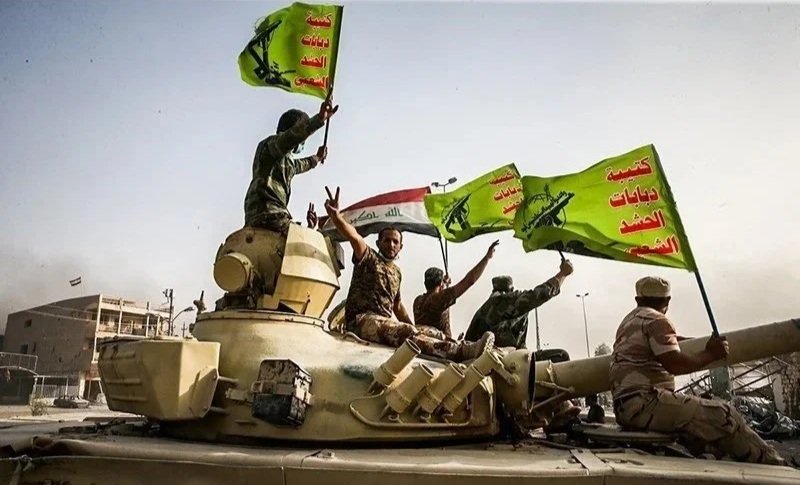
Iraq's PMF integration paradox: competing visions for a future within the Iraqi state
Dr Inna Rudolf outlines the contestations surrounding debates on the PMF’s integration with Iraq’s formal state apparatus, including factional differences, ideological roots, and transnational alliances.

Checkpoint Fragments and Hierarchies: Competing regimes of circulation in wartime Yemen, 2015-2026
Yemen’s war is also fought through roads. This paper shows how checkpoints along the Abyan–Aden–Lahej–al-Dhale’a–Dhamar corridor have become tools for extracting money, sorting people and goods, and enforcing rival claims to authority. It contrasts fragmented checkpoint rule in government/STC areas with the more centralised Houthi system, while showing that both make movement costly and politically controlled.

A Fracturing Order
This discussion paper examines how the international order that once contained armed conflict is fracturing across multiple, simultaneous dimensions. Drawing on cases spanning Sudan, Myanmar, Yemen, the Sahel, and Ukraine, the paper argues that these compounding failures have given armed groups and de facto authorities far greater freedom and resources than most analysts anticipated.
The paper identifies four cross-cutting dynamics reshaping this landscape: the breakdown of the classic patron-proxy model into fragmented, multi-patron brokerage networks; the growing economic and infrastructural power of armed groups, who now govern revenue streams, trade routes, and services independent of external backers; the retreat of international norm enforcement in favour of local, informal bargaining; and the weaponisation of misinformation to derail negotiations and access agreements. On this basis, the paper calls for a fundamental shift in how donors and practitioners approach engagement.

Governing routes across the contested Sahara: Checkpoints and the political economy of trans-Saharan trade around Kufrah
What kind of authority is built at a desert checkpoint? This paper examines how control over movement around Kufrah, in southeastern Libya near the borders with Sudan and Chad, turns checkpoints into institutions of rule, where armed actors tax passage, define legitimate trade, exclude rivals, and shape the logistics of regional war.
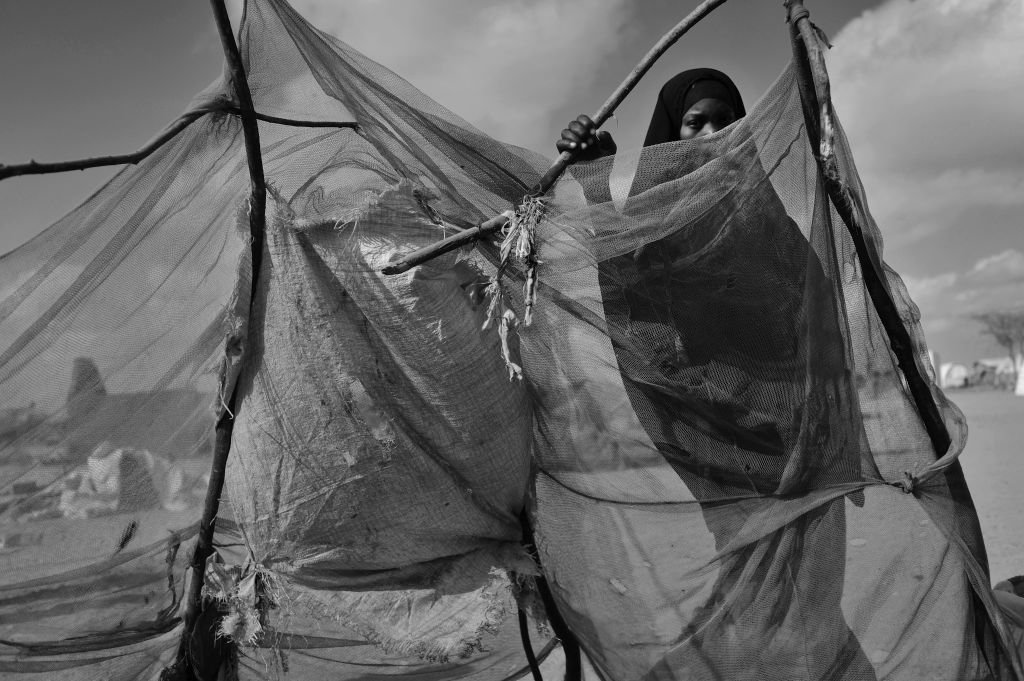
Empty wind
Al-Shabaab has spent a decade building a coherent public case against humanitarian aid. This narrative is grounded in Islamic theology, sharpened by genuine grievances about corruption and exclusion, and extended into a story of foreign domination stretching back centuries. Drawing on a database of over 50,000 Al-Shabaab media sources produced between 2016 and 2026, this report reconstructs that narrative on its own terms: not to endorse it, but to understand it well enough to engage with the populations living under it.

Checkpoints, conflict and scam logistics: Mobile control and the politics of circulation in the China-Myanmar-Thailand borderlands
How do checkpoints shape online scam economies? This paper examines how control over border crossings, roadblocks, and gateways sustains scam centres in Myanmar’s borderlands and shapes the uneven effects of anti-scam enforcement.
Children’s access to essential services
This research report explores the perceptions, motives, and practices of non-state armed groups and de facto authorities regarding children’s access to essential services across four case-studies: Mali, Myanmar, the Occupied Palestinian Territory and Yemen.
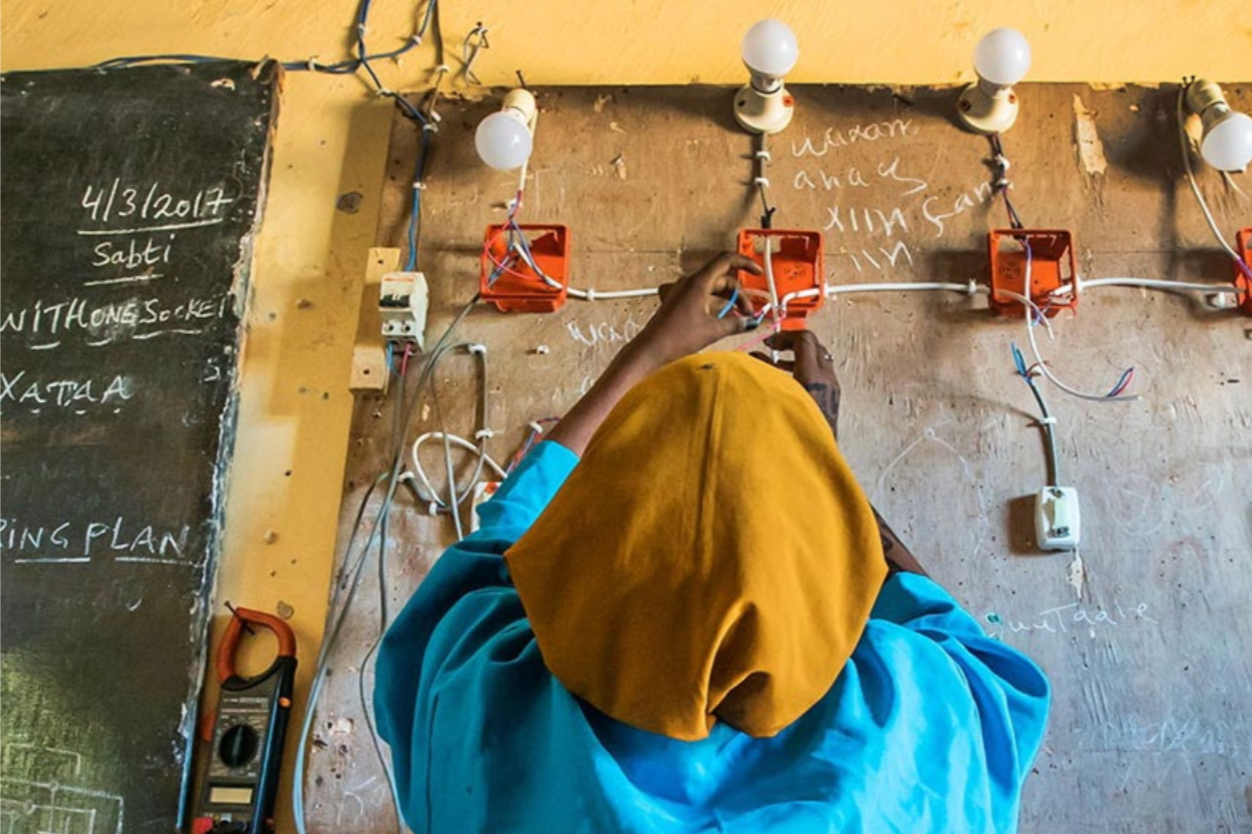
Social infrastructures of Protection in Somalia
Somali civilians have developed ways of reducing harm that formal institutions rarely see and cannot easily replicate. This paper examines those protective systems through a study of interventions led by a Somali peacebuilding organisation.

Checkpoints, transport, networks and armed conflict
Why are some checkpoints more violent than others? This paper examines how control over key transport routes shapes violence in conflict zones and affects civilian populations.