
Africa
This research report explores the perceptions, motives, and practices of non-state armed groups and de facto authorities regarding children’s access to essential services across four case-studies: Mali, Myanmar, the Occupied Palestinian Territory and Yemen.
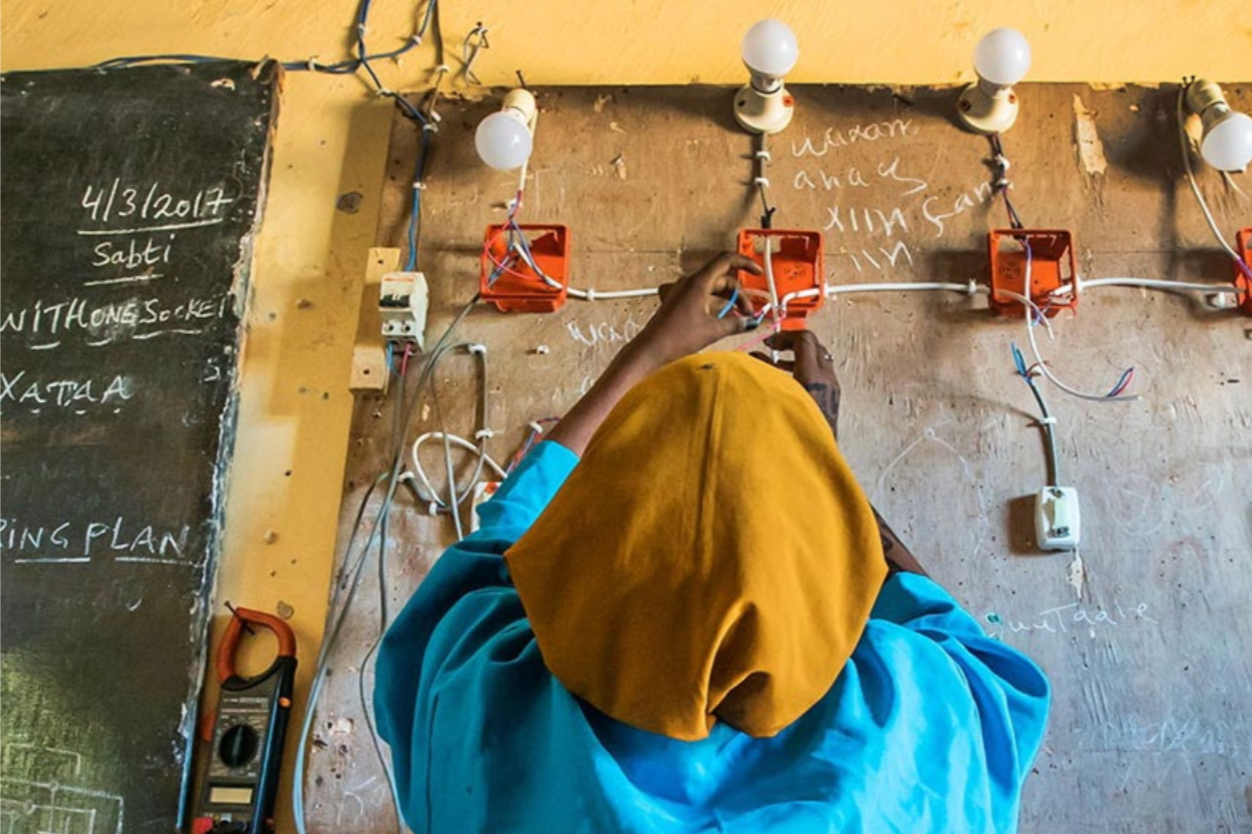
Somali civilians have developed ways of reducing harm that formal institutions rarely see and cannot easily replicate. This paper examines those protective systems through a study of interventions led by a Somali peacebuilding organisation.
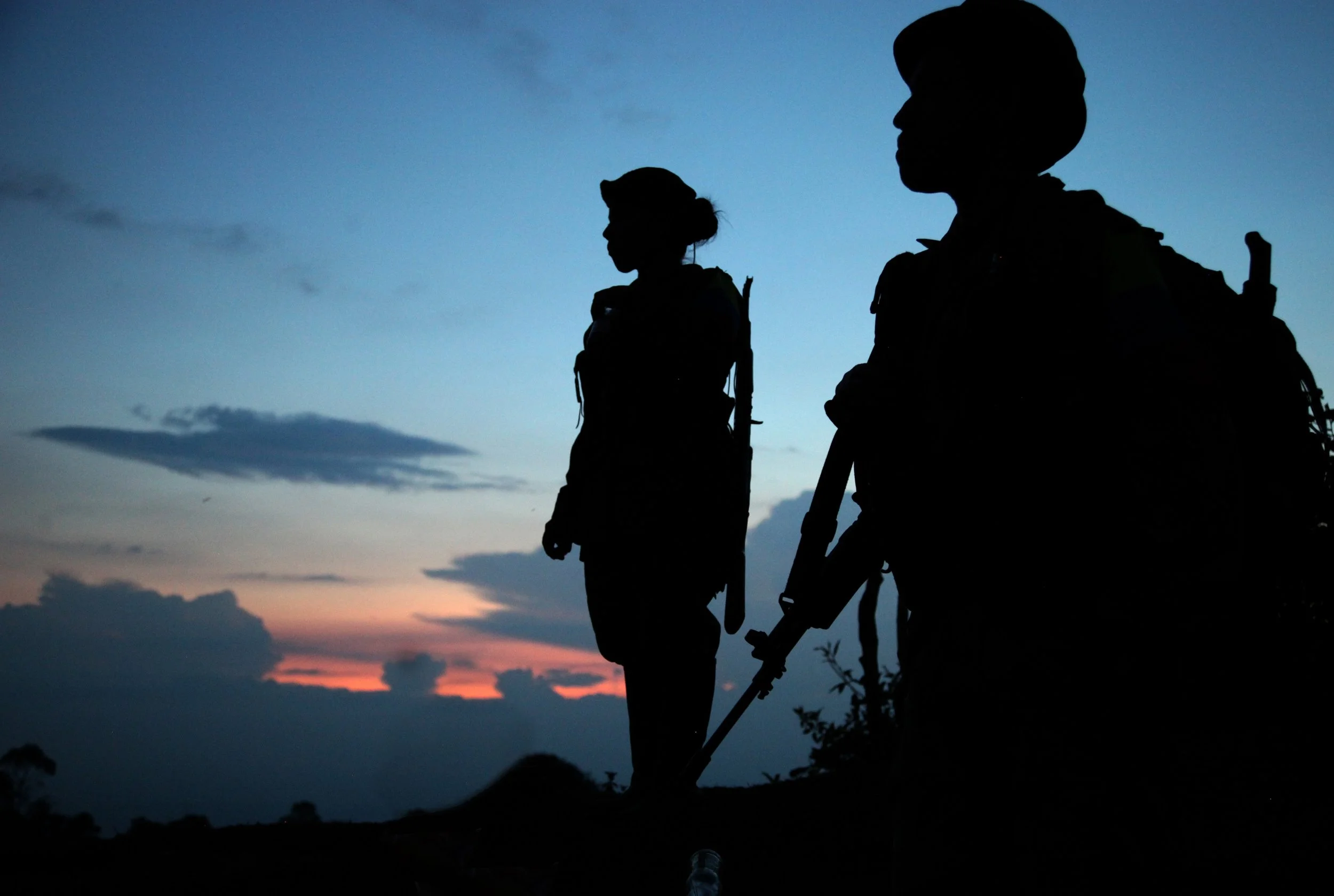
Hilary Matfess on why armed groups so often abandon wartime promises to women after peace, what Rwanda's RPF and Syria's HTS reveal about postwar gender politics, and what policymakers should do differently as patriarchal backlash intensifies.
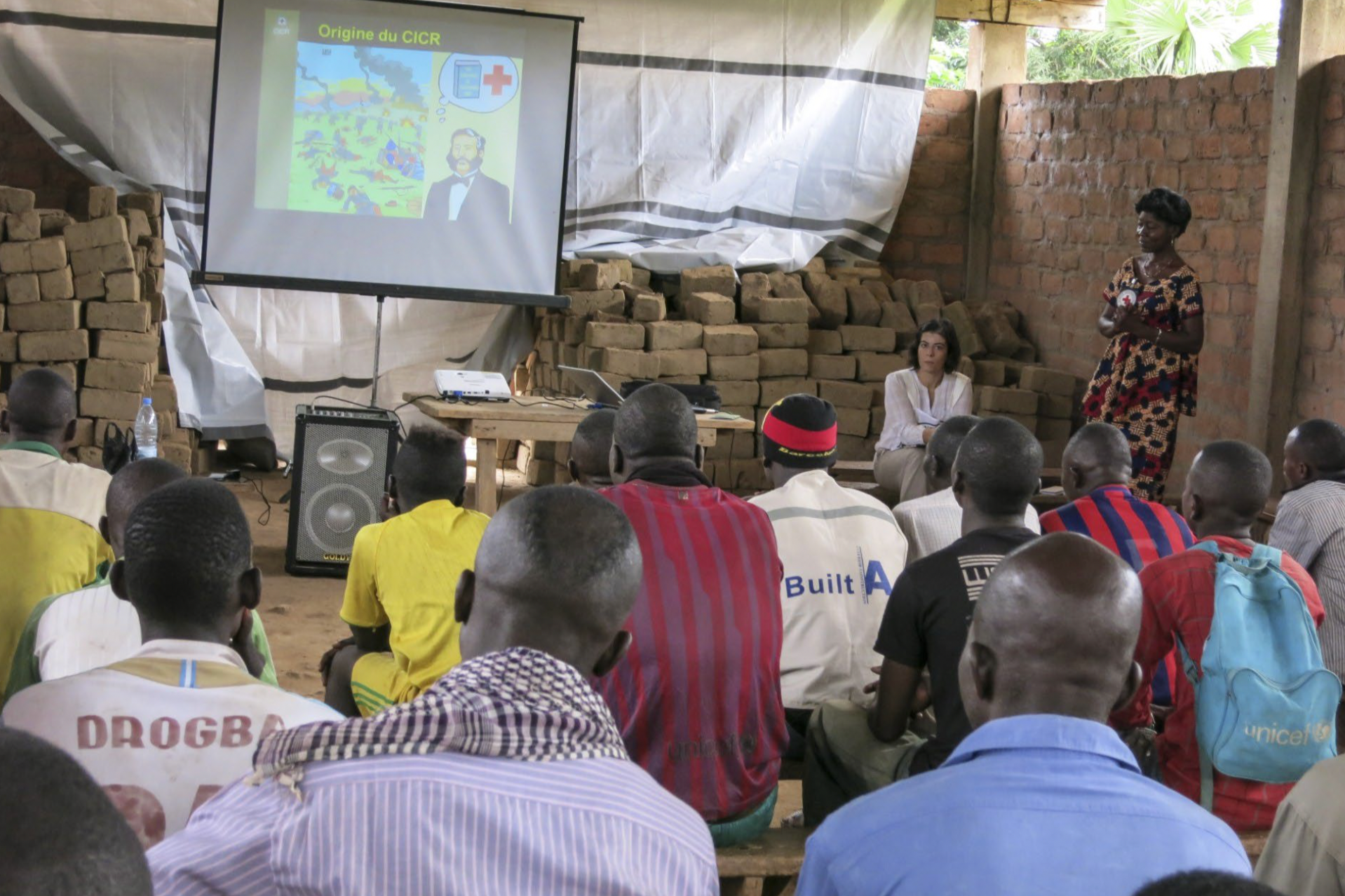
This research report explores evidence from humanitarian and peace process support in southern Thailand and the Central African Republic, and explores whether and how humanitarian diplomacy with armed groups can advance peace without undermining humanitarian principles.
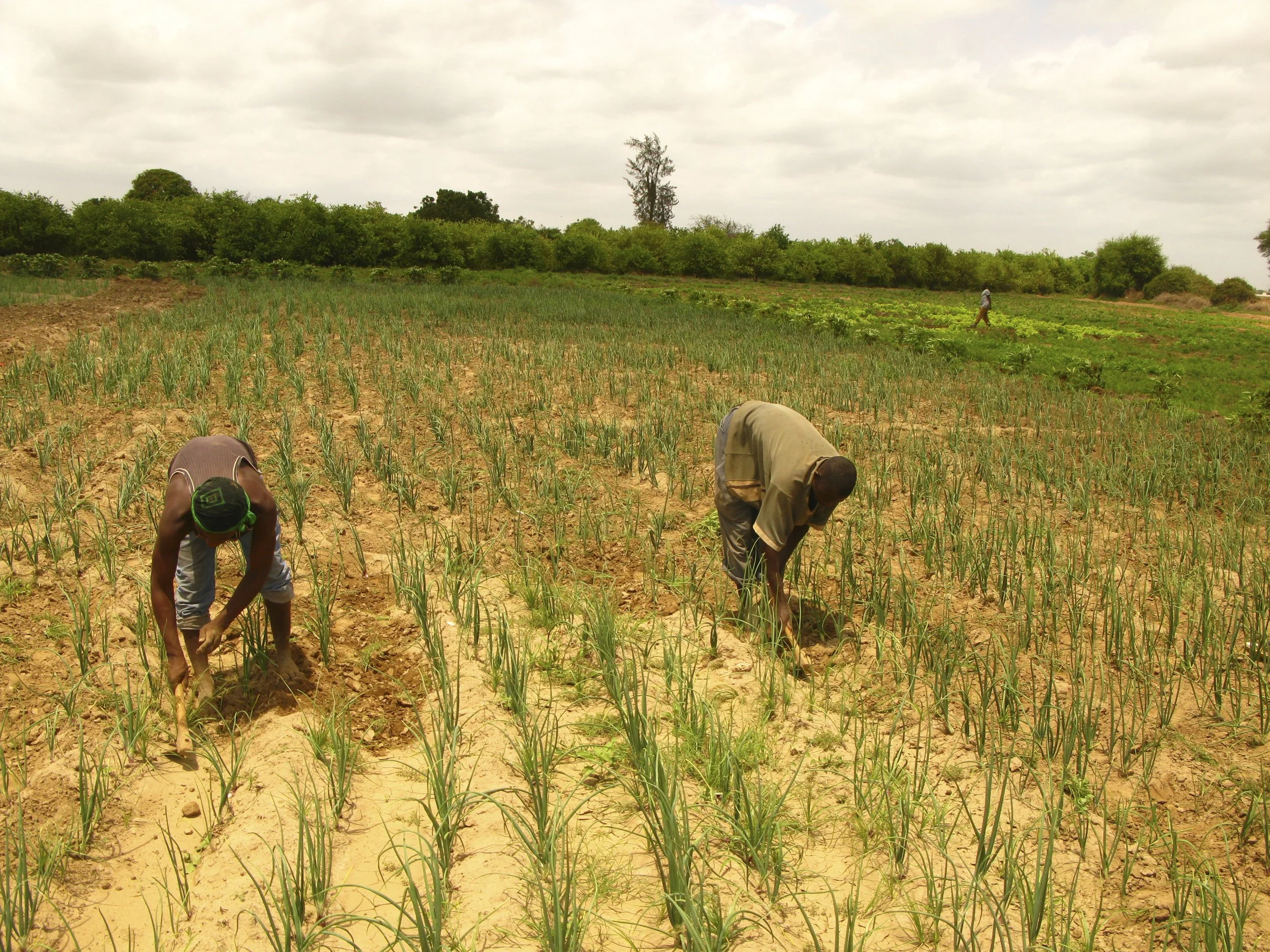
With 6.5 million Somalis facing acute food insecurity and Al-Shabaab controlling or contesting large parts of south-central Somalia, the gap between humanitarian need and humanitarian response has never been more consequential. This paper examines why the formal aid system has largely failed to reach populations in Al-Shabaab areas, and argues that the primary driver is not the group's behaviour but the system's own operational choices.
Drawing on interviews with humanitarian actors, donors and individuals close to Al-Shabaab, the paper traces how counter-terrorism frameworks, risk-averse funding models and alignment with the Somali government have entrenched an assumption that access is impossible — one the evidence does not support. It sets out a practical path forward: restoring perceived neutrality, resourcing access as a core function, and building the strategic humanitarian diplomacy needed to support the frontline engagement that is already, quietly, happening.
South Sudan's civil war has left rebels without arms or foreign backers, and its 2018 peace deal in tatters. Joshua Craze argues that the Nuer white armies — democratic, community-rooted militias — offer a more durable foundation for peace than the internationally brokered processes that enriched Juba's elite.

This report investigates how the war in Sudan is transforming Khartoum through acts of urbicide, the deliberate destruction of urban environments. It draws on satellite imagery, eyewitness testimony, and analysis of conflict dynamics to show how the deliberate tactics of the Rapid Support Forces and the Sudanese Armed Forces have reshaped the capital’s geography. The paper highlights explores how spatial control, infrastructure destruction, looting, and the targeting of symbolic and civilian spaces have become key tactics of the war.

M23’s offensive and capture of Goma have dominated recent coverage of the crisis in the eastern DRC. To unpack what’s happening on the ground — and what it means for the wider region — we spoke with Centre on Armed Groups Fellow Christoph Vogel, an academic, investigator, and writer who has spent more than 15 years researching armed conflict in the DRC. Christoph discusses M23’s end game, the regional power dynamics fueling the conflict, and what we might expect in the weeks and months ahead.

This paper examines how Sudanese civilians, facing widespread violence from the ongoing conflict between the Sudanese Armed Forces (SAF) and Rapid Support Forces (RSF), have been compelled to negotiate survival strategies with warring factions. This report highlights the shift in Sudan’s power struggle, which has devolved from a national conflict into highly localized battles, particularly in Darfur. In response, local community leaders and power brokers have facilitated fragile truces to provide temporary protections, allow for trade, and secure safe passage for civilians.
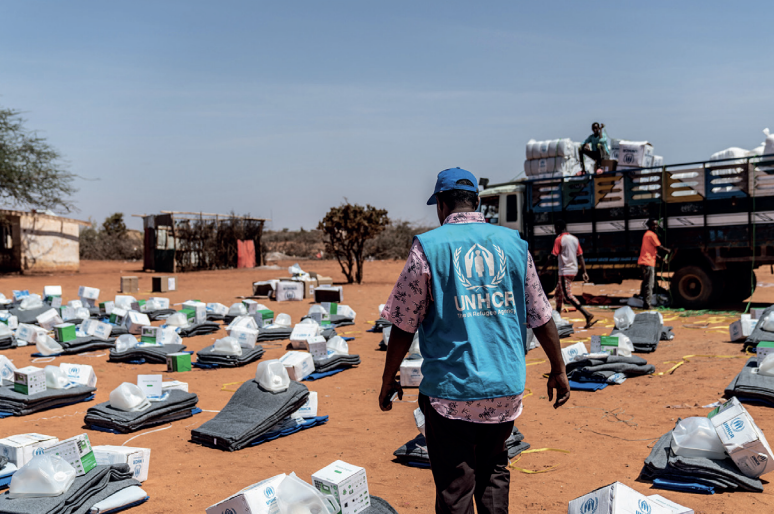
Although the aid sector often treats corruption and diversion as an anomaly, they are pervasive, systemic and often unwittingly perpetuated by standard aid sector practices. Drawing primarily on evidence from Somalia and Afghanistan (with reference to other contexts), this paper explores the specific aid practices that enable and perpetuate corruption and diversion, and what donors and implementers should be doing differently.

This discussion paper examines how the international order that once contained armed conflict is fracturing across multiple, simultaneous dimensions. Drawing on cases spanning Sudan, Myanmar, Yemen, the Sahel, and Ukraine, the paper argues that these compounding failures have given armed groups and de facto authorities far greater freedom and resources than most analysts anticipated.
The paper identifies four cross-cutting dynamics reshaping this landscape: the breakdown of the classic patron-proxy model into fragmented, multi-patron brokerage networks; the growing economic and infrastructural power of armed groups, who now govern revenue streams, trade routes, and services independent of external backers; the retreat of international norm enforcement in favour of local, informal bargaining; and the weaponisation of misinformation to derail negotiations and access agreements. On this basis, the paper calls for a fundamental shift in how donors and practitioners approach engagement.
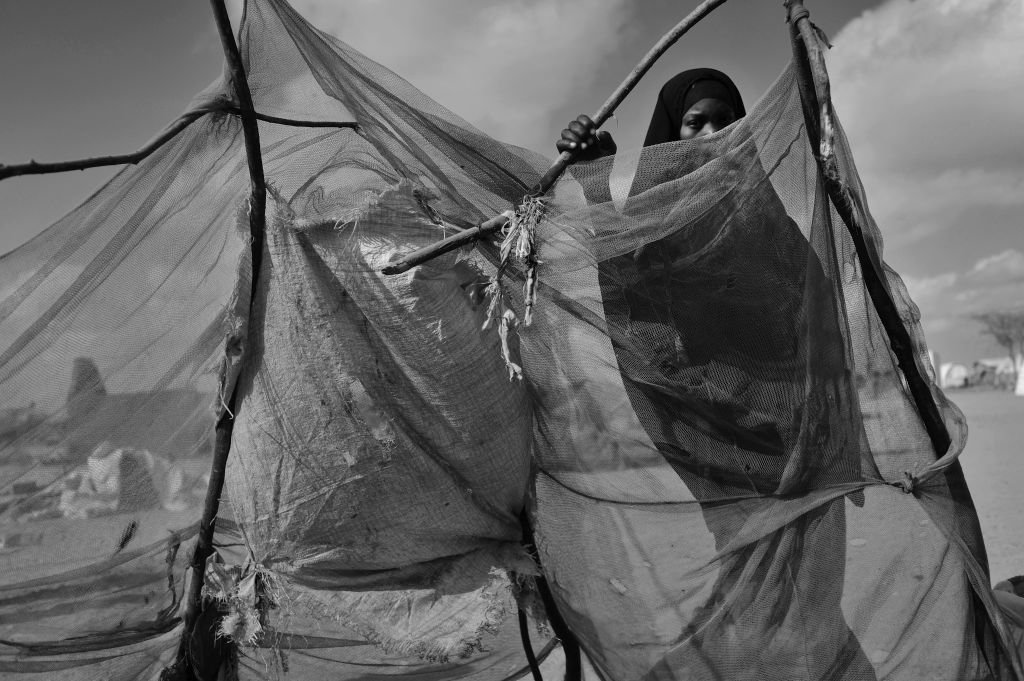
Al-Shabaab has spent a decade building a coherent public case against humanitarian aid. This narrative is grounded in Islamic theology, sharpened by genuine grievances about corruption and exclusion, and extended into a story of foreign domination stretching back centuries. Drawing on a database of over 50,000 Al-Shabaab media sources produced between 2016 and 2026, this report reconstructs that narrative on its own terms: not to endorse it, but to understand it well enough to engage with the populations living under it.
Somali civilians have developed ways of reducing harm that formal institutions rarely see and cannot easily replicate. This paper examines those protective systems through a study of interventions led by a Somali peacebuilding organisation.
Hilary Matfess on why armed groups so often abandon wartime promises to women after peace, what Rwanda's RPF and Syria's HTS reveal about postwar gender politics, and what policymakers should do differently as patriarchal backlash intensifies.
With 6.5 million Somalis facing acute food insecurity and Al-Shabaab controlling or contesting large parts of south-central Somalia, the gap between humanitarian need and humanitarian response has never been more consequential. This paper examines why the formal aid system has largely failed to reach populations in Al-Shabaab areas, and argues that the primary driver is not the group's behaviour but the system's own operational choices.
Drawing on interviews with humanitarian actors, donors and individuals close to Al-Shabaab, the paper traces how counter-terrorism frameworks, risk-averse funding models and alignment with the Somali government have entrenched an assumption that access is impossible — one the evidence does not support. It sets out a practical path forward: restoring perceived neutrality, resourcing access as a core function, and building the strategic humanitarian diplomacy needed to support the frontline engagement that is already, quietly, happening.
South Sudan's civil war has left rebels without arms or foreign backers, and its 2018 peace deal in tatters. Joshua Craze argues that the Nuer white armies — democratic, community-rooted militias — offer a more durable foundation for peace than the internationally brokered processes that enriched Juba's elite.
This report investigates how the war in Sudan is transforming Khartoum through acts of urbicide, the deliberate destruction of urban environments. It draws on satellite imagery, eyewitness testimony, and analysis of conflict dynamics to show how the deliberate tactics of the Rapid Support Forces and the Sudanese Armed Forces have reshaped the capital’s geography. The paper highlights explores how spatial control, infrastructure destruction, looting, and the targeting of symbolic and civilian spaces have become key tactics of the war.
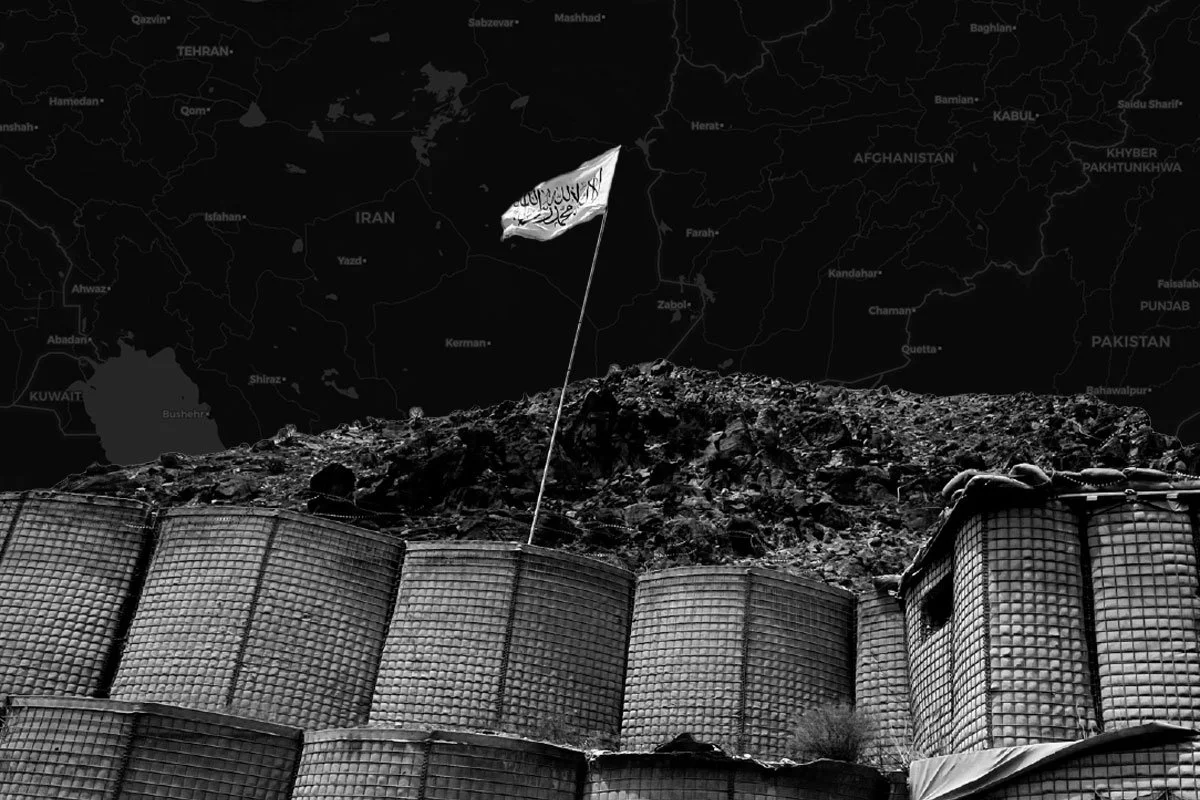
This findings report explores why and how armed groups engage with cultural heritage, offering new tools and insights for cultural protection in conflict zones.
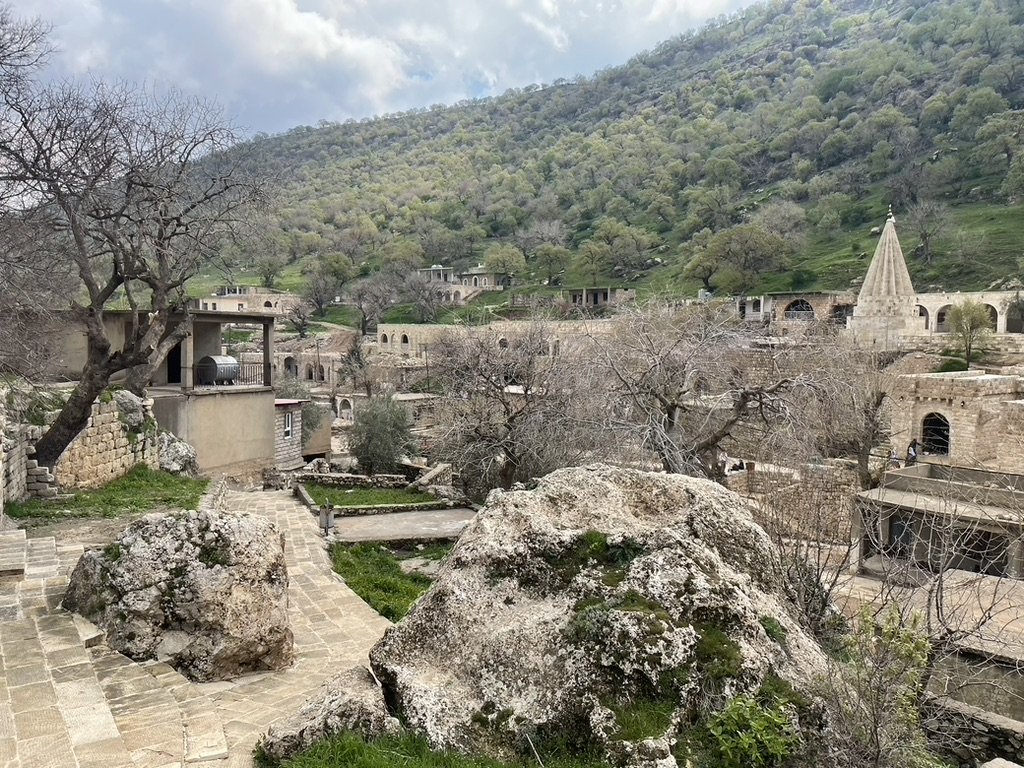
This briefing presents strategies for engaging armed groups on cultural heritage protection, focusing on risk management, community engagement, and practical tools for culturally sensitive programming in conflict zones.
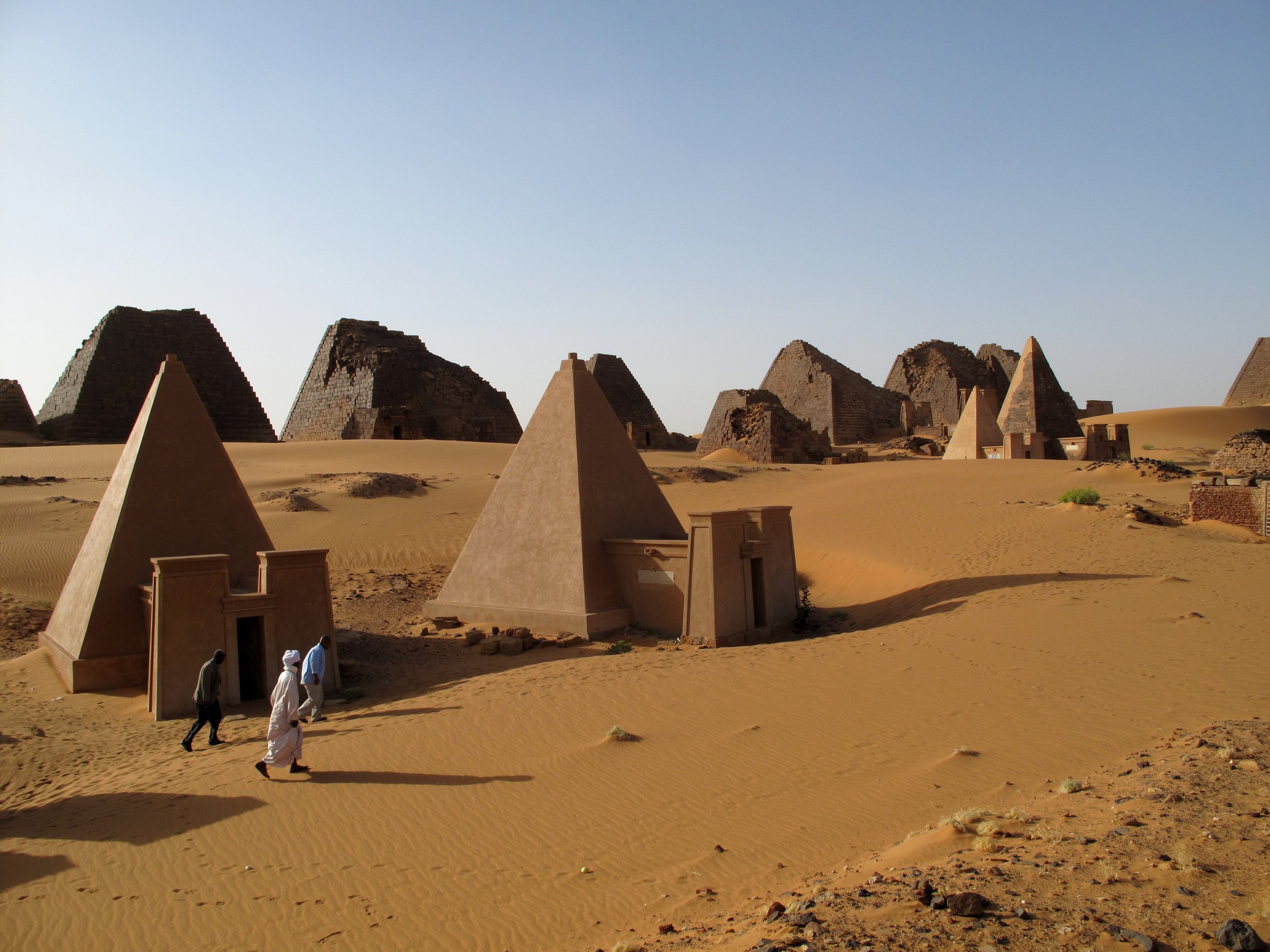
This briefing note explores why armed groups protect or destroy cultural heritage, highlighting ideological, political, and contextual factors that shape their behaviour. It offers insights to inform targeted engagement strategies in conflict zones.

This briefing outlines barriers and solutions to building capacity for engaging armed groups and de facto authorities in protecting cultural heritage. It calls for better tools, partnerships, and recognition of heritage protection as a core humanitarian concern.

This briefing explores how cultural heritage can open dialogue with armed groups and de facto authorities in conflict zones, drawing on case studies from Afghanistan, Mali, Myanmar, Sudan, and Syria. It highlights cultural heritage as a potential tool for peacebuilding and recommends strategies to bridge cultural and political engagement.
This paper examines how Sudanese civilians, facing widespread violence from the ongoing conflict between the Sudanese Armed Forces (SAF) and Rapid Support Forces (RSF), have been compelled to negotiate survival strategies with warring factions. This report highlights the shift in Sudan’s power struggle, which has devolved from a national conflict into highly localized battles, particularly in Darfur. In response, local community leaders and power brokers have facilitated fragile truces to provide temporary protections, allow for trade, and secure safe passage for civilians.

This working paper examines the dynamics of checkpoint authority in Somalia, focusing on how kinship, mobility and checkpoint practices intersect to shape political and social orders. The paper argues that checkpoints in Somalia—or isbaaro as they are locally called—are deeply embedded in the social fabric of clan society, where the practice of abanship—the brokerage of passage through clan territory—plays a crucial role. This brokerage not only facilitates trade but also reinforces clan identity and social differentiation
Although the aid sector often treats corruption and diversion as an anomaly, they are pervasive, systemic and often unwittingly perpetuated by standard aid sector practices. Drawing primarily on evidence from Somalia and Afghanistan (with reference to other contexts), this paper explores the specific aid practices that enable and perpetuate corruption and diversion, and what donors and implementers should be doing differently.

Based on extensive research in Al-Shabab controlled areas of Somalia, this paper explores dynamics between Al-Shabab and those who live under their control.

Prevailing understandings of control – which focus on territorial dividing lines and acts of violence – are incomplete. Our paper argues that armed group control should instead be broken down according to how armed groups seek to influence populations.

Western states have frequently worked with non-state armed groups to confront security threats, as part of global counter-terrorism operations or as de facto security providers in stabilisation contexts. But this often presents substantial risks or drawbacks. This joint paper, published with GPPi, considers how the US tried to mitigate these risks while working with militias and substate forces in Afghanistan, Syria and Iraq.

This paper examines life under jihadist groups like JNIM in Mali, looking at the different survival strategies civilians employ.
This paper by Joshua Craze and Ferenc Dávid Markó examines the role of checkpoints in South Sudan’s political economy, challenging the view that they are simply obstacles to trade, humanitarian access and state reform. It argues that checkpoints are a central form of state authority in a country where government salaries and public services are limited, oil revenues have declined and humanitarian funding is increasingly uncertain. The paper shows that rather than representing state failure, checkpoints reflect the longstanding predatory character of state power in South Sudan, with communities themselves sometimes adopting similar systems to resist elite extraction.
This paper is the 16th in a working paper series on Roadblocks and Revenues, a collaboration between the Danish Institute for International Studies, the International Centre for Tax and Development and the Centre on Armed Groups.
M23’s offensive and capture of Goma have dominated recent coverage of the crisis in the eastern DRC. To unpack what’s happening on the ground — and what it means for the wider region — we spoke with Centre on Armed Groups Fellow Christoph Vogel, an academic, investigator, and writer who has spent more than 15 years researching armed conflict in the DRC. Christoph discusses M23’s end game, the regional power dynamics fueling the conflict, and what we might expect in the weeks and months ahead.

This Working Paper develops a political sociology of roadblocks to demonstrate how roadblocks in eastern Democratic Republic of Congo (DRC) contribute to the production and reproduction of public authority. The approach offers a refined conceptualisation of agency during roadblock encounters, which provides a better understanding of when and why people comply with demands made by roadblock operators and of the cumulative effects of the micro-practices enacted at roadblocks on broader sociopolitical orders
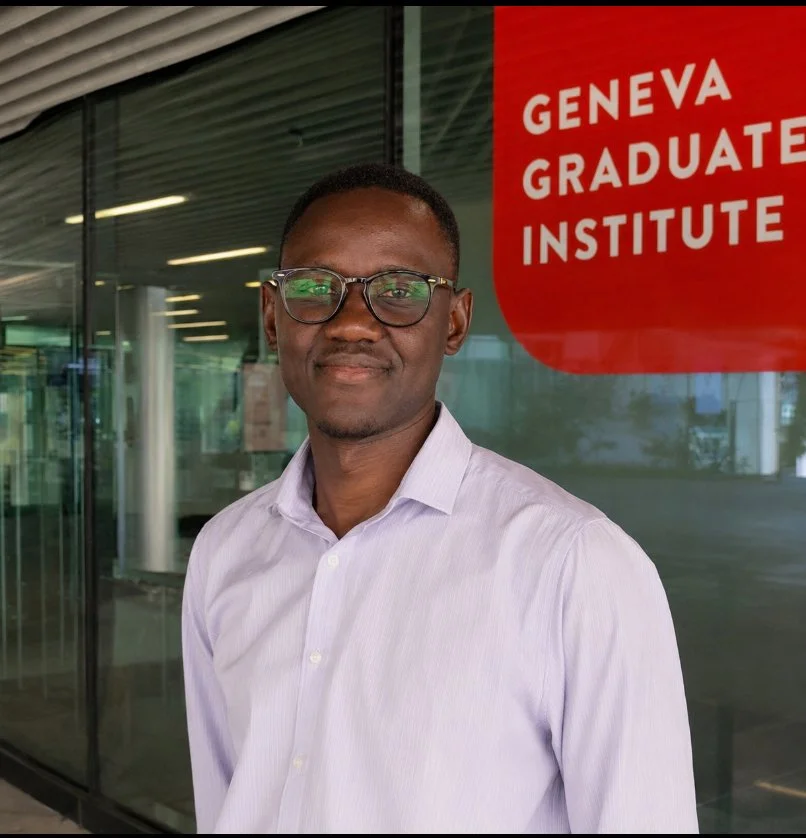
Maiwen Ngalueth is a researcher and practitioner with over 15 years of experience in armed conflict, humanitarian action, peacebuilding and international development, with experience working on different countries across Africa and the MENA region.










Al-Shabaab has spent a decade building a coherent public case against humanitarian aid. This narrative is grounded in Islamic theology, sharpened by genuine grievances about corruption and exclusion, and extended into a story of foreign domination stretching back centuries. Drawing on a database of over 50,000 Al-Shabaab media sources produced between 2016 and 2026, this report reconstructs that narrative on its own terms: not to endorse it, but to understand it well enough to engage with the populations living under it.