
Empty wind
Al-Shabaab’s narratives of humanitarian aid
Ashley Jackson and Mohamed Mubarak
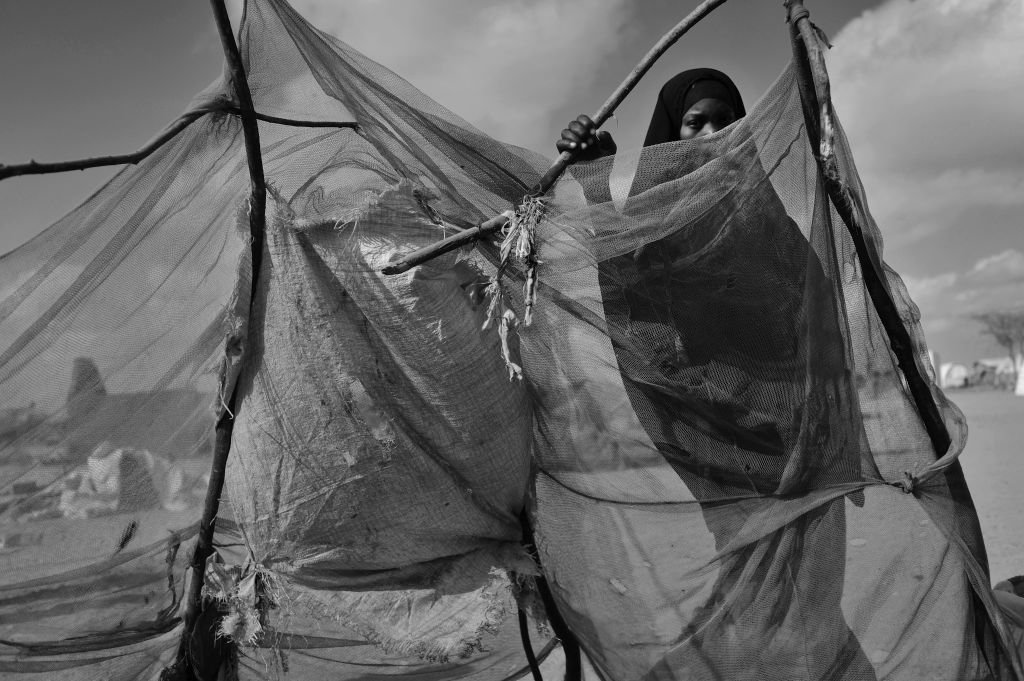
Al-Shabaab has spent a decade building a coherent public case against humanitarian aid. This narrative is grounded in Islamic theology, sharpened by genuine grievances about corruption and exclusion, and extended into a story of foreign domination stretching back centuries. Drawing on a database of over 50,000 Al-Shabaab media sources produced between 2016 and 2026, this report reconstructs that narrative on its own terms: not to endorse it, but to understand it well enough to engage with the populations living under it.
The findings complicate easy assumptions. Al-Shabaab doesn't reject relief, but it rejects relief delivered by anyone it classifies as an enemy, regardless of conduct. Instead, it has built a parallel system of its own, through zakat collection, drought committees, and charitable fronts. That tolerance for outside aid is real, pragmatic, and unstable, and it's likely to narrow as Al-Shabaab's own capacity grows. For practitioners seeking access, the report argues, understanding this doctrine — and the genuine failures it feeds on — is the starting point for any serious engagement strategy.