
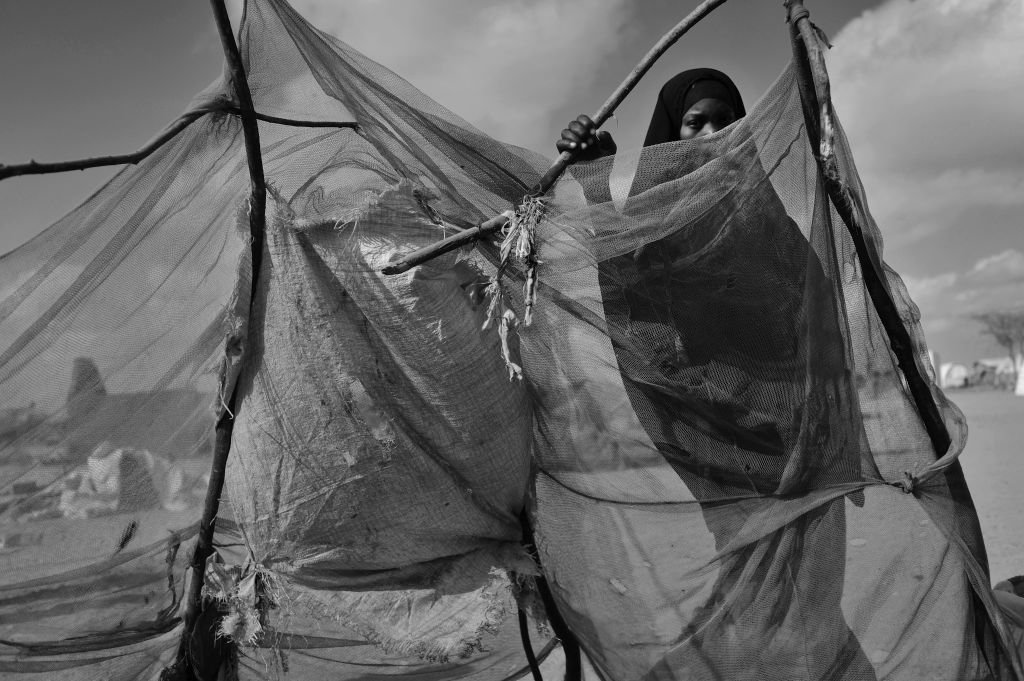
Empty wind
Al-Shabaab has spent a decade building a coherent public case against humanitarian aid. This narrative is grounded in Islamic theology, sharpened by genuine grievances about corruption and exclusion, and extended into a story of foreign domination stretching back centuries. Drawing on a database of over 50,000 Al-Shabaab media sources produced between 2016 and 2026, this report reconstructs that narrative on its own terms: not to endorse it, but to understand it well enough to engage with the populations living under it.
Children’s access to essential services
This research report explores the perceptions, motives, and practices of non-state armed groups and de facto authorities regarding children’s access to essential services across four case-studies: Mali, Myanmar, the Occupied Palestinian Territory and Yemen.
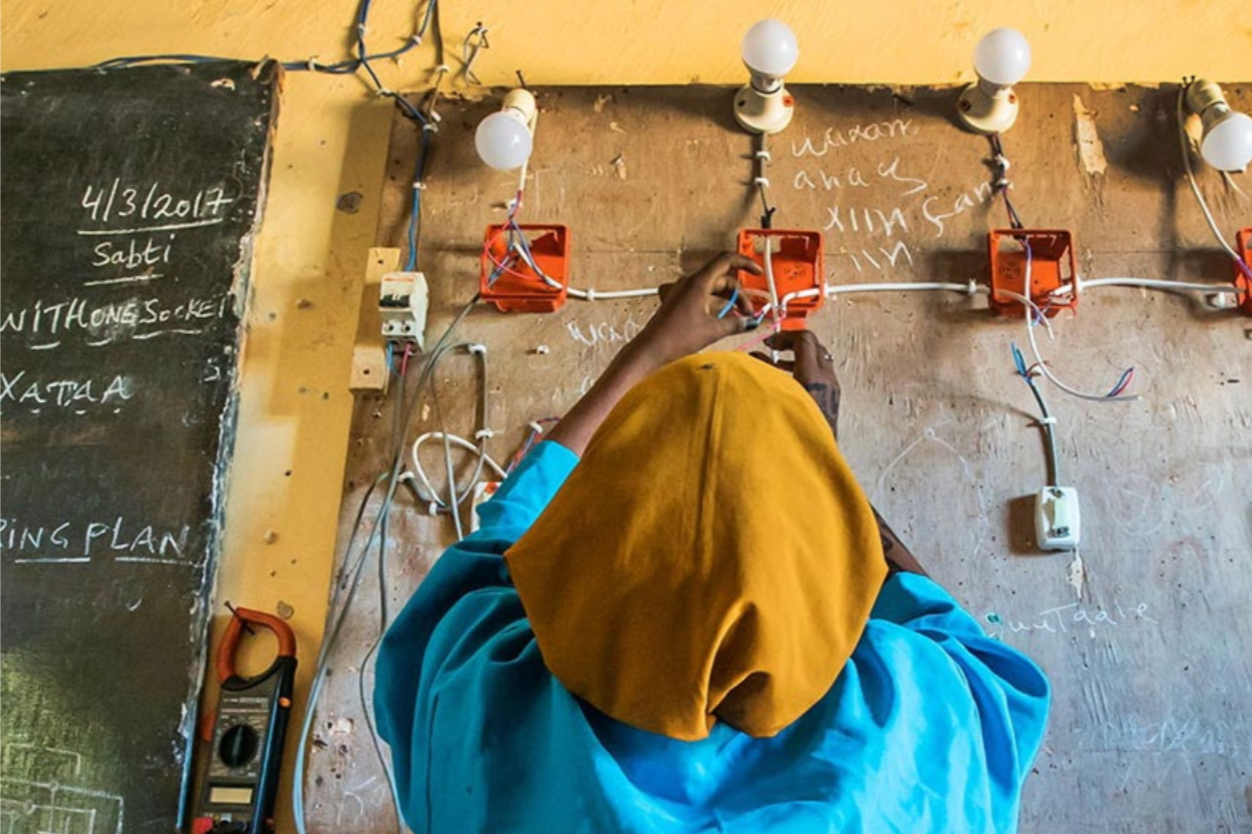
Social infrastructures of Protection in Somalia
Somali civilians have developed ways of reducing harm that formal institutions rarely see and cannot easily replicate. This paper examines those protective systems through a study of interventions led by a Somali peacebuilding organisation.
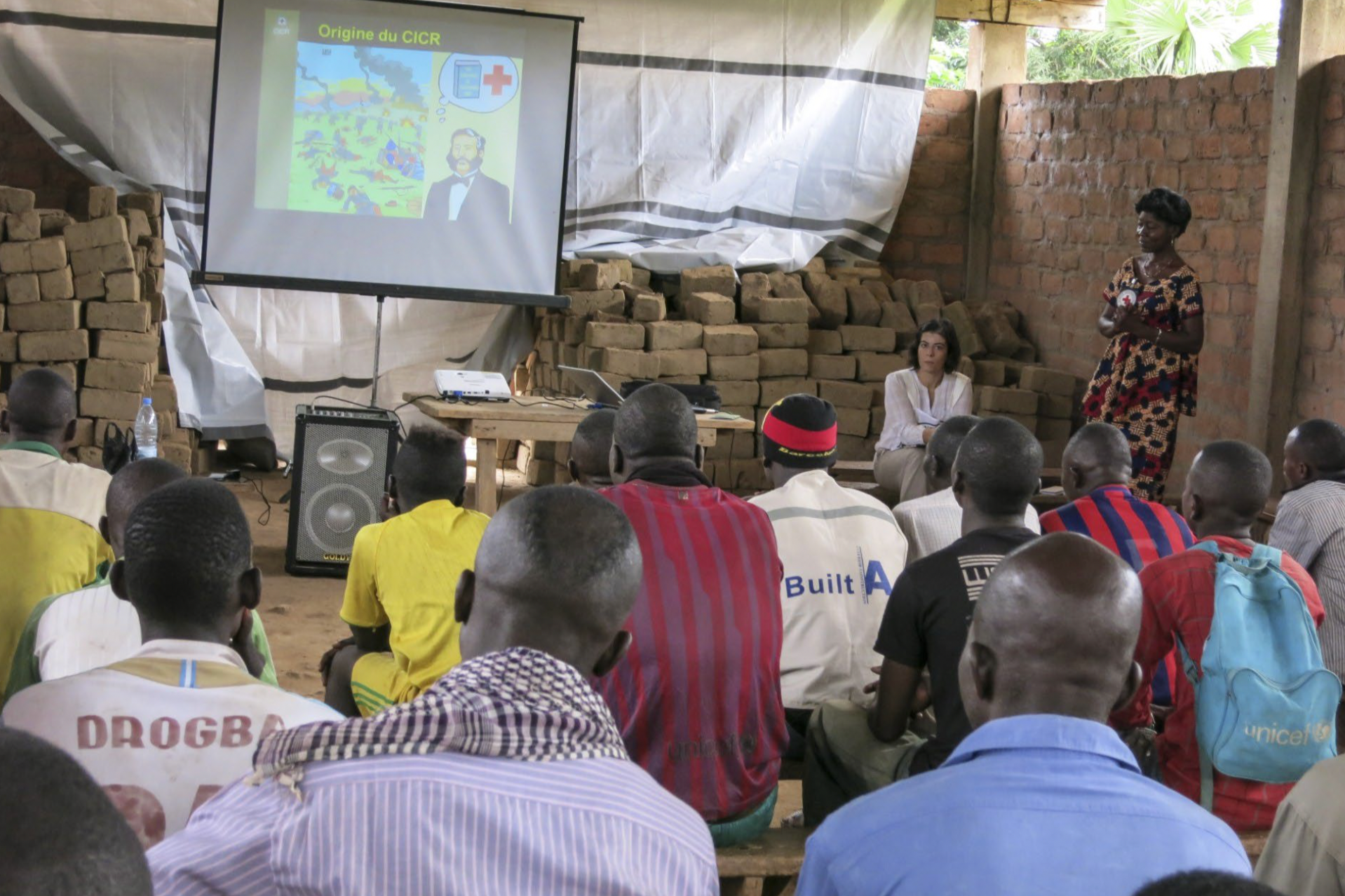
Linking humanitarian diplomacy and peace
This research report explores evidence from humanitarian and peace process support in southern Thailand and the Central African Republic, and explores whether and how humanitarian diplomacy with armed groups can advance peace without undermining humanitarian principles.

The missing piece in the humanitarian reset: Humanitarian diplomacy with armed groups
The UN's Humanitarian Reset calls for 'enhanced humanitarian diplomacy' but offers few specifics on what that means. Drawing on frontline evidence from southern Thailand and the Central African Republic, this piece argues that sustained, principled engagement with armed groups can build trust, reduce violence, and open space for broader political dialogue — but only if donors fund it as a core function, not an afterthought.
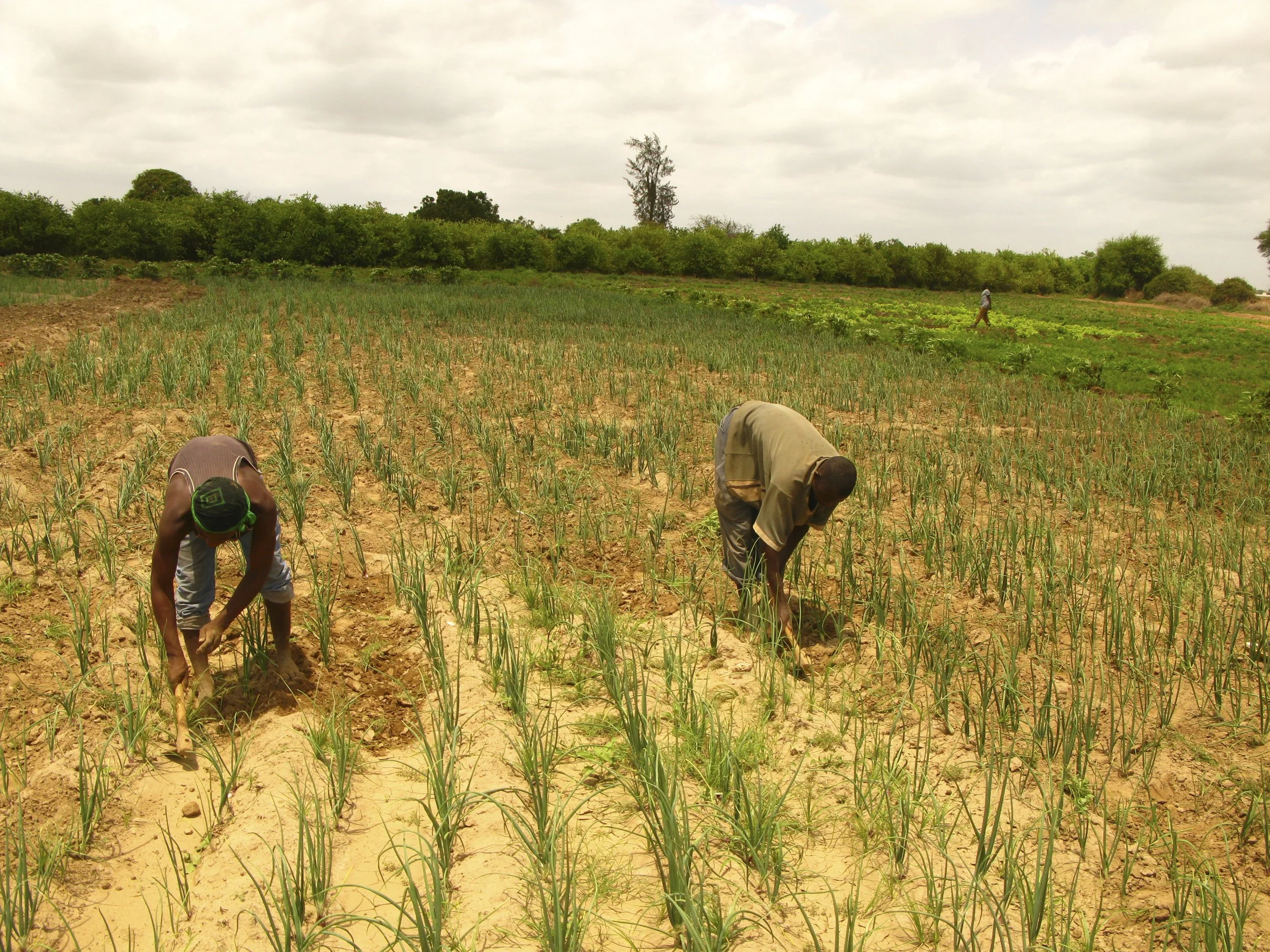
Al-Shabaab, Food Insecurity, Humanitarian Access and Protection of Civilians in Somalia
With 6.5 million Somalis facing acute food insecurity and Al-Shabaab controlling or contesting large parts of south-central Somalia, the gap between humanitarian need and humanitarian response has never been more consequential. This paper examines why the formal aid system has largely failed to reach populations in Al-Shabaab areas, and argues that the primary driver is not the group's behaviour but the system's own operational choices.
Drawing on interviews with humanitarian actors, donors and individuals close to Al-Shabaab, the paper traces how counter-terrorism frameworks, risk-averse funding models and alignment with the Somali government have entrenched an assumption that access is impossible — one the evidence does not support. It sets out a practical path forward: restoring perceived neutrality, resourcing access as a core function, and building the strategic humanitarian diplomacy needed to support the frontline engagement that is already, quietly, happening.
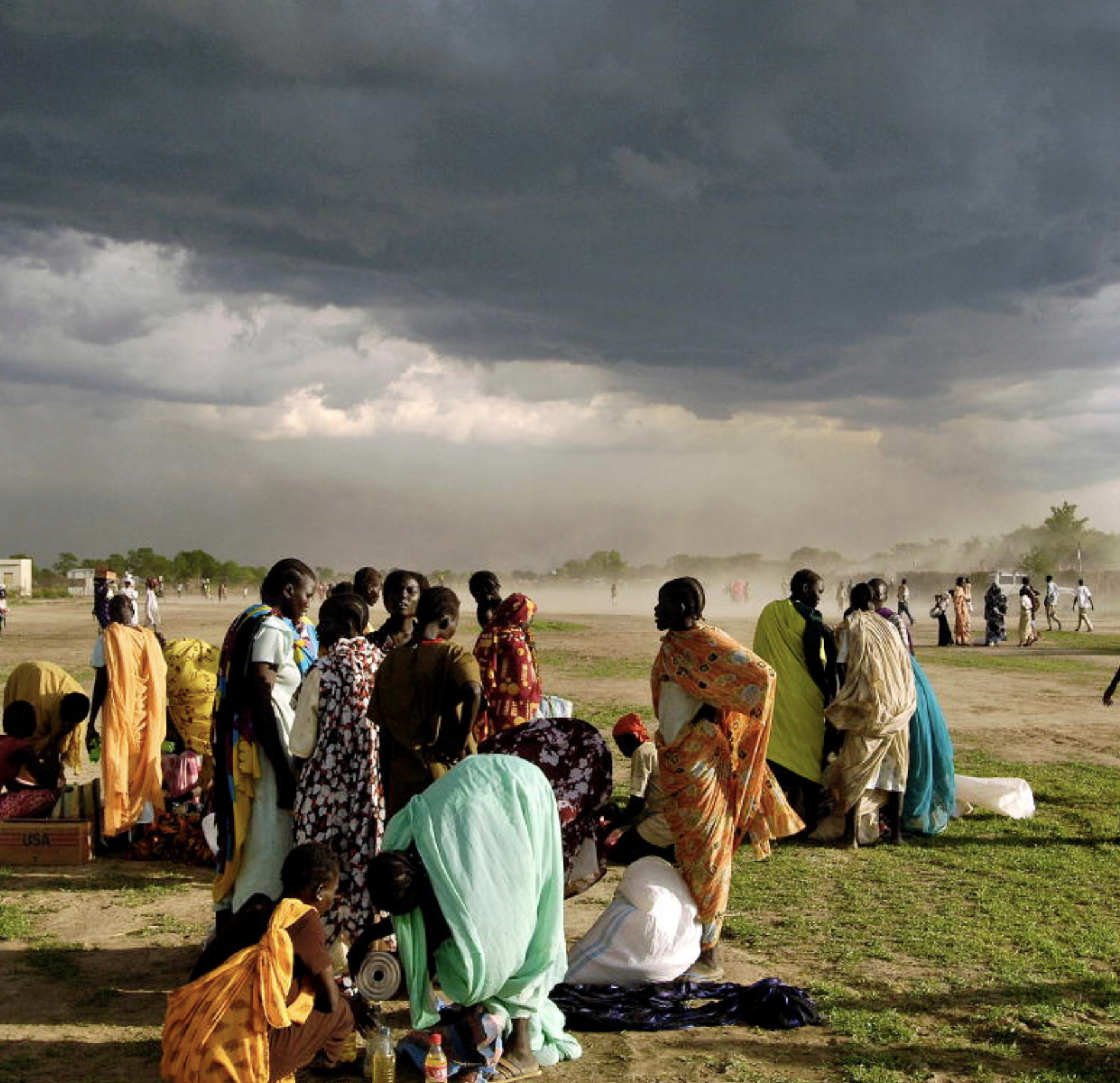
The Future of Humanitarian Access
This discussion paper examines the collapse of key humanitarian access capacities in 2025 and outlines the shifts needed to sustain principled operations in increasingly fragmented and politicised conflict environments. It argues for a rebalanced, locally led and internationally enabled approach to access, and offers practical recommendations for donors, UN actors, and frontline organisations.

Inviting non-state armed groups to the table: inclusive strategies towards a more fit for purpose IHL
Millions around the globe are affected by the actions of non-state armed groups. Like states, NSAGs are bound by IHL but have no voice in shaping it. This Brief proposes a strategic model aimed at the progressive inclusion of NSAGs in humanitarian norm development processes.