

A Fracturing Order
This discussion paper examines how the international order that once contained armed conflict is fracturing across multiple, simultaneous dimensions. Drawing on cases spanning Sudan, Myanmar, Yemen, the Sahel, and Ukraine, the paper argues that these compounding failures have given armed groups and de facto authorities far greater freedom and resources than most analysts anticipated.
The paper identifies four cross-cutting dynamics reshaping this landscape: the breakdown of the classic patron-proxy model into fragmented, multi-patron brokerage networks; the growing economic and infrastructural power of armed groups, who now govern revenue streams, trade routes, and services independent of external backers; the retreat of international norm enforcement in favour of local, informal bargaining; and the weaponisation of misinformation to derail negotiations and access agreements. On this basis, the paper calls for a fundamental shift in how donors and practitioners approach engagement.
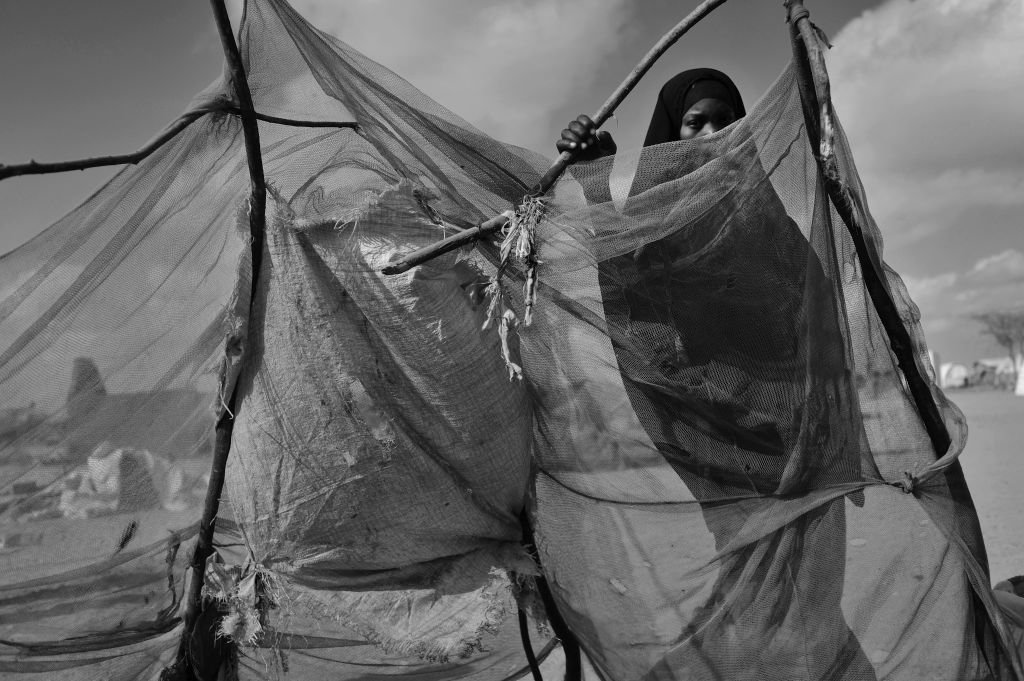
Empty wind
Al-Shabaab has spent a decade building a coherent public case against humanitarian aid. This narrative is grounded in Islamic theology, sharpened by genuine grievances about corruption and exclusion, and extended into a story of foreign domination stretching back centuries. Drawing on a database of over 50,000 Al-Shabaab media sources produced between 2016 and 2026, this report reconstructs that narrative on its own terms: not to endorse it, but to understand it well enough to engage with the populations living under it.
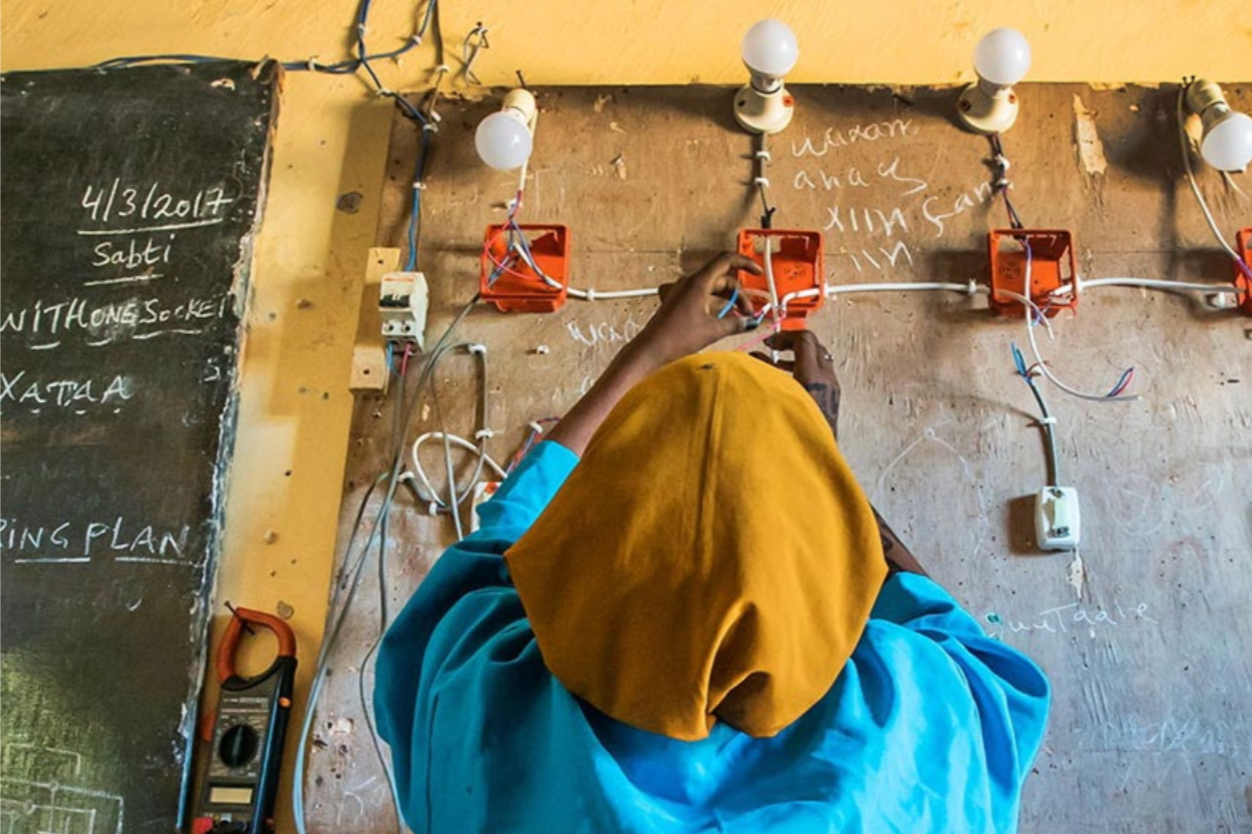
Social infrastructures of Protection in Somalia
Somali civilians have developed ways of reducing harm that formal institutions rarely see and cannot easily replicate. This paper examines those protective systems through a study of interventions led by a Somali peacebuilding organisation.
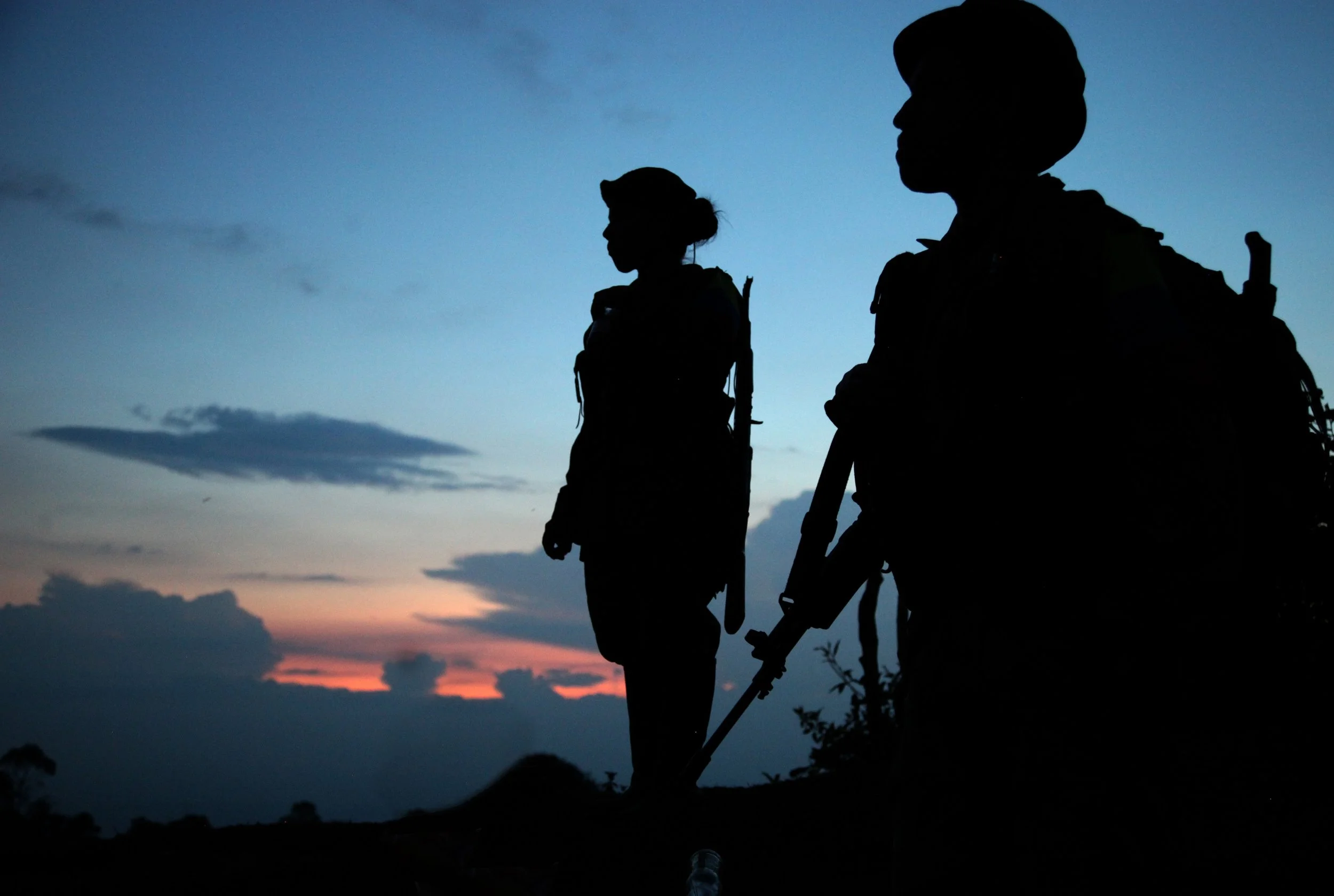
Why female fighters' wartime gains rarely survive the peace
Hilary Matfess on why armed groups so often abandon wartime promises to women after peace, what Rwanda's RPF and Syria's HTS reveal about postwar gender politics, and what policymakers should do differently as patriarchal backlash intensifies.
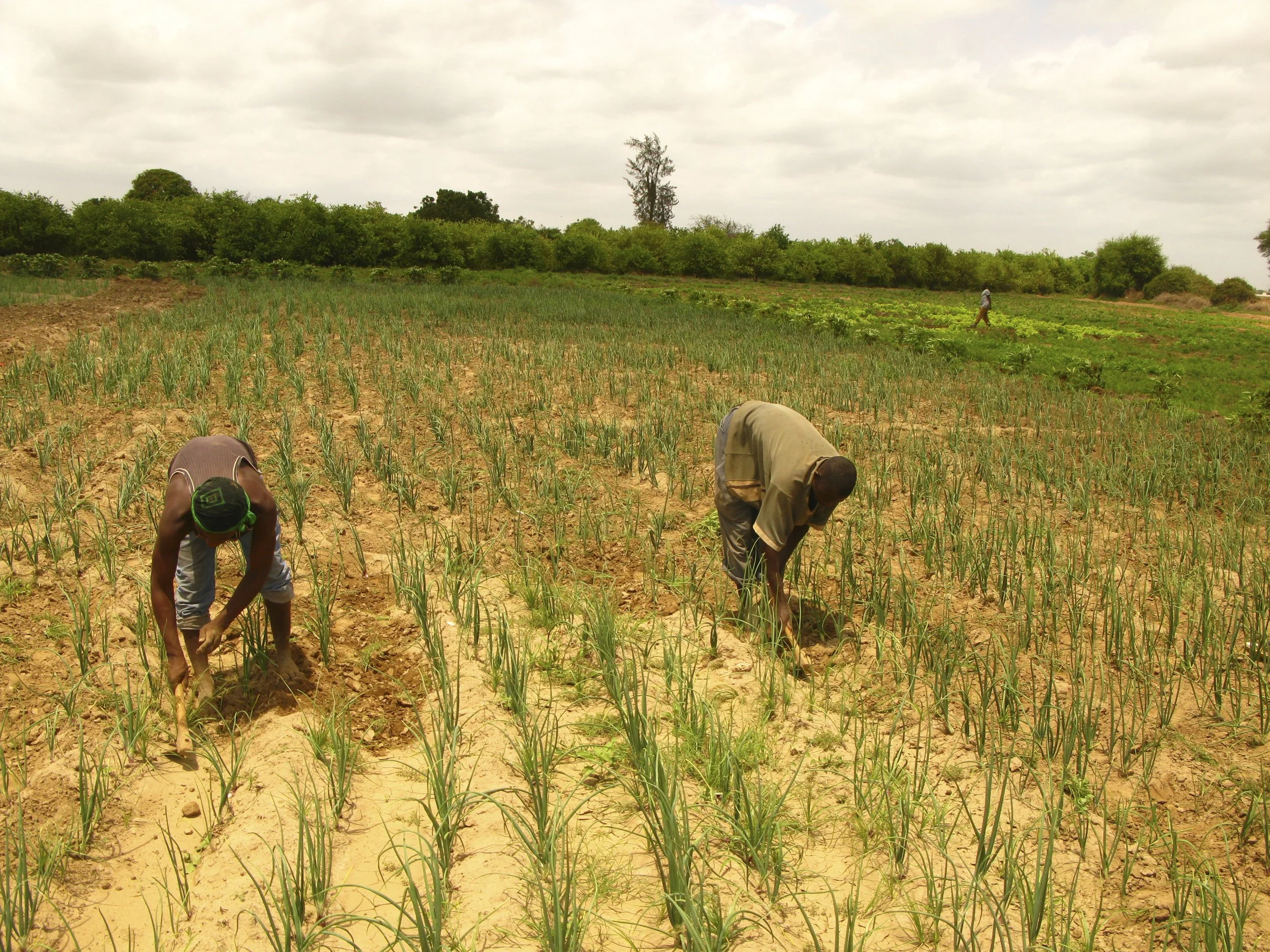
Al-Shabaab, Food Insecurity, Humanitarian Access and Protection of Civilians in Somalia
With 6.5 million Somalis facing acute food insecurity and Al-Shabaab controlling or contesting large parts of south-central Somalia, the gap between humanitarian need and humanitarian response has never been more consequential. This paper examines why the formal aid system has largely failed to reach populations in Al-Shabaab areas, and argues that the primary driver is not the group's behaviour but the system's own operational choices.
Drawing on interviews with humanitarian actors, donors and individuals close to Al-Shabaab, the paper traces how counter-terrorism frameworks, risk-averse funding models and alignment with the Somali government have entrenched an assumption that access is impossible — one the evidence does not support. It sets out a practical path forward: restoring perceived neutrality, resourcing access as a core function, and building the strategic humanitarian diplomacy needed to support the frontline engagement that is already, quietly, happening.
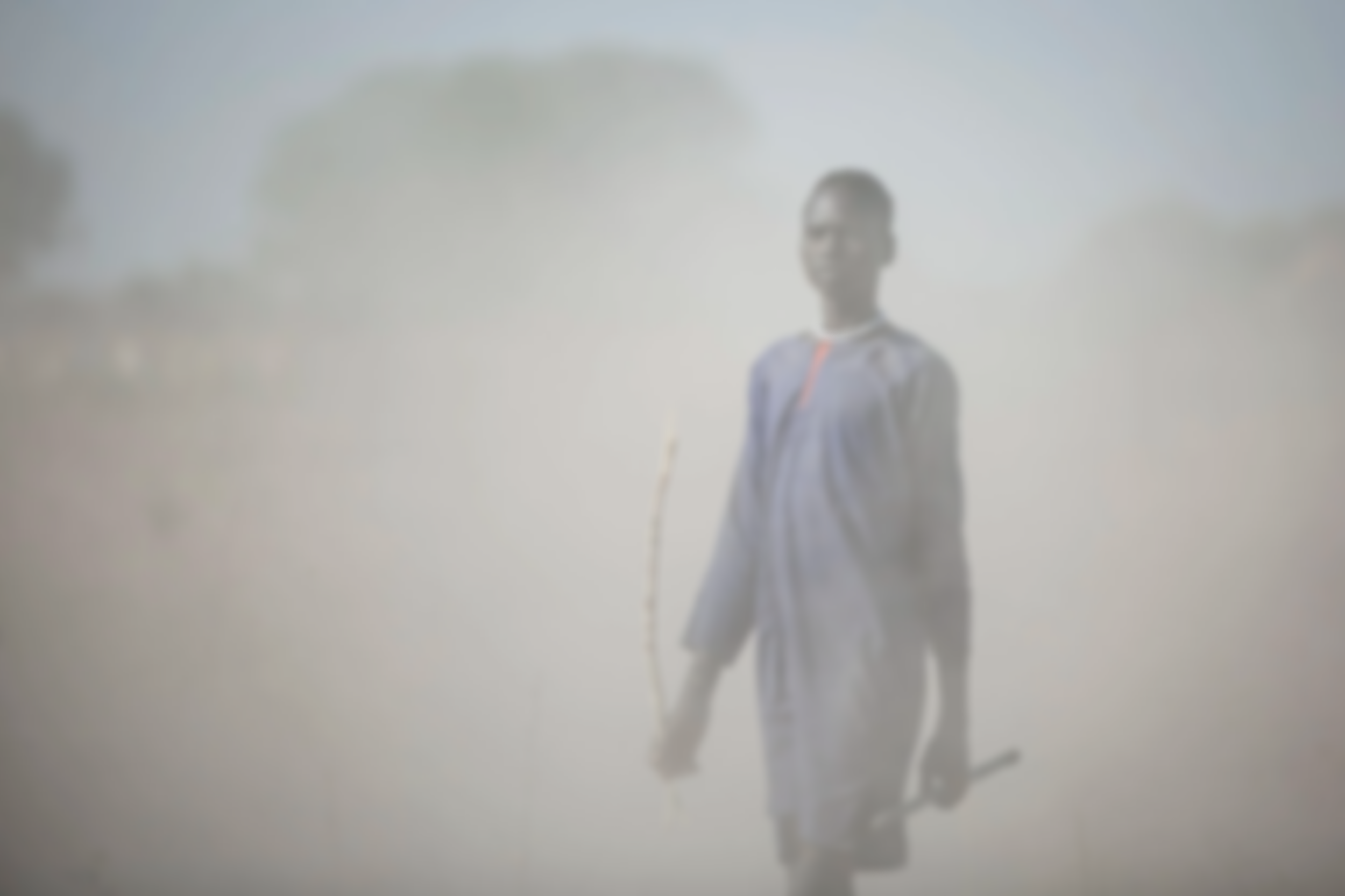
Grassroots Deals, Not International Processes, Offer South Sudan Its Best Hope for Peace
South Sudan's civil war has left rebels without arms or foreign backers, and its 2018 peace deal in tatters. Joshua Craze argues that the Nuer white armies — democratic, community-rooted militias — offer a more durable foundation for peace than the internationally brokered processes that enriched Juba's elite.

Urbicide in Khartoum: An Analysis of the Al-Amarat and Mayo Neighbourhoods, 2023–24
This report investigates how the war in Sudan is transforming Khartoum through acts of urbicide, the deliberate destruction of urban environments. It draws on satellite imagery, eyewitness testimony, and analysis of conflict dynamics to show how the deliberate tactics of the Rapid Support Forces and the Sudanese Armed Forces have reshaped the capital’s geography. The paper highlights explores how spatial control, infrastructure destruction, looting, and the targeting of symbolic and civilian spaces have become key tactics of the war.
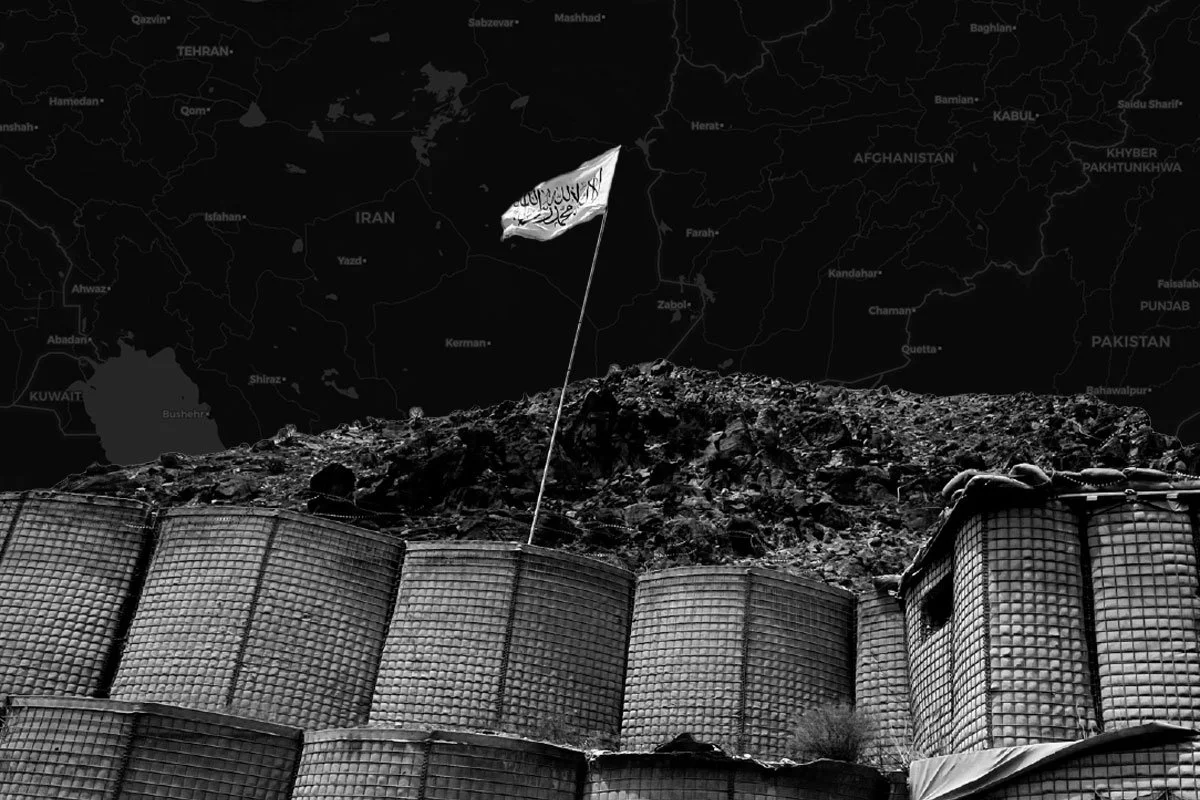
Unlikely Allies: Engaging armed groups for the protection of cultural heritage
This findings report explores why and how armed groups engage with cultural heritage, offering new tools and insights for cultural protection in conflict zones.
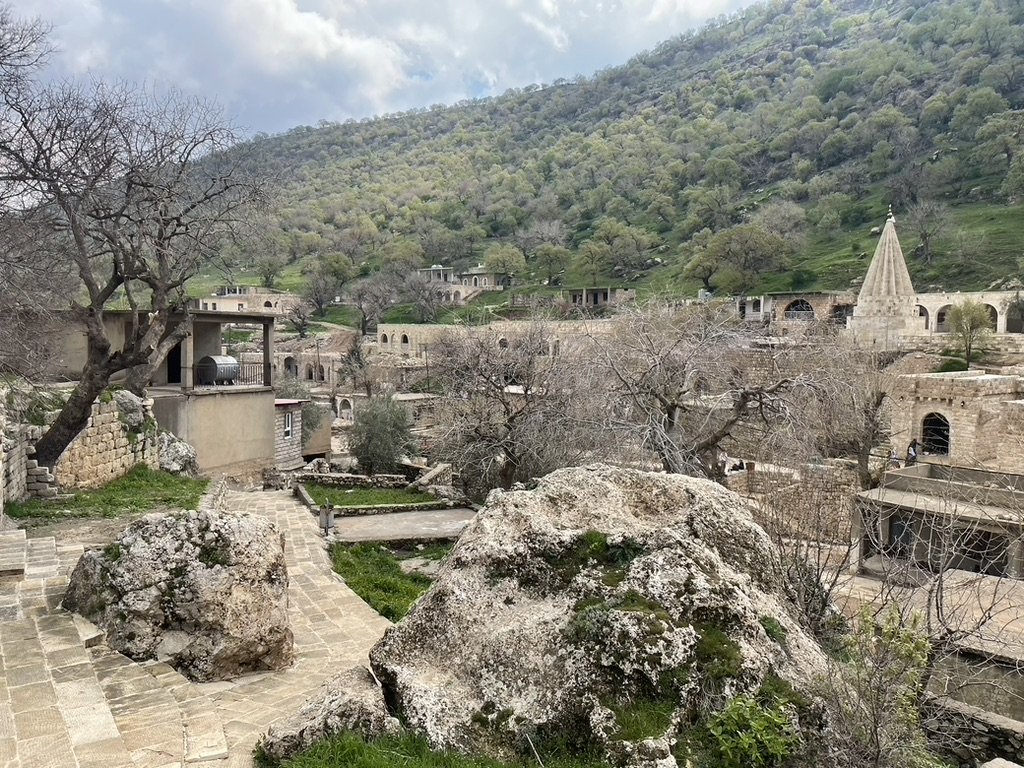
Strategies for engaging armed groups in cultural heritage protection
This briefing presents strategies for engaging armed groups on cultural heritage protection, focusing on risk management, community engagement, and practical tools for culturally sensitive programming in conflict zones.
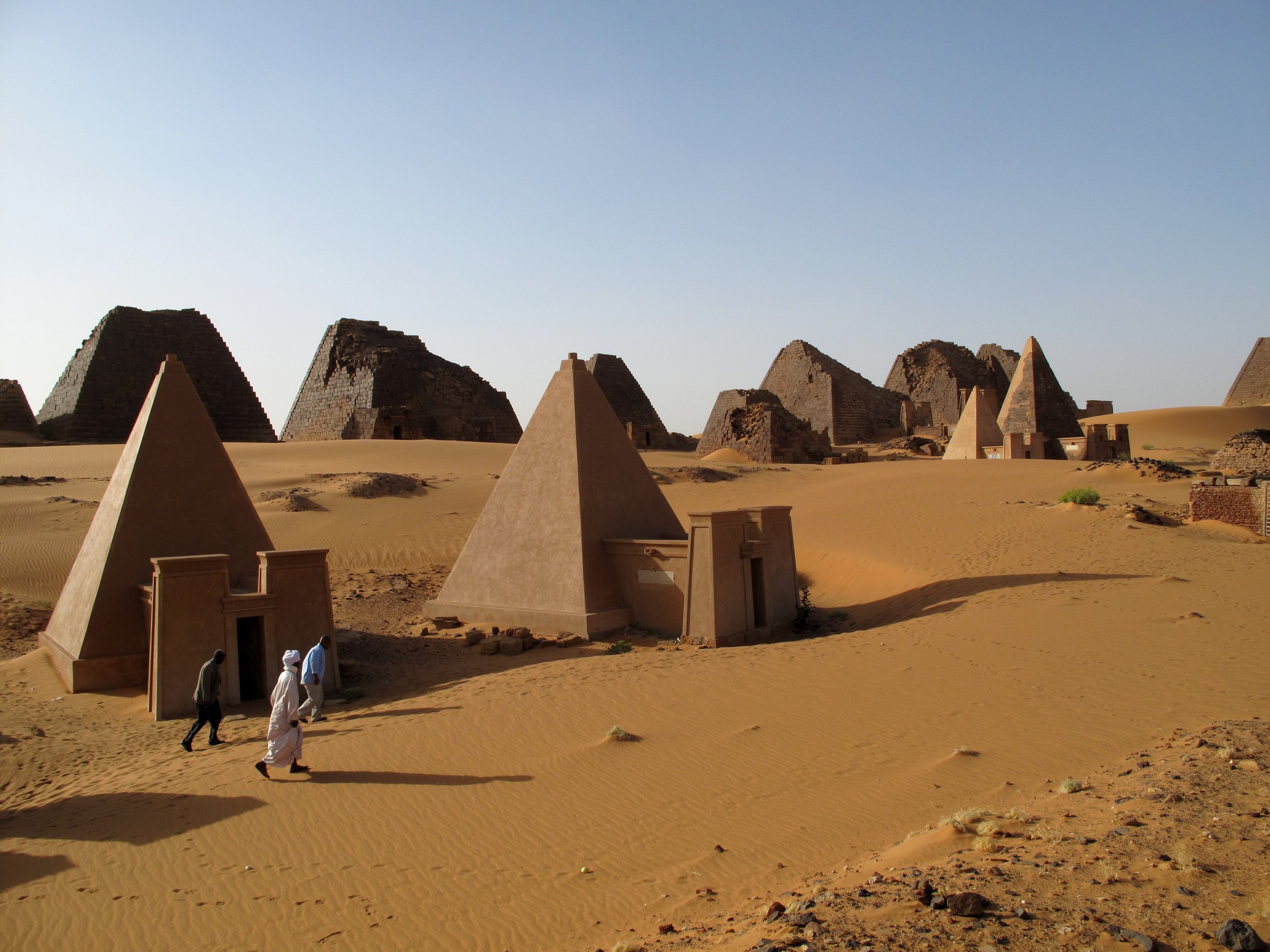
Motivations of armed groups to protect cultural heritage
This briefing note explores why armed groups protect or destroy cultural heritage, highlighting ideological, political, and contextual factors that shape their behaviour. It offers insights to inform targeted engagement strategies in conflict zones.