
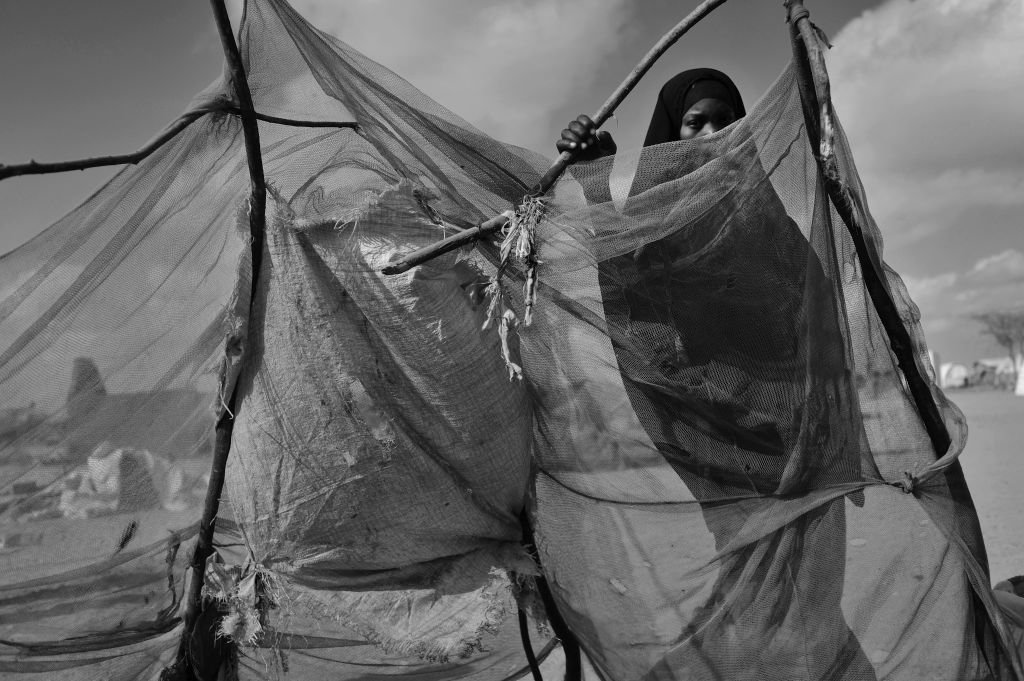
Empty wind
Al-Shabaab has spent a decade building a coherent public case against humanitarian aid. This narrative is grounded in Islamic theology, sharpened by genuine grievances about corruption and exclusion, and extended into a story of foreign domination stretching back centuries. Drawing on a database of over 50,000 Al-Shabaab media sources produced between 2016 and 2026, this report reconstructs that narrative on its own terms: not to endorse it, but to understand it well enough to engage with the populations living under it.
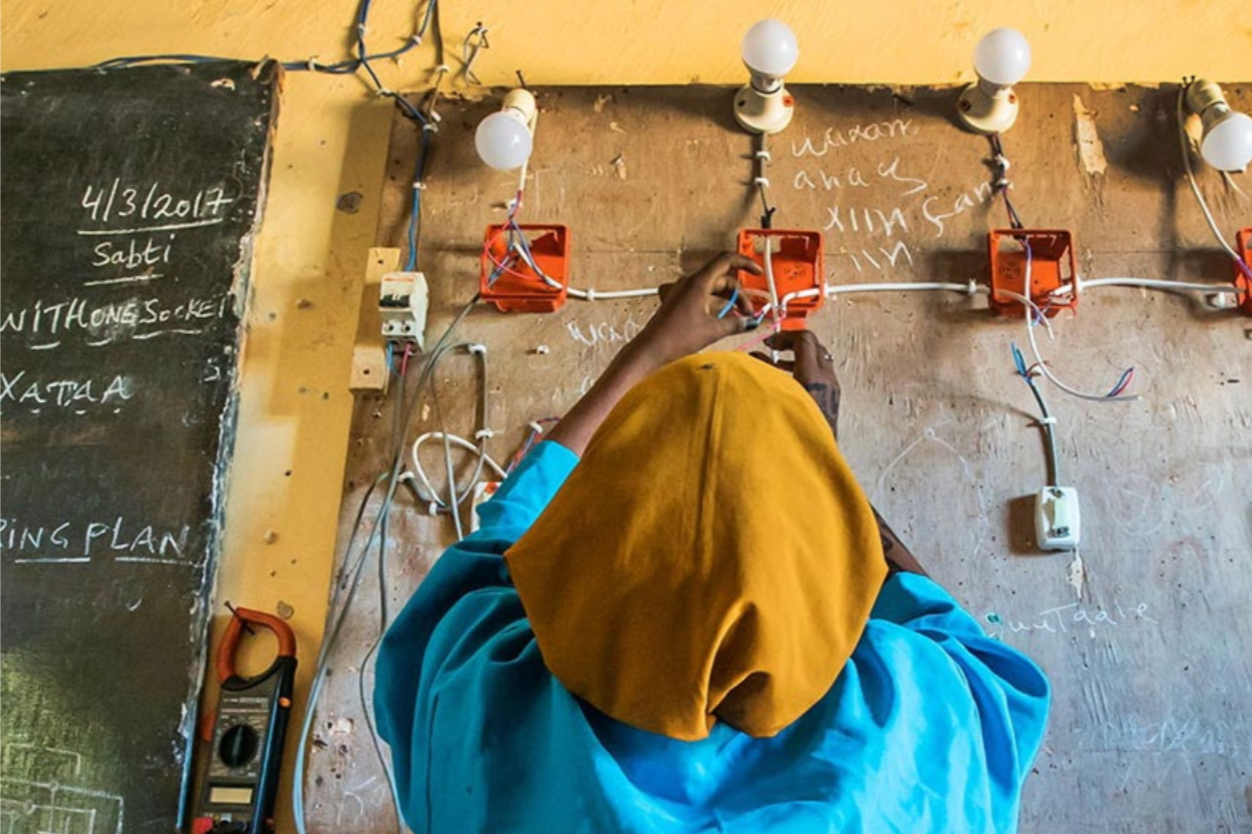
Social infrastructures of Protection in Somalia
Somali civilians have developed ways of reducing harm that formal institutions rarely see and cannot easily replicate. This paper examines those protective systems through a study of interventions led by a Somali peacebuilding organisation.
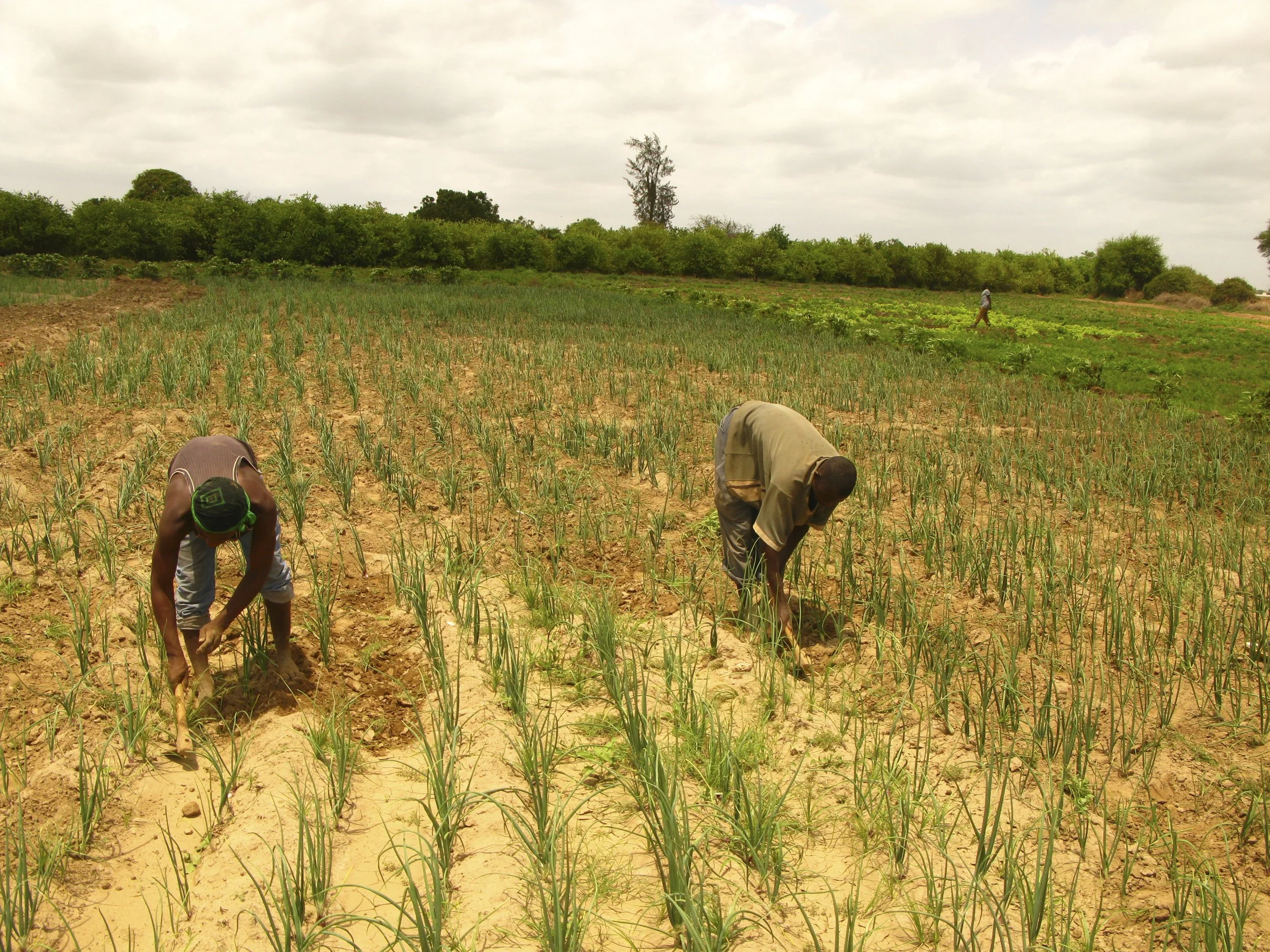
Al-Shabaab, Food Insecurity, Humanitarian Access and Protection of Civilians in Somalia
With 6.5 million Somalis facing acute food insecurity and Al-Shabaab controlling or contesting large parts of south-central Somalia, the gap between humanitarian need and humanitarian response has never been more consequential. This paper examines why the formal aid system has largely failed to reach populations in Al-Shabaab areas, and argues that the primary driver is not the group's behaviour but the system's own operational choices.
Drawing on interviews with humanitarian actors, donors and individuals close to Al-Shabaab, the paper traces how counter-terrorism frameworks, risk-averse funding models and alignment with the Somali government have entrenched an assumption that access is impossible — one the evidence does not support. It sets out a practical path forward: restoring perceived neutrality, resourcing access as a core function, and building the strategic humanitarian diplomacy needed to support the frontline engagement that is already, quietly, happening.

Somalia’s isbaaro: Checkpoints and world-making beyond the state
This working paper examines the dynamics of checkpoint authority in Somalia, focusing on how kinship, mobility and checkpoint practices intersect to shape political and social orders. The paper argues that checkpoints in Somalia—or isbaaro as they are locally called—are deeply embedded in the social fabric of clan society, where the practice of abanship—the brokerage of passage through clan territory—plays a crucial role. This brokerage not only facilitates trade but also reinforces clan identity and social differentiation

Roadblocks and revenues: the politics of passage
From Afghanistan and Yemen and from Mali to Somalia, checkpoints are central to dynamics of armed conflict, funding insurgents, driving violence and shaping governance by various types of armed actors, state and non-state alike. A new working paper series on roadblocks and revenues sheds lights on checkpoints in conflict contexts across the world and provides a new window into dynamics of authority and power.
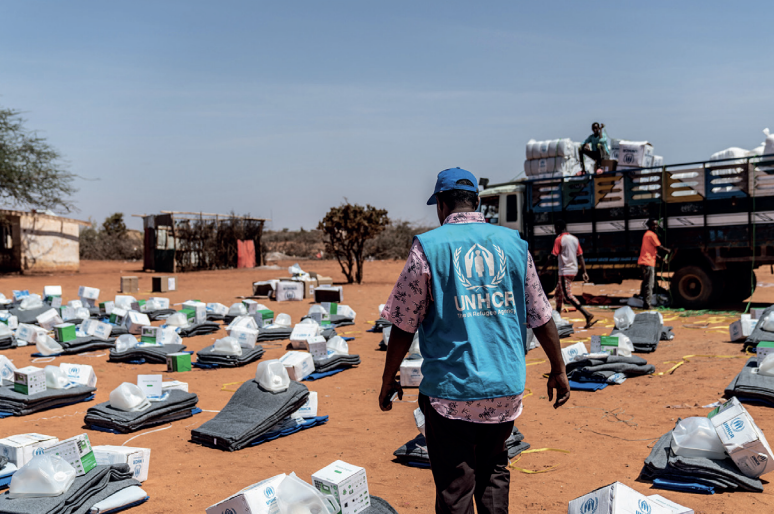
Time for change: the normalization of corruption and diversion in the humanitarian sector
Although the aid sector often treats corruption and diversion as an anomaly, they are pervasive, systemic and often unwittingly perpetuated by standard aid sector practices. Drawing primarily on evidence from Somalia and Afghanistan (with reference to other contexts), this paper explores the specific aid practices that enable and perpetuate corruption and diversion, and what donors and implementers should be doing differently.

Citizens without states: the implications of non-recognition for people in de facto states
This paper examine the impact of non-recognition of de facto authorities on the people living in these territories. Arguing that the negative social, economic and well being impacts are profound, it urges for a re-think approaches to de facto authority.

Playing the long game: exploring the relationship between Al-Shabab and civilians in areas beyond state control
Based on extensive research in Al-Shabab controlled areas of Somalia, this paper explores dynamics between Al-Shabab and those who live under their control.

Rethinking armed group control
Prevailing understandings of control – which focus on territorial dividing lines and acts of violence – are incomplete. Our paper argues that armed group control should instead be broken down according to how armed groups seek to influence populations.