
Climate governance beyond the state
Fifteen of the twenty-five states most vulnerable to climate change, and the least ready to adapt to it, are conflict-affected.
What does adaptation look like there?

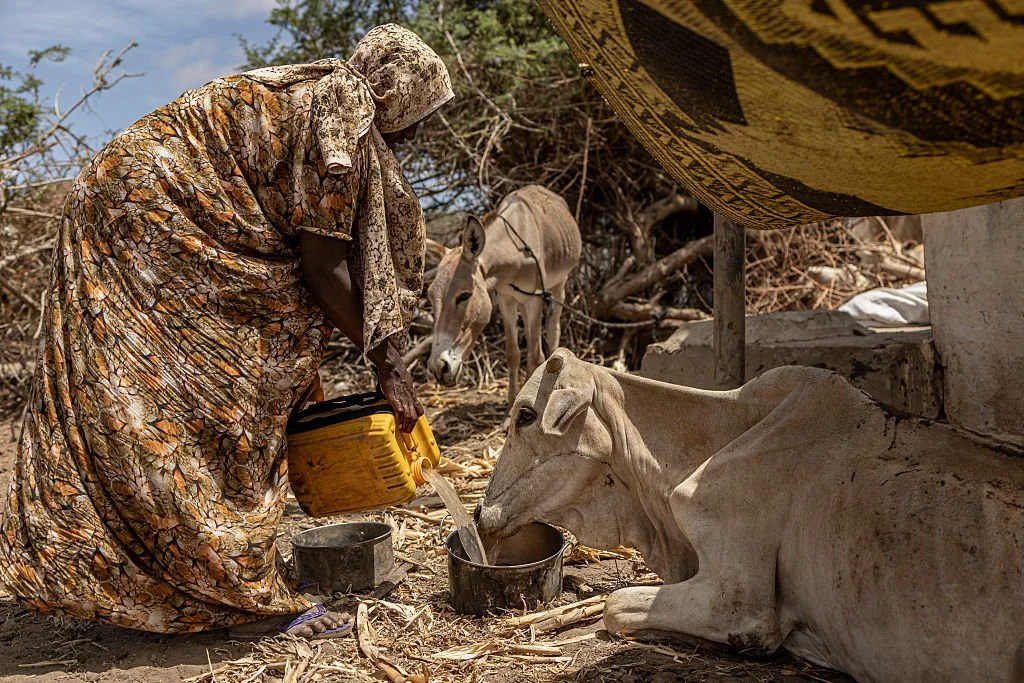
Adaptation is already happening
Communities in conflict-affected areas have always had to respond to climate risk without much help. They shift grazing routes, change what they plant, pool resources and move when staying is no longer viable.
Armed actors and de facto authorities are also responding, albeit for different reasons. Rules are being written and enforced where no state reaches.
The starting point is understanding what is already happening, who it serves, and how it could work better for the people living there.
No two contexts are alike
What adaptation looks like in these areas, and what support is feasible, depends on the specific armed actors involved, the governance arrangements they have established, and the conflict dynamics around them.
Even within a single country, access varies.
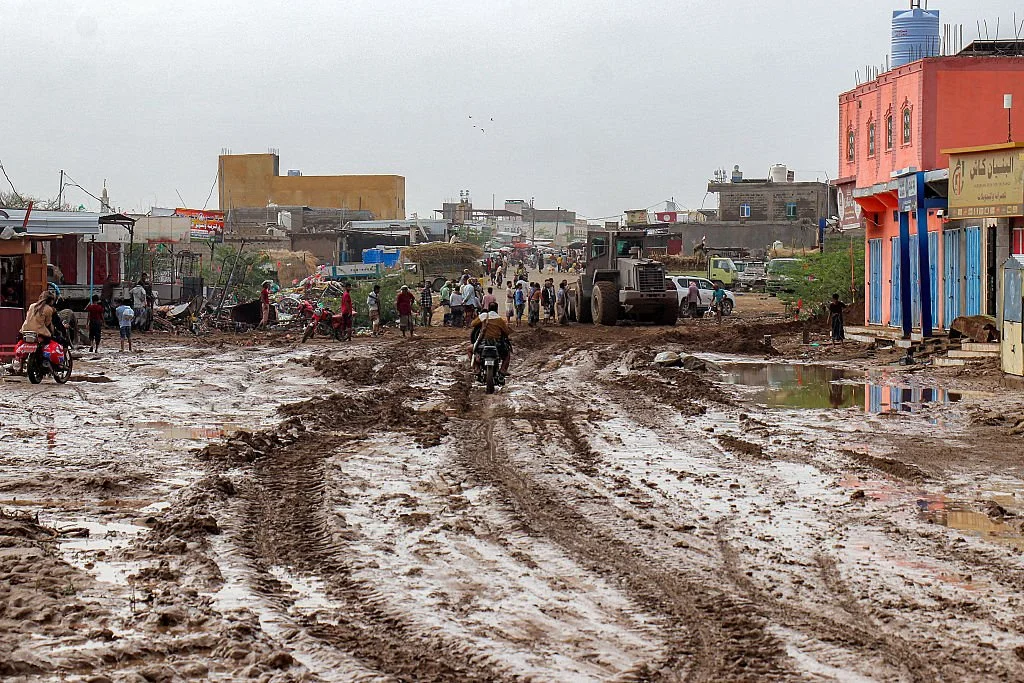
Where we work
Our research sets out what is feasible, context by context.
Somalia
Climate finance stops where government control ends.
Yemen
(placeholder text)
Further reading
November 2023
(Summary briefing placeholder)
September 2026