
Children’s access to essential services
This research report explores the perceptions, motives, and practices of non-state armed groups and de facto authorities regarding children’s access to essential services across four case-studies: Mali, Myanmar, the Occupied Palestinian Territory and Yemen.
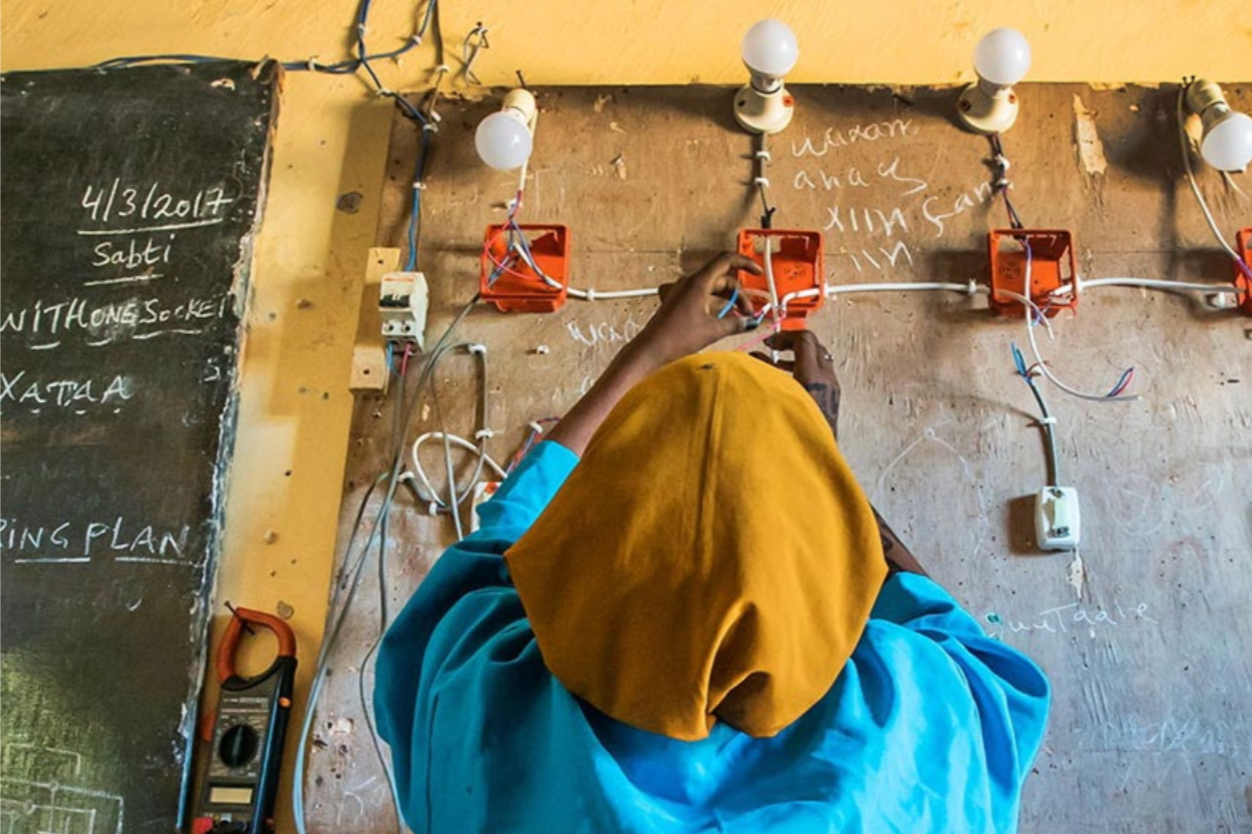
Social infrastructures of Protection in Somalia
Somali civilians have developed ways of reducing harm that formal institutions rarely see and cannot easily replicate. This paper examines those protective systems through a study of interventions led by a Somali peacebuilding organisation.
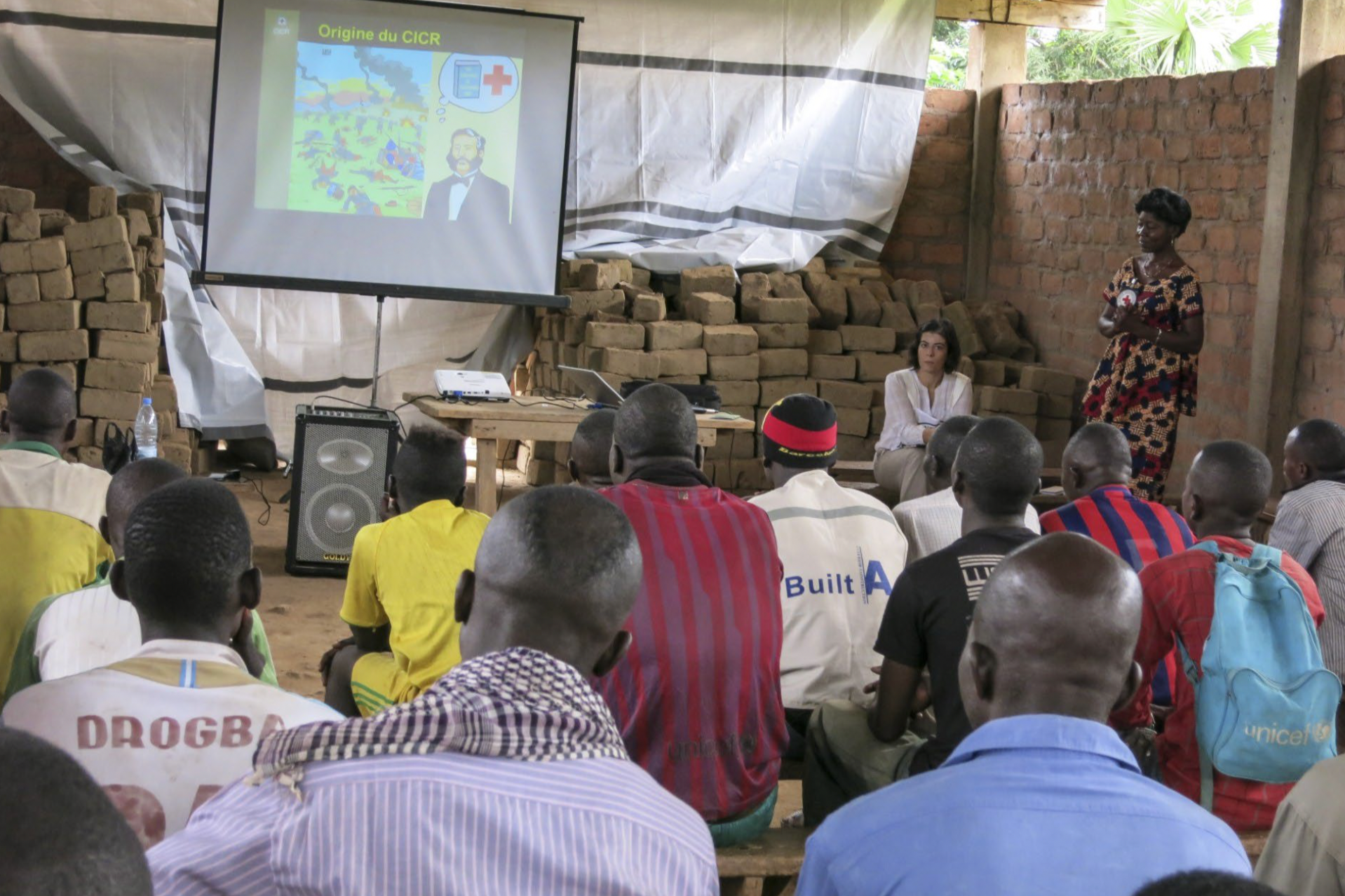
Linking humanitarian diplomacy and peace
This research report explores evidence from humanitarian and peace process support in southern Thailand and the Central African Republic, and explores whether and how humanitarian diplomacy with armed groups can advance peace without undermining humanitarian principles.

The missing piece in the humanitarian reset: Humanitarian diplomacy with armed groups
The UN's Humanitarian Reset calls for 'enhanced humanitarian diplomacy' but offers few specifics on what that means. Drawing on frontline evidence from southern Thailand and the Central African Republic, this piece argues that sustained, principled engagement with armed groups can build trust, reduce violence, and open space for broader political dialogue — but only if donors fund it as a core function, not an afterthought.
Grassroots Deals, Not International Processes, Offer South Sudan Its Best Hope for Peace
South Sudan's civil war has left rebels without arms or foreign backers, and its 2018 peace deal in tatters. Joshua Craze argues that the Nuer white armies — democratic, community-rooted militias — offer a more durable foundation for peace than the internationally brokered processes that enriched Juba's elite.

Urbicide in Khartoum: An Analysis of the Al-Amarat and Mayo Neighbourhoods, 2023–24
This report investigates how the war in Sudan is transforming Khartoum through acts of urbicide, the deliberate destruction of urban environments. It draws on satellite imagery, eyewitness testimony, and analysis of conflict dynamics to show how the deliberate tactics of the Rapid Support Forces and the Sudanese Armed Forces have reshaped the capital’s geography. The paper highlights explores how spatial control, infrastructure destruction, looting, and the targeting of symbolic and civilian spaces have become key tactics of the war.

Inviting non-state armed groups to the table: inclusive strategies towards a more fit for purpose IHL
Millions around the globe are affected by the actions of non-state armed groups. Like states, NSAGs are bound by IHL but have no voice in shaping it. This Brief proposes a strategic model aimed at the progressive inclusion of NSAGs in humanitarian norm development processes.