

Choking points: opium flows, roadblocks and illicit finance in Burma’s Shan State
The flow of opium presented unique opportunities and challenges for the Burmese armed groups interested in profiting from its concentrated wealth. In this working paper, John Buchanan explores the emerging features of armed group predation tied to the explosive growth of Shan State’s opium sector from the 1950s to the 1990s.

The border business: a political economy analysis of checkpoint taxation in Afghanistan
Checkpoints and the transit taxes that can be levied at them have been central to the vagaries of Afghan state formation and conflict—and are crucial to understand the rise to power of the Taliban. In this new working paper Sarajuddin Isar posits that checkpoint taxation is a key means of creating and negotiating rents between state and non-state actors, driving political settlements and conflict.

Roadblocks and revenues: the politics of passage
From Afghanistan and Yemen and from Mali to Somalia, checkpoints are central to dynamics of armed conflict, funding insurgents, driving violence and shaping governance by various types of armed actors, state and non-state alike. A new working paper series on roadblocks and revenues sheds lights on checkpoints in conflict contexts across the world and provides a new window into dynamics of authority and power.
Time for change: the normalization of corruption and diversion in the humanitarian sector
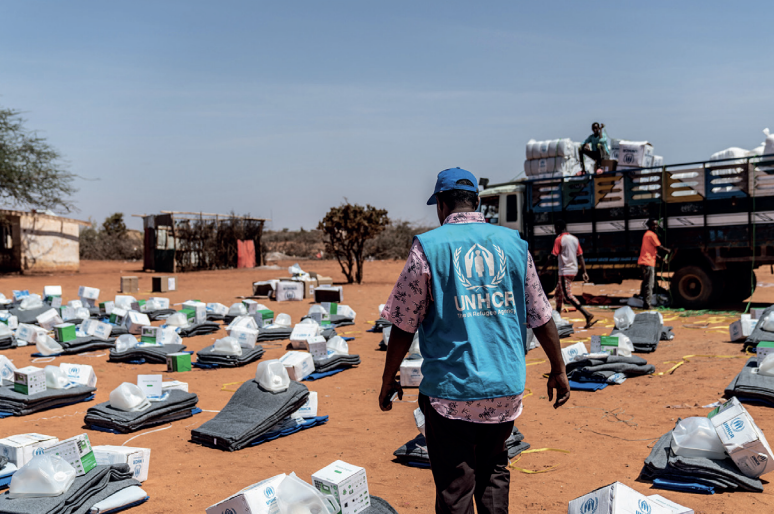
Although the aid sector often treats corruption and diversion as an anomaly, they are pervasive, systemic and often unwittingly perpetuated by standard aid sector practices. Drawing primarily on evidence from Somalia and Afghanistan (with reference to other contexts), this paper explores the specific aid practices that enable and perpetuate corruption and diversion, and what donors and implementers should be doing differently.

“Never say never:” learning lessons from Afghanistan reviews
This “review of reviews” looks at how and what Western governments and international organisations have tried to learn from the intervention in Afghanistan.
Transferring climate funds to conflict zones
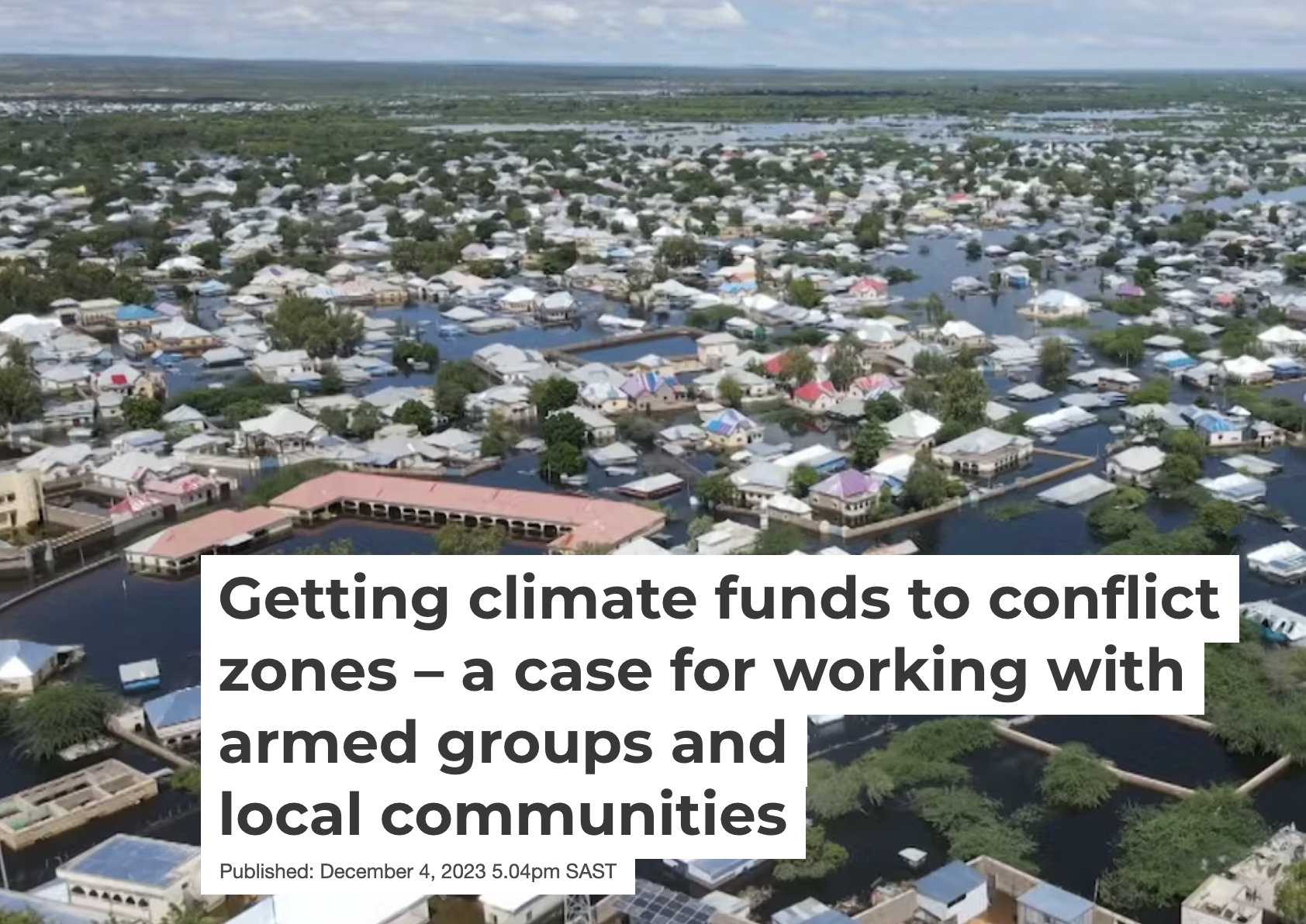
Conflict-ridden and fragile countries are among the most vulnerable to climate change and least prepared to deal with it. They are largely excluded from climate adaptation programmes and funding. This article charts a path forward on how to address climate adaptation in conflict zones.

Resist, negotiate, submit? Civilian agency and jihadism in Central Mali
This paper examines life under jihadist groups like JNIM in Mali, looking at the different survival strategies civilians employ.

Climate adaptation in no-man's land: bridging the conflict-climate gap
This paper examines climate change and armed groups, specifically the failure the address climate adaptation in areas beyond state control.

The Gaza effect: how the Israel-Hamas war is shaping armed group behavior and the prospects of engagement
This rapid analysis look at the impact of the the Israel-Hamas war on the behaviour of armed groups, and constraints on engaging with them

Citizens without states: the implications of non-recognition for people in de facto states
This paper examine the impact of non-recognition of de facto authorities on the people living in these territories. Arguing that the negative social, economic and well being impacts are profound, it urges for a re-think approaches to de facto authority.