

A Fracturing Order
This discussion paper examines how the international order that once contained armed conflict is fracturing across multiple, simultaneous dimensions. Drawing on cases spanning Sudan, Myanmar, Yemen, the Sahel, and Ukraine, the paper argues that these compounding failures have given armed groups and de facto authorities far greater freedom and resources than most analysts anticipated.
The paper identifies four cross-cutting dynamics reshaping this landscape: the breakdown of the classic patron-proxy model into fragmented, multi-patron brokerage networks; the growing economic and infrastructural power of armed groups, who now govern revenue streams, trade routes, and services independent of external backers; the retreat of international norm enforcement in favour of local, informal bargaining; and the weaponisation of misinformation to derail negotiations and access agreements. On this basis, the paper calls for a fundamental shift in how donors and practitioners approach engagement.

Governing routes across the contested Sahara: Checkpoints and the political economy of trans-Saharan trade around Kufrah
What kind of authority is built at a desert checkpoint? This paper examines how control over movement around Kufrah, in southeastern Libya near the borders with Sudan and Chad, turns checkpoints into institutions of rule, where armed actors tax passage, define legitimate trade, exclude rivals, and shape the logistics of regional war.

War over Checkpoints: Nine theses on roadblocks and the politics of circulation in conflict-affected borderlands
Drawing on research in Chad, DR Congo, Libya, Myanmar, South Sudan, West Africa and Yemen, this Working Paper challenges narrow readings of roadblocks as security devices or sites of corruption. Instead, it conceptualises them as politically and economically generative nodes through which authority is exercised, rents are extracted and redistributed, markets are shaped, and conflict is financed.

Urbicide in Khartoum: An Analysis of the Al-Amarat and Mayo Neighbourhoods, 2023–24
This report investigates how the war in Sudan is transforming Khartoum through acts of urbicide, the deliberate destruction of urban environments. It draws on satellite imagery, eyewitness testimony, and analysis of conflict dynamics to show how the deliberate tactics of the Rapid Support Forces and the Sudanese Armed Forces have reshaped the capital’s geography. The paper highlights explores how spatial control, infrastructure destruction, looting, and the targeting of symbolic and civilian spaces have become key tactics of the war.
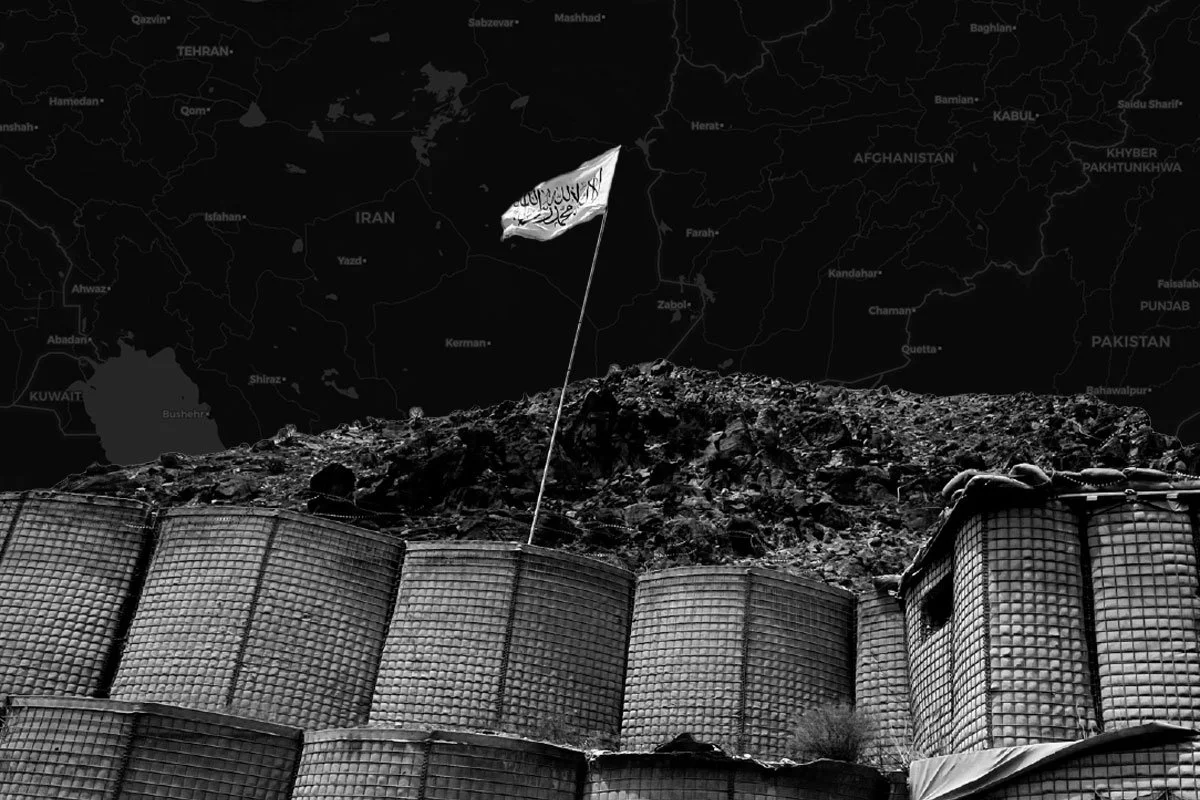
Unlikely Allies: Engaging armed groups for the protection of cultural heritage
This findings report explores why and how armed groups engage with cultural heritage, offering new tools and insights for cultural protection in conflict zones.
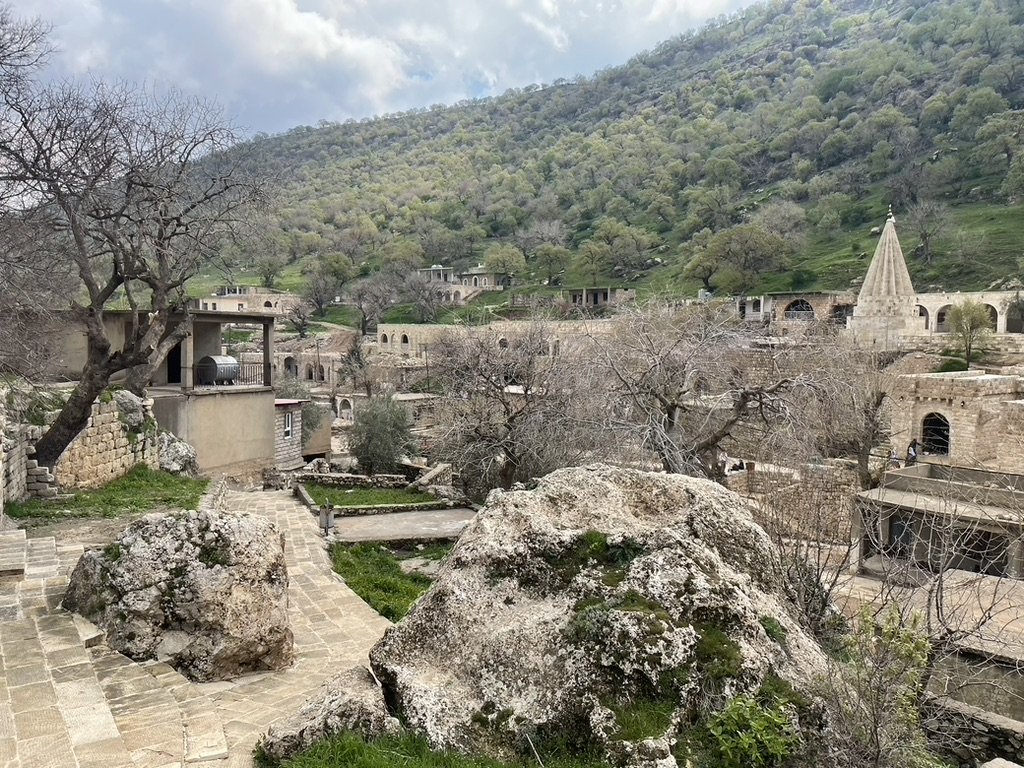
Strategies for engaging armed groups in cultural heritage protection
This briefing presents strategies for engaging armed groups on cultural heritage protection, focusing on risk management, community engagement, and practical tools for culturally sensitive programming in conflict zones.
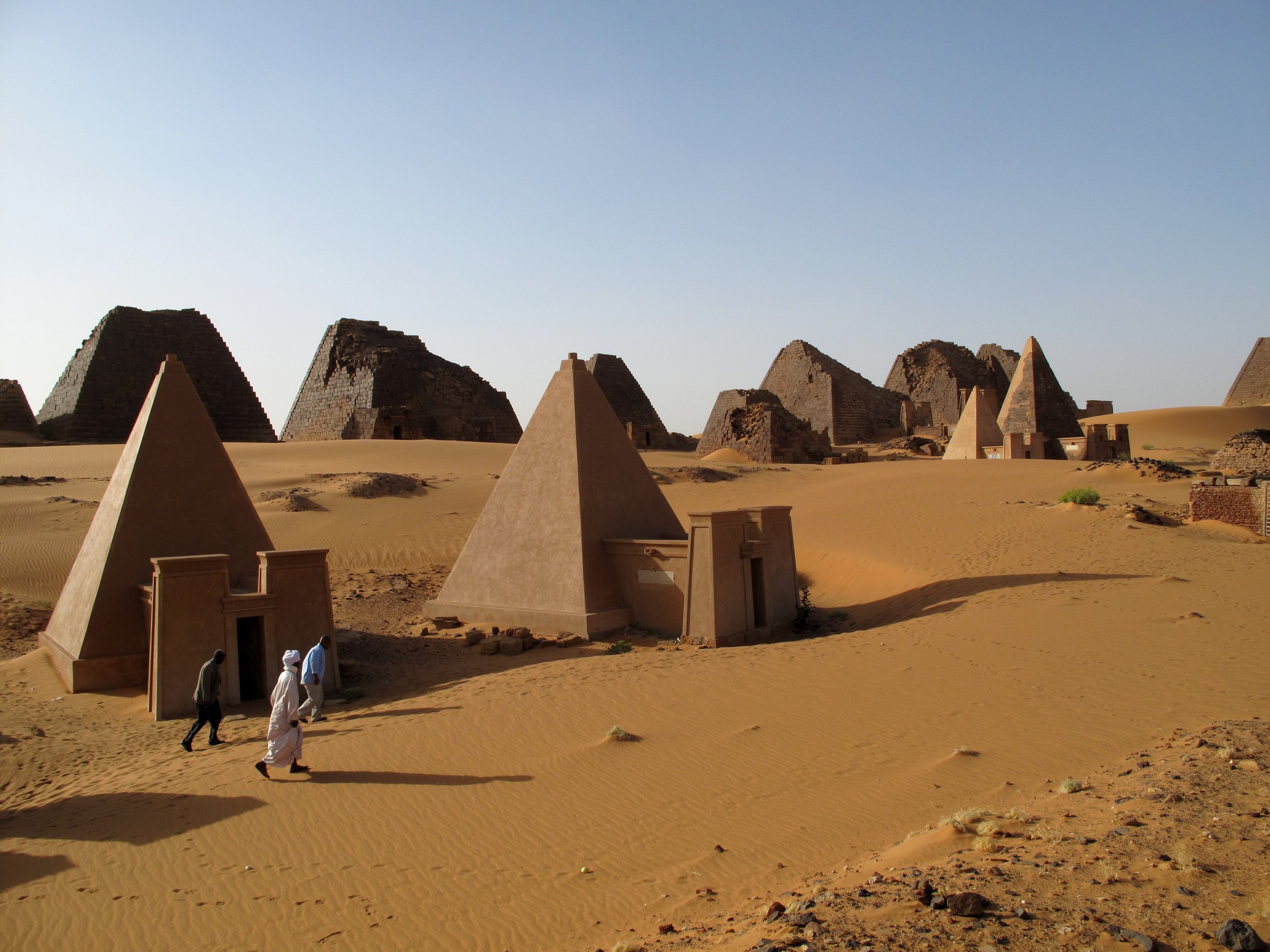
Motivations of armed groups to protect cultural heritage
This briefing note explores why armed groups protect or destroy cultural heritage, highlighting ideological, political, and contextual factors that shape their behaviour. It offers insights to inform targeted engagement strategies in conflict zones.

Capacity building for engagement with non-state armed groups and de facto authorities
This briefing outlines barriers and solutions to building capacity for engaging armed groups and de facto authorities in protecting cultural heritage. It calls for better tools, partnerships, and recognition of heritage protection as a core humanitarian concern.

Fostering peace through dialogue on culture
This briefing explores how cultural heritage can open dialogue with armed groups and de facto authorities in conflict zones, drawing on case studies from Afghanistan, Mali, Myanmar, Sudan, and Syria. It highlights cultural heritage as a potential tool for peacebuilding and recommends strategies to bridge cultural and political engagement.

Islands in the storm: civilian survival deals with the warring parties in Sudan
This paper examines how Sudanese civilians, facing widespread violence from the ongoing conflict between the Sudanese Armed Forces (SAF) and Rapid Support Forces (RSF), have been compelled to negotiate survival strategies with warring factions. This report highlights the shift in Sudan’s power struggle, which has devolved from a national conflict into highly localized battles, particularly in Darfur. In response, local community leaders and power brokers have facilitated fragile truces to provide temporary protections, allow for trade, and secure safe passage for civilians.