
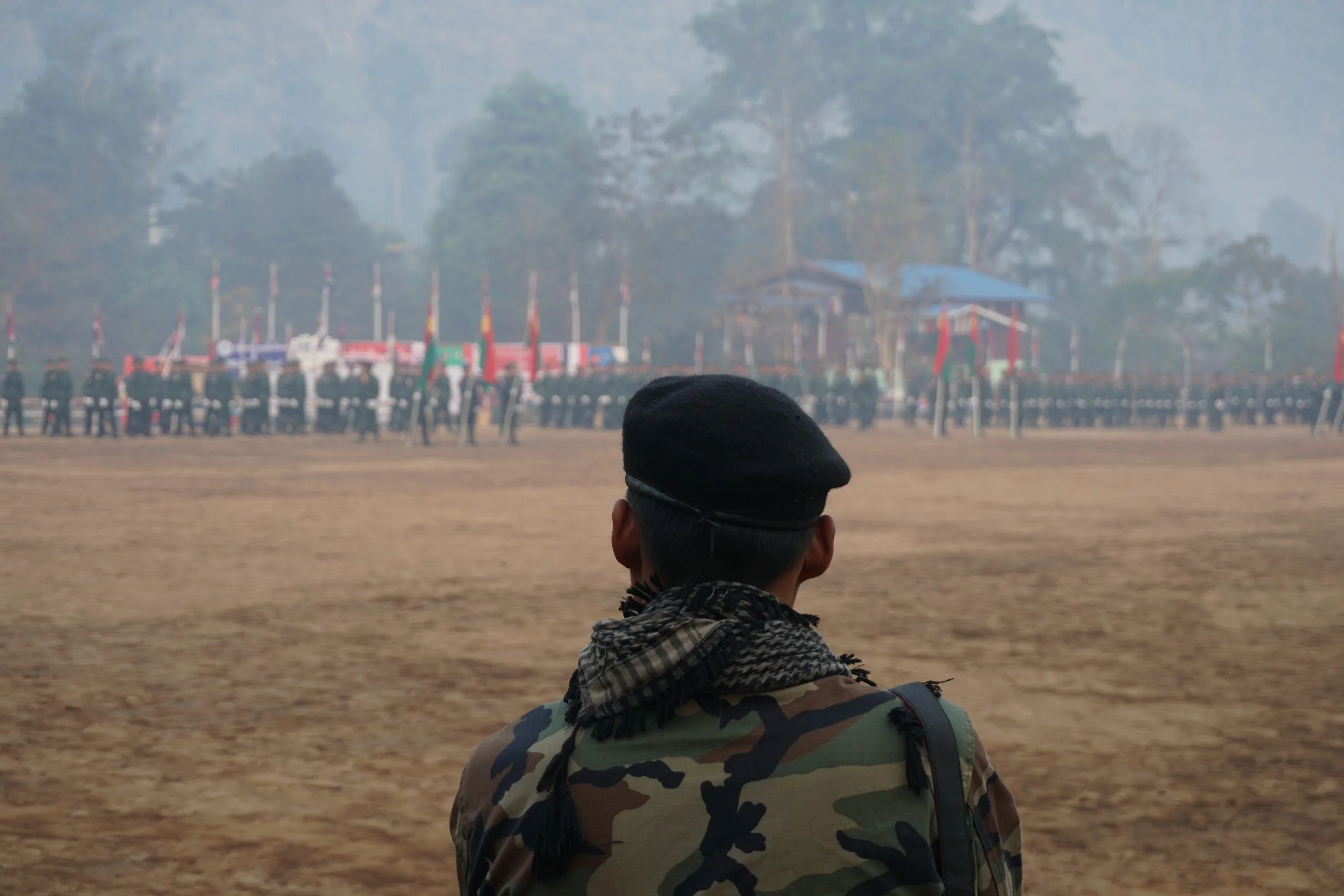
Funding the People's Defence Forces in Myanmar
This report examines how Myanmar’s anti-coup resistance movement is being financed, offering a comprehensive analysis of how the People’s Defence Forces (PDFs) sustain themselves economically. Drawing on dozens of interviews with resistance actors, civil society, and international stakeholders, it sheds light on the diverse fundraising methods, ranging from crowdfunding to natural resource taxation, and explores how these practices are reshaping local governance, political legitimacy, and the broader trajectory of Myanmar’s war. The report confronts complex dilemmas around accountability, aid diversion, and international support, offering critical practical and operational insights.

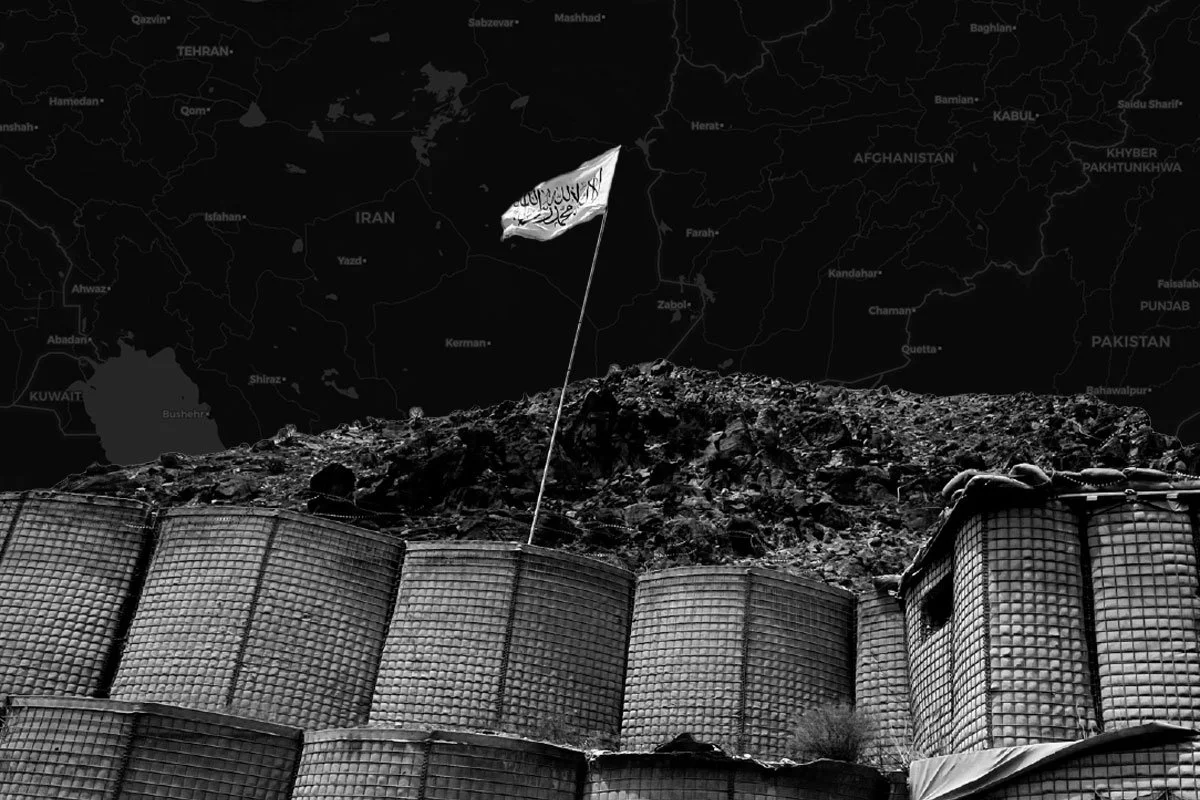
Unlikely Allies: Engaging armed groups for the protection of cultural heritage
This findings report explores why and how armed groups engage with cultural heritage, offering new tools and insights for cultural protection in conflict zones.

Engaging de facto authorities & armed groups on cultural heritage protection in Syria
This Syria case study explores how engaging de facto authorities on cultural heritage protection can support peacebuilding and reconciliation. It examines HTS’s evolving approach to heritage and offers practical engagement strategies.
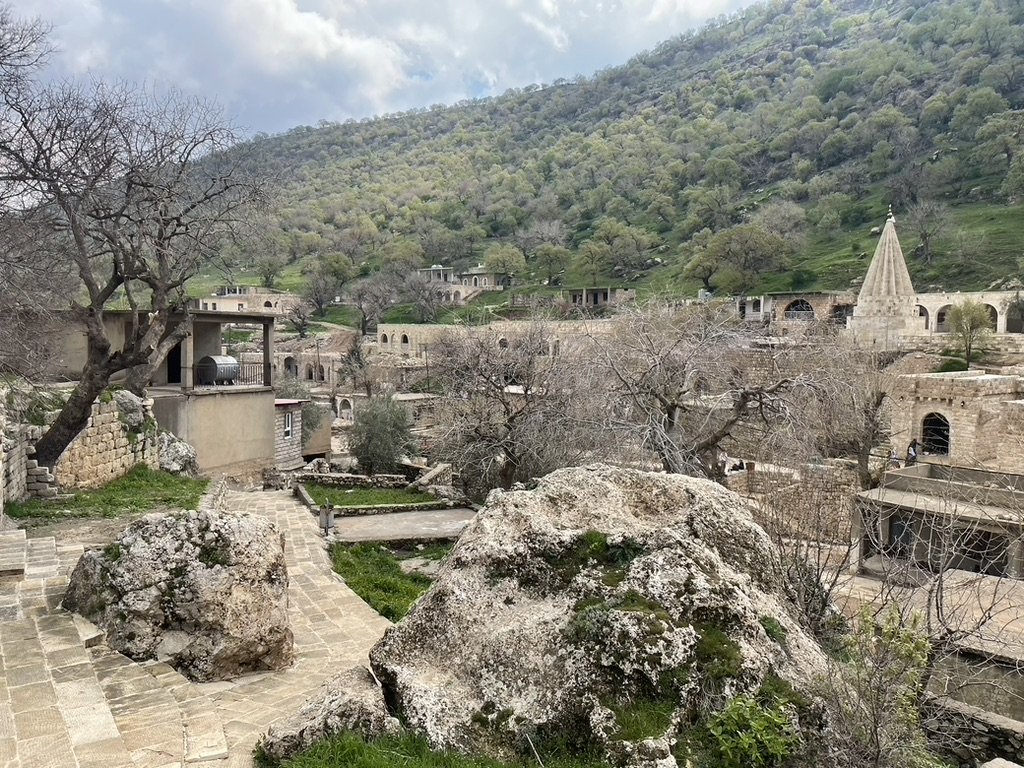
Strategies for engaging armed groups in cultural heritage protection
This briefing presents strategies for engaging armed groups on cultural heritage protection, focusing on risk management, community engagement, and practical tools for culturally sensitive programming in conflict zones.
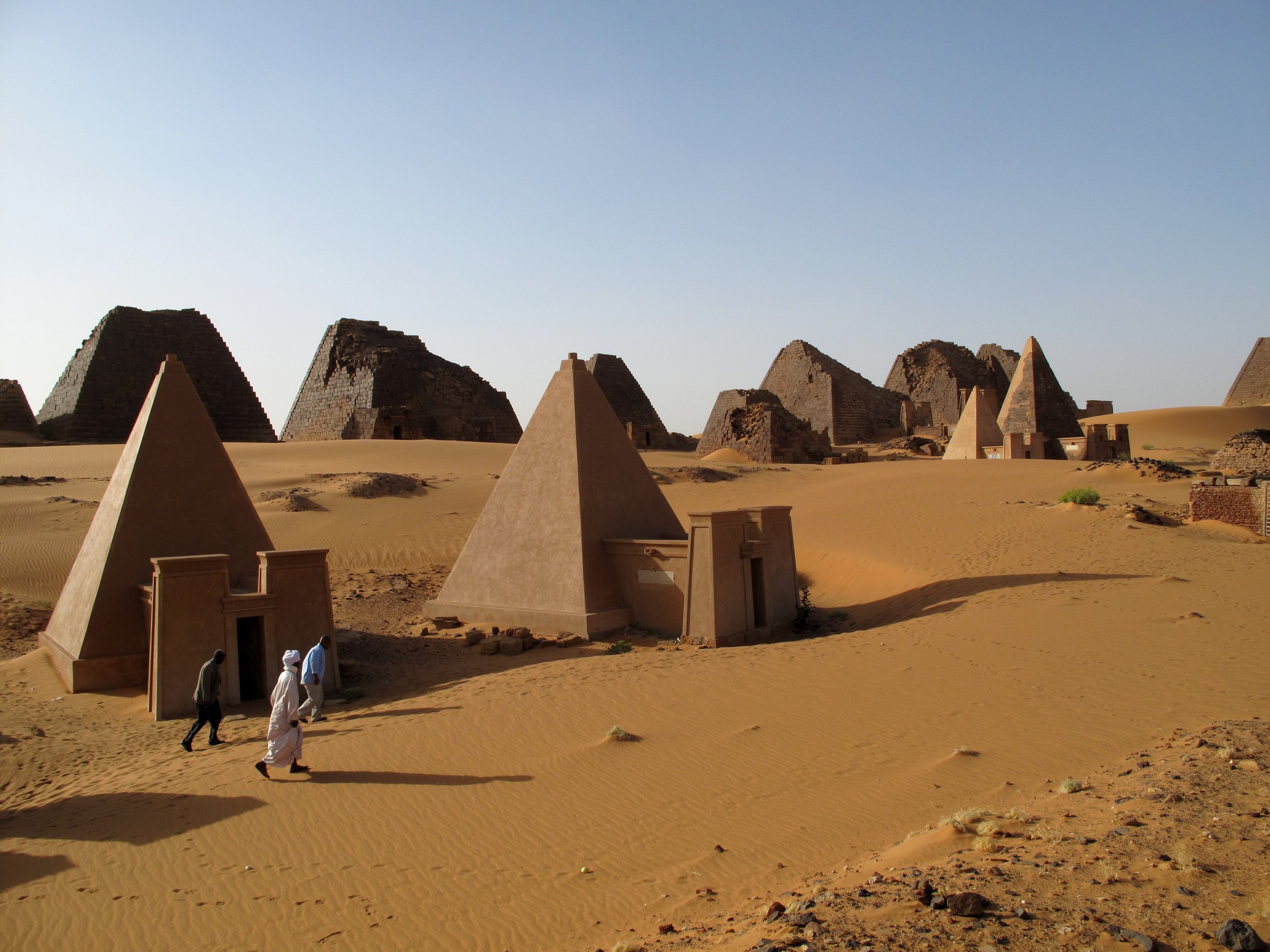
Motivations of armed groups to protect cultural heritage
This briefing note explores why armed groups protect or destroy cultural heritage, highlighting ideological, political, and contextual factors that shape their behaviour. It offers insights to inform targeted engagement strategies in conflict zones.

Capacity building for engagement with non-state armed groups and de facto authorities
This briefing outlines barriers and solutions to building capacity for engaging armed groups and de facto authorities in protecting cultural heritage. It calls for better tools, partnerships, and recognition of heritage protection as a core humanitarian concern.

Fostering peace through dialogue on culture
This briefing explores how cultural heritage can open dialogue with armed groups and de facto authorities in conflict zones, drawing on case studies from Afghanistan, Mali, Myanmar, Sudan, and Syria. It highlights cultural heritage as a potential tool for peacebuilding and recommends strategies to bridge cultural and political engagement.

Inviting non-state armed groups to the table: inclusive strategies towards a more fit for purpose IHL
Millions around the globe are affected by the actions of non-state armed groups. Like states, NSAGs are bound by IHL but have no voice in shaping it. This Brief proposes a strategic model aimed at the progressive inclusion of NSAGs in humanitarian norm development processes.
Checkpoints, Transnational Trade, and Conflict
This Working Paper proposes that checkpoints along transnational trade routes are central to conflict economies, facilitating the extraction of rents by armed groups without the need for extensive territorial control or bargaining with local populations. In addition, the paper explores the distributional impacts of checkpoint taxation.