
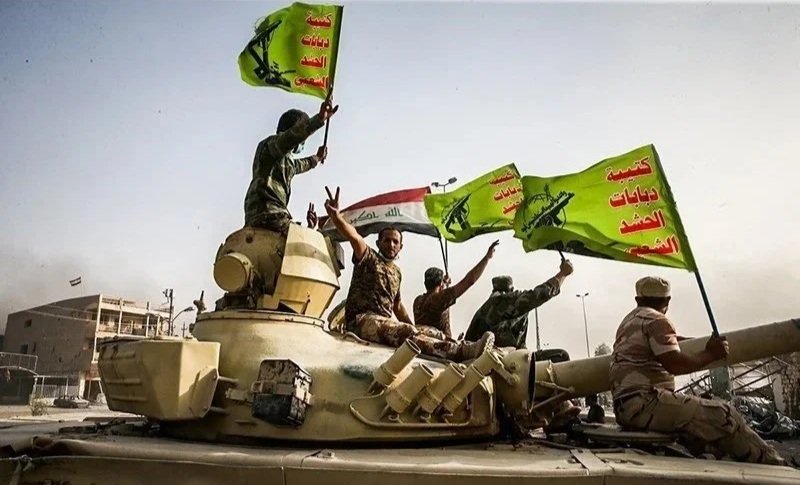
Iraq's PMF integration paradox: competing visions for a future within the Iraqi state
Dr Inna Rudolf outlines the contestations surrounding debates on the PMF’s integration with Iraq’s formal state apparatus, including factional differences, ideological roots, and transnational alliances.

A Fracturing Order
This discussion paper examines how the international order that once contained armed conflict is fracturing across multiple, simultaneous dimensions. Drawing on cases spanning Sudan, Myanmar, Yemen, the Sahel, and Ukraine, the paper argues that these compounding failures have given armed groups and de facto authorities far greater freedom and resources than most analysts anticipated.
The paper identifies four cross-cutting dynamics reshaping this landscape: the breakdown of the classic patron-proxy model into fragmented, multi-patron brokerage networks; the growing economic and infrastructural power of armed groups, who now govern revenue streams, trade routes, and services independent of external backers; the retreat of international norm enforcement in favour of local, informal bargaining; and the weaponisation of misinformation to derail negotiations and access agreements. On this basis, the paper calls for a fundamental shift in how donors and practitioners approach engagement.
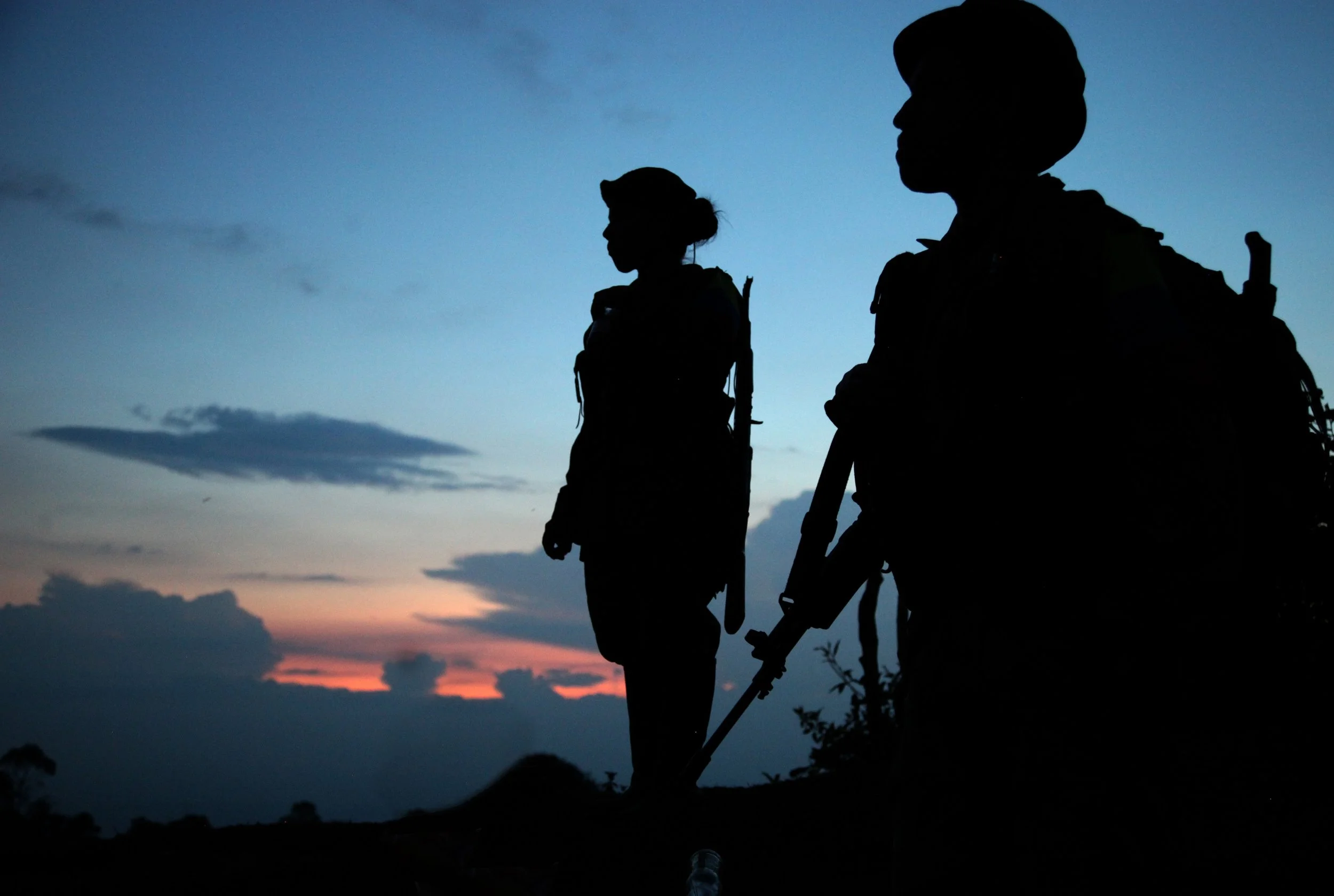
Why female fighters' wartime gains rarely survive the peace
Hilary Matfess on why armed groups so often abandon wartime promises to women after peace, what Rwanda's RPF and Syria's HTS reveal about postwar gender politics, and what policymakers should do differently as patriarchal backlash intensifies.
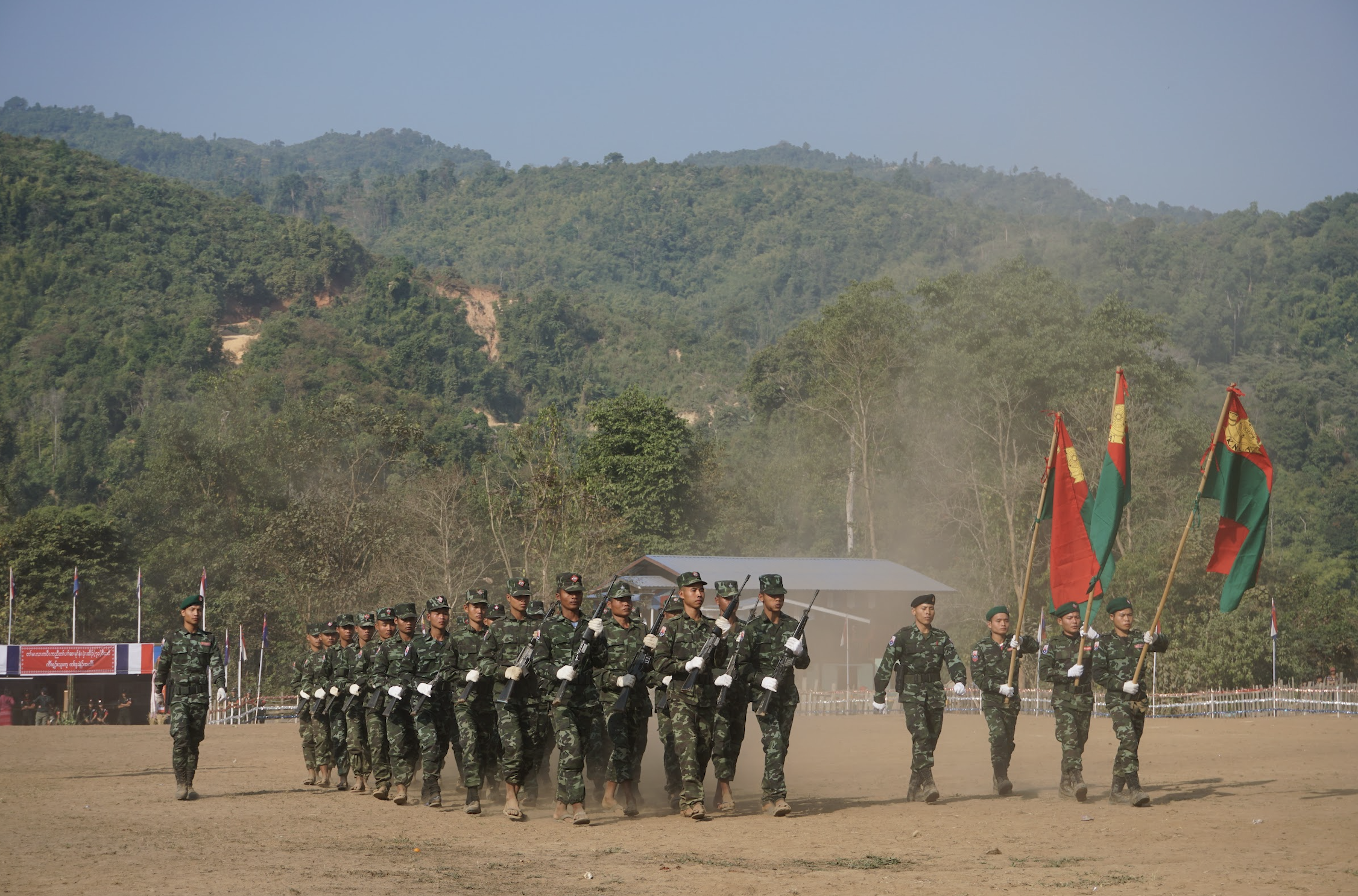
Fighting Under the Drones: PDFs and Myanmar’s War of Endurance
This briefing note shows Myanmar’s conflict entering a critical phase, where resistance forces face growing pressure but continue to adapt, even as the war becomes a prolonged and uncertain contest of endurance.

Armed Group Economic Policy: Towards a New Research Agenda
From Myanmar to Somalia, armed groups are shaping markets, setting economic rules, and pursuing international economic relations. This report challenges the narrow focus on illicit finance, showing how armed groups around the world regulate trade, allocate resources, and govern everyday economic life—sometimes more effectively than the state. Combining insights into four case studies and a comparative analytical framework, the report offers a new lens for understanding how non-state actors structure economies during conflict. For development economists, peacebuilders, and humanitarians, understanding these systems is essential. Effective aid, realistic economic policy, and meaningful engagement with conflict-affected areas all require a grounded view of how armed groups govern economies in practice.

Towards a deeper understanding of Myanmar’s People’s Defence Forces
This report explores how Myanmar’s armed resistance has evolved since the 2021 coup, focusing on eight People’s Defence Forces (PDFs) across the country. These include Autonomous Battalions like the Mandalay PDF and Bamar People’s Liberation Army—powerful, Bamar-led groups that work independently but maintain key alliances. It also examines Integrated Battalions, deeply tied to ethnic armed groups, like the Karenni Nationalities Defence Force (KNDF). In addition, the report covers mid-capacity Allied Battalions like CDF–Mindat, ABSDF, SAF, and PLA, which operate alongside ethnic forces while keeping some autonomy. Finally, it looks at Localised Battalions that may shift closer to allied status if support increases, such as the Southern Shan PDF. This report explores how Myanmar’s armed resistance has evolved since the 2021 coup, focusing on eight People’s Defence Forces (PDFs) across the country. The analysis includes Autonomous Battalions like the Mandalay PDF and Bamar People’s Liberation Army—powerful, Bamar-led groups that work independently but maintain key alliances. It also examines Integrated Battalions, deeply tied to ethnic armed groups, like the Karenni Nationalities Defence Force (KNDF). In addition, the report covers mid-capacity Allied Battalions like CDF–Mindat, ABSDF, SAF, and PLA, which operate alongside ethnic forces while keeping some autonomy. Finally, it looks at Localised Battalions that may shift closer to allied status if support increases, such as the Southern Shan PDF. Together, these case studies offer critical insight into the structure and fragmentation of Myanmar’s resistance—underscoring the need for context-specific engagement strategies rather than one-size-fits-all approaches.

Drone warfare and technological change in Myanmar
This briefing note shows that the widespread use of drones in Myanmar illustrates a technical and tactical shift for both the military (SAC) and resistance movements, reshaping how each side engages on the battlefield and responds to evolving capabilities. While resistance groups initially had a head start, they are now falling behind on the innovation curve and increasingly depend on low-cost adaptation to overcome resource constraints. The SAC, by contrast, has gained the upper hand through a newly acquired high-tech drone fleet drawing on Russian and Chinese technology. The decentralised and resource-limited nature of resistance drone warfare has spurred tactical innovation but also fragmented command structures, complicating efforts to scale coordinated operations. In addition, the report explores how the rise of drone warfare has opened up new roles for youth and women within resistance movements.

Shifting sands: Iran, the Axis of Resistance, and the war in Gaza
The war in Gaza has had deep implications for power dynamics in the Middle East. Iran’s regional power has been particularly impacted with an altering of the so-called ‘Axis of Resistance’, its network of allies across the region—including in Palestine, Lebanon, Iraq, Syria, and Yemen. This has had a considerable impact on Iran’s military capabilities in the current confrontation with Israel. To shed light on these developments, and what they mean for Iran and the balance of power in the region, we spoke with Centre on Armed Groups Fellow, Dr Fatima Moussaoui, a Middle East expert and lecturer at Sciences Po Paris, who explores these dynamics in her recent book, Iran’s Military Power Projection and the Empowerment of Ansar Allah.

The M23 crisis
M23’s offensive and capture of Goma have dominated recent coverage of the crisis in the eastern DRC. To unpack what’s happening on the ground — and what it means for the wider region — we spoke with Centre on Armed Groups Fellow Christoph Vogel, an academic, investigator, and writer who has spent more than 15 years researching armed conflict in the DRC. Christoph discusses M23’s end game, the regional power dynamics fueling the conflict, and what we might expect in the weeks and months ahead.