
Children’s access to essential services
This research report explores the perceptions, motives, and practices of non-state armed groups and de facto authorities regarding children’s access to essential services across four case-studies: Mali, Myanmar, the Occupied Palestinian Territory and Yemen.
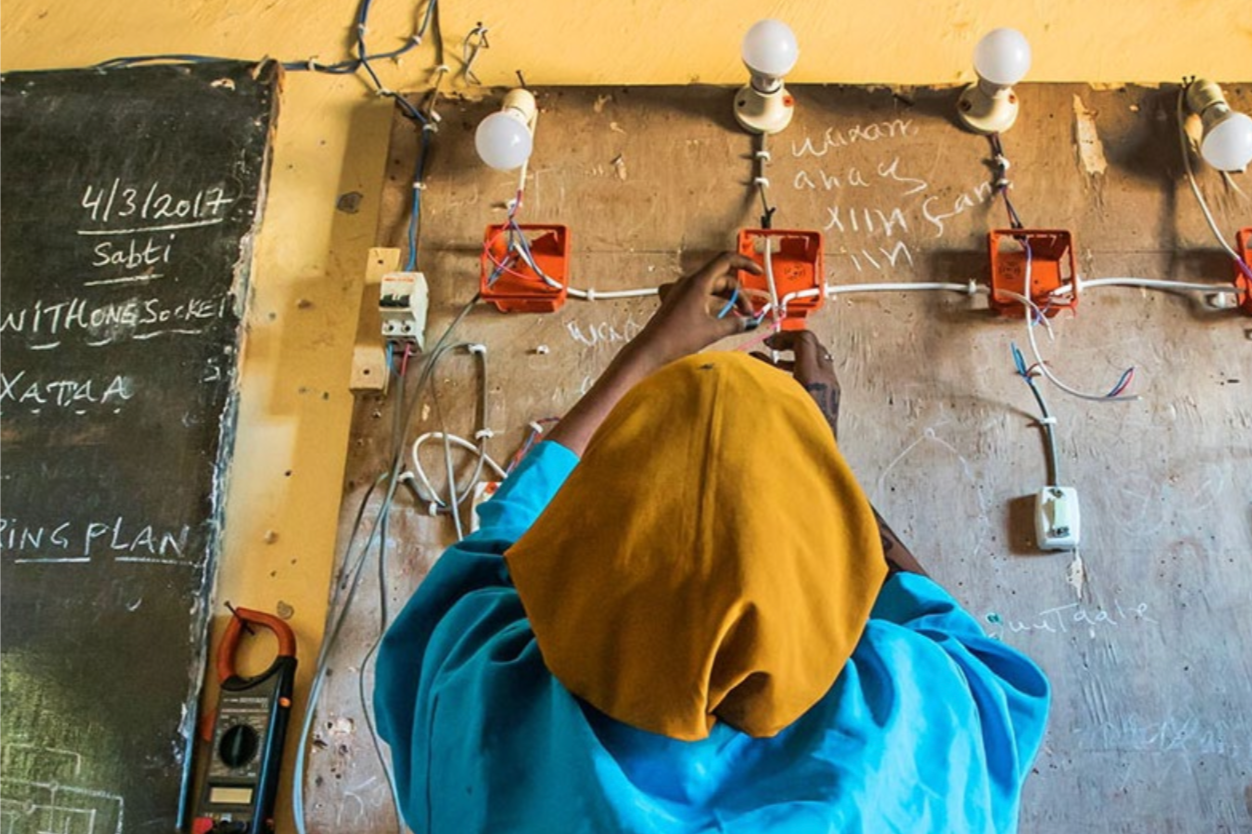
Social infrastructures of Protection in Somalia
Somali civilians have developed ways of reducing harm that formal institutions rarely see and cannot easily replicate. This paper examines those protective systems through a study of interventions led by a Somali peacebuilding organisation.

Checkpoints, transport, networks and armed conflict
Why are some checkpoints more violent than others? This paper examines how control over key transport routes shapes violence in conflict zones and affects civilian populations.
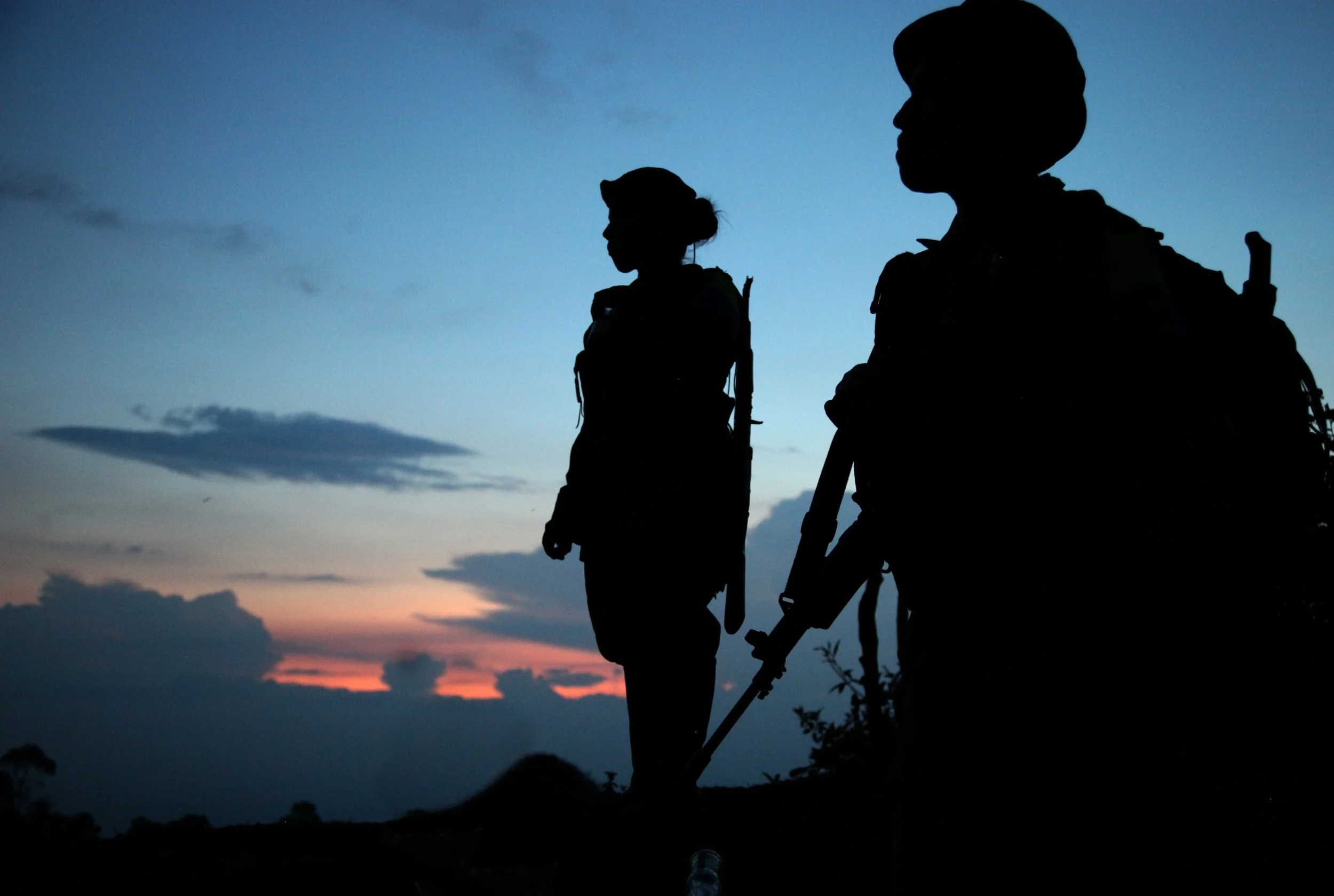
Why female fighters' wartime gains rarely survive the peace
Hilary Matfess on why armed groups so often abandon wartime promises to women after peace, what Rwanda's RPF and Syria's HTS reveal about postwar gender politics, and what policymakers should do differently as patriarchal backlash intensifies.
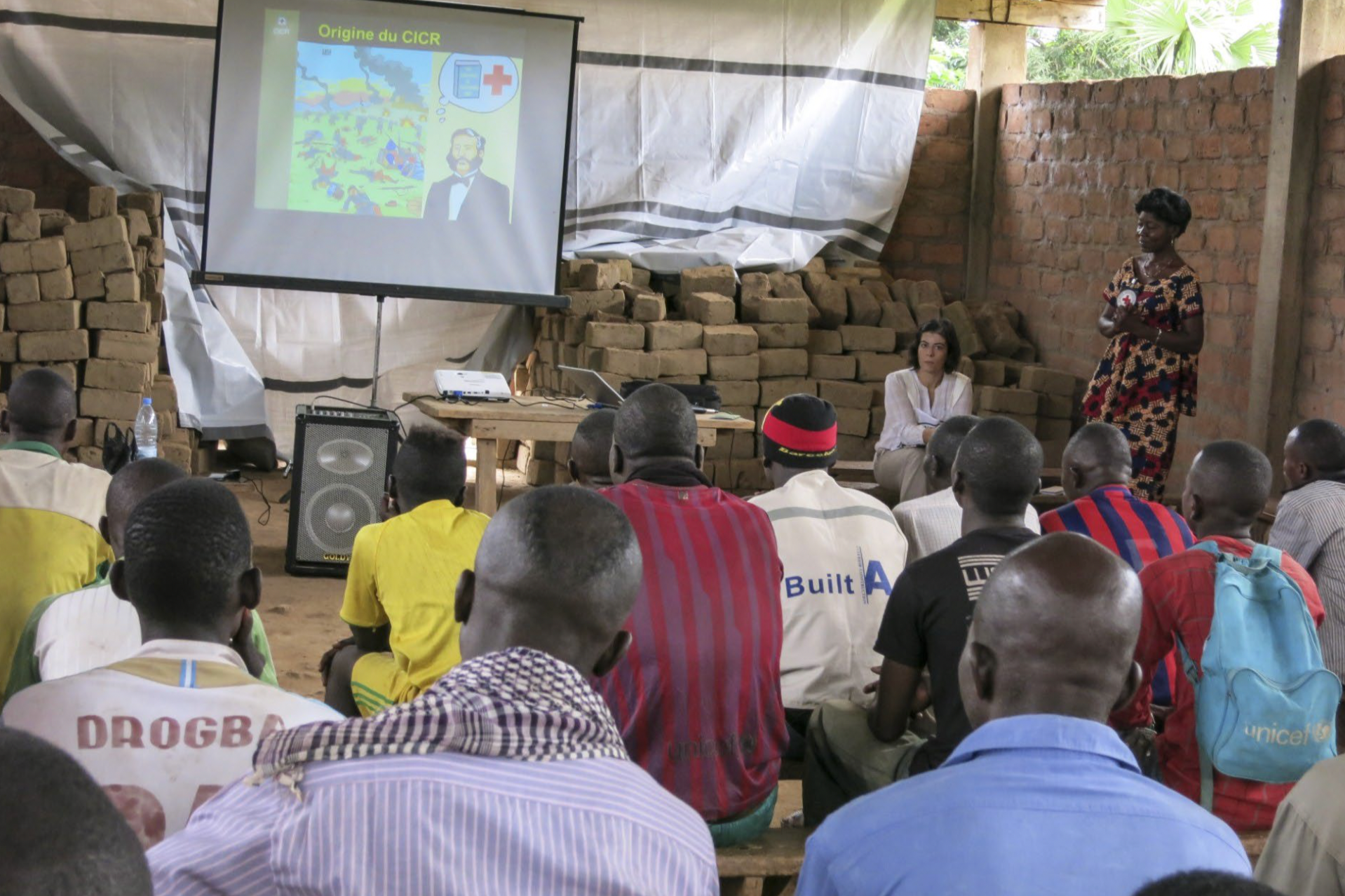
Linking humanitarian diplomacy and peace
This research report explores evidence from humanitarian and peace process support in southern Thailand and the Central African Republic, and explores whether and how humanitarian diplomacy with armed groups can advance peace without undermining humanitarian principles.

The missing piece in the humanitarian reset: Humanitarian diplomacy with armed groups
The UN's Humanitarian Reset calls for 'enhanced humanitarian diplomacy' but offers few specifics on what that means. Drawing on frontline evidence from southern Thailand and the Central African Republic, this piece argues that sustained, principled engagement with armed groups can build trust, reduce violence, and open space for broader political dialogue — but only if donors fund it as a core function, not an afterthought.
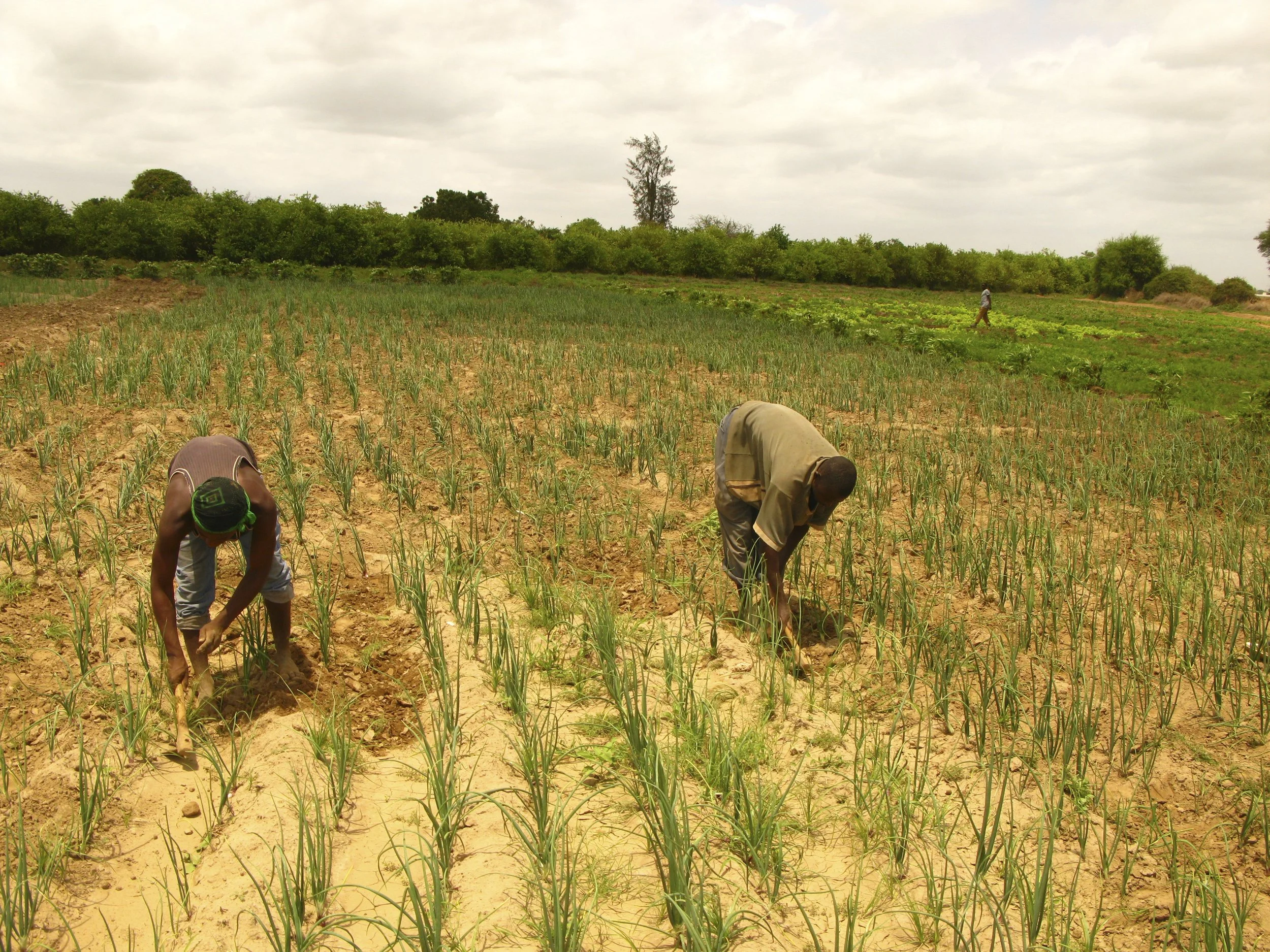
Al-Shabaab, Food Insecurity, Humanitarian Access and Protection of Civilians in Somalia
With 6.5 million Somalis facing acute food insecurity and Al-Shabaab controlling or contesting large parts of south-central Somalia, the gap between humanitarian need and humanitarian response has never been more consequential. This paper examines why the formal aid system has largely failed to reach populations in Al-Shabaab areas, and argues that the primary driver is not the group's behaviour but the system's own operational choices.
Drawing on interviews with humanitarian actors, donors and individuals close to Al-Shabaab, the paper traces how counter-terrorism frameworks, risk-averse funding models and alignment with the Somali government have entrenched an assumption that access is impossible — one the evidence does not support. It sets out a practical path forward: restoring perceived neutrality, resourcing access as a core function, and building the strategic humanitarian diplomacy needed to support the frontline engagement that is already, quietly, happening.
Grassroots Deals, Not International Processes, Offer South Sudan Its Best Hope for Peace
South Sudan's civil war has left rebels without arms or foreign backers, and its 2018 peace deal in tatters. Joshua Craze argues that the Nuer white armies — democratic, community-rooted militias — offer a more durable foundation for peace than the internationally brokered processes that enriched Juba's elite.
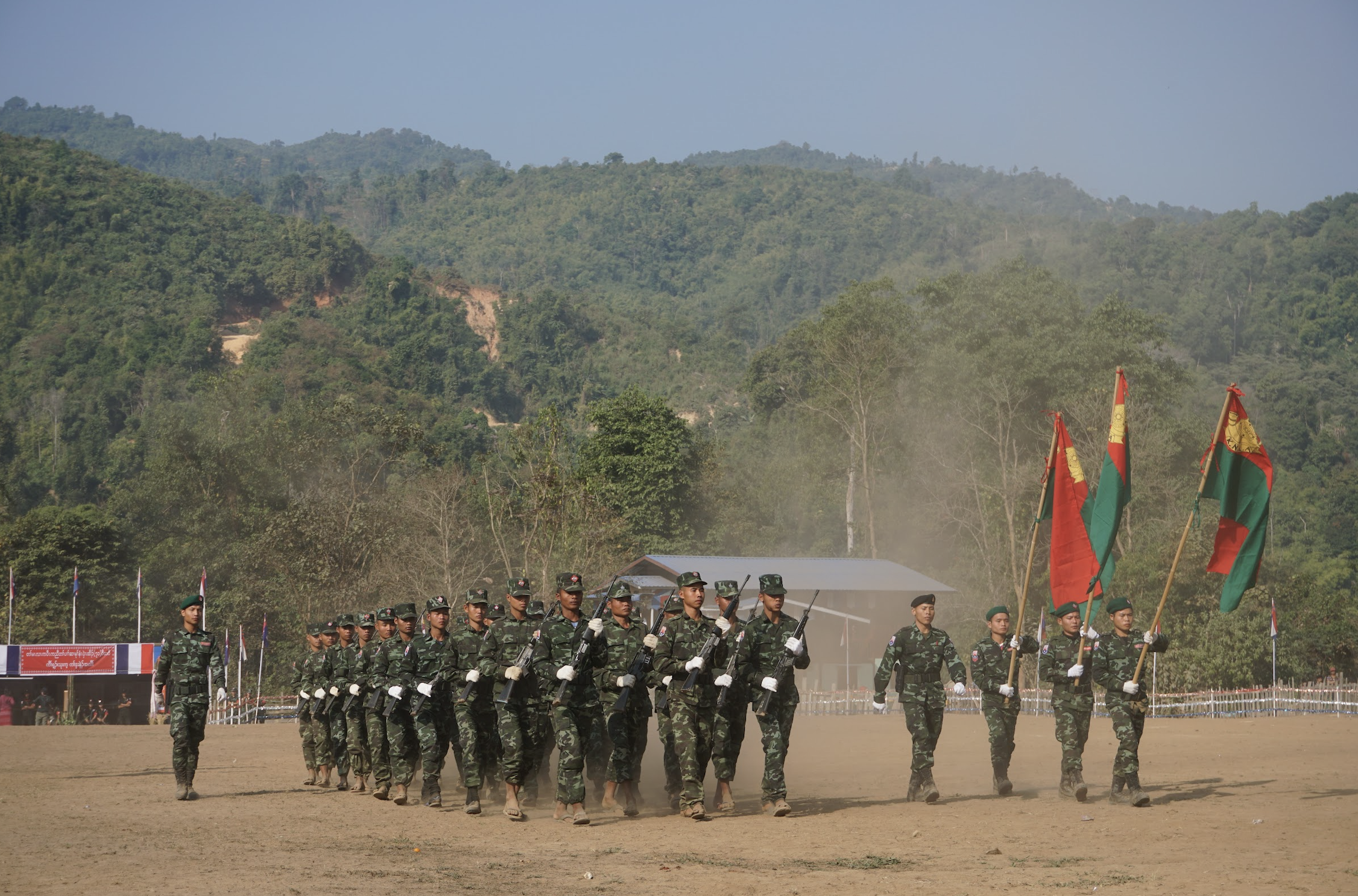
Fighting Under the Drones: PDFs and Myanmar’s War of Endurance
This briefing note shows Myanmar’s conflict entering a critical phase, where resistance forces face growing pressure but continue to adapt, even as the war becomes a prolonged and uncertain contest of endurance.

War over Checkpoints: Nine theses on roadblocks and the politics of circulation in conflict-affected borderlands
Drawing on research in Chad, DR Congo, Libya, Myanmar, South Sudan, West Africa and Yemen, this Working Paper challenges narrow readings of roadblocks as security devices or sites of corruption. Instead, it conceptualises them as politically and economically generative nodes through which authority is exercised, rents are extracted and redistributed, markets are shaped, and conflict is financed.